
Blog

Communicable Diseases

Life Cycle and Morphology of Hepatitis B: 4 Critical Facts

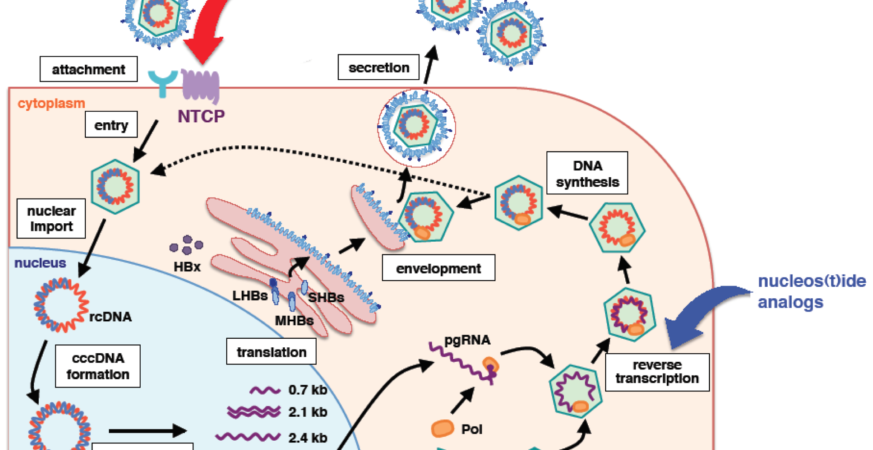
The hepatitis B virus (HBV) has a complex life cycle that mainly takes place inside liver cells (hepatocytes). It involves attachment and entry into the cell, formation of a stable “template” DNA, RNA-mediated replication using reverse transcription, assembly of new virus particles, and release from the cell. What Is the Life Cycle of the Hepatitis […]

Communicable Diseases

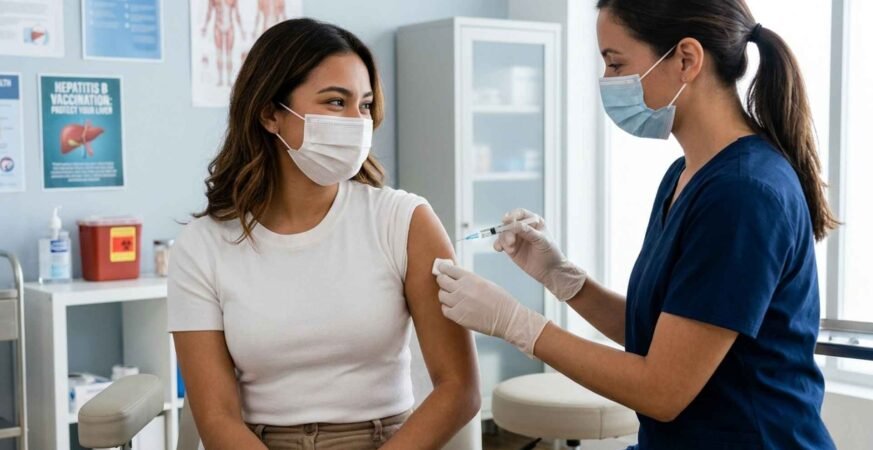
Hepatitis B Vaccination Schedule: 5 Critical Facts You Need

WHO’s latest hepatitis B vaccination guidelines emphasize universal infant immunization to prevent transmission. The most recent position paper, updated in 2024, prioritizes timely birth dosing and catch-up vaccination. All infants receive the first monovalent HBV vaccine dose within 24 hours of birth, even if they are premature or low birth weight. This is followed by […]

Communicable Diseases

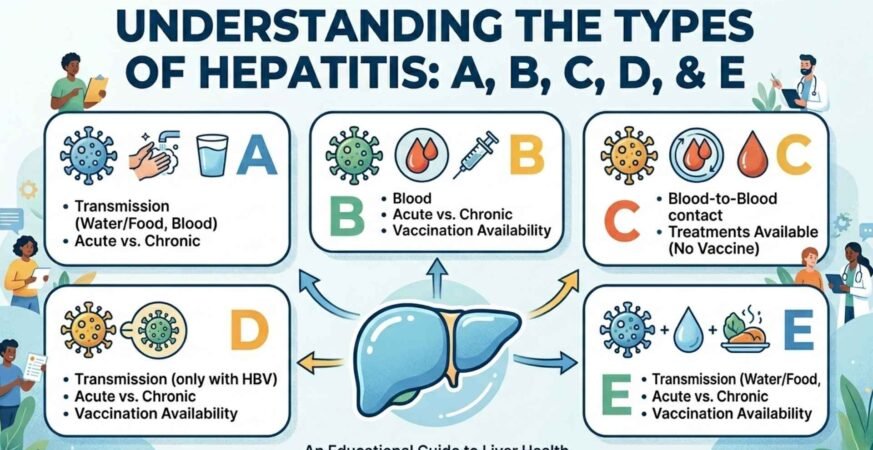
Types of Hepatitis: 5 Amazing & Critical Health Facts

When exploring the various types of hepatitis, it becomes clear that viral hepatitis is a widespread liver inflammation categorized into five primary types: A, B, C, D, and E. While types A and E typically spread through contaminated food and water causing acute illness, types B, C, and D are transmitted via infected bodily fluids […]

Public Health & Epidemics

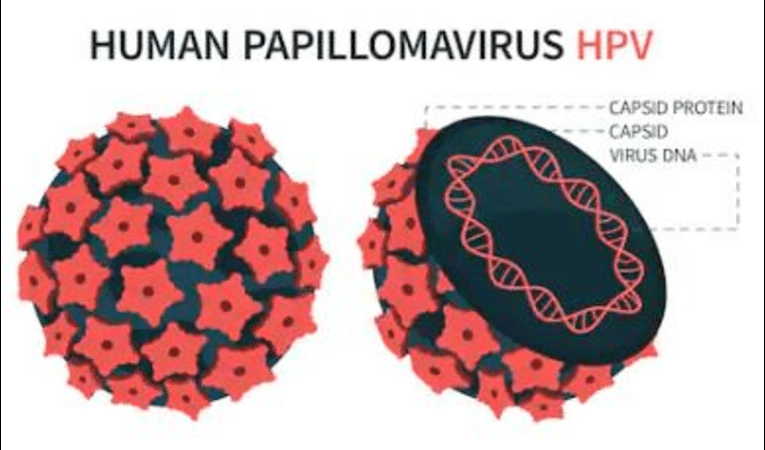
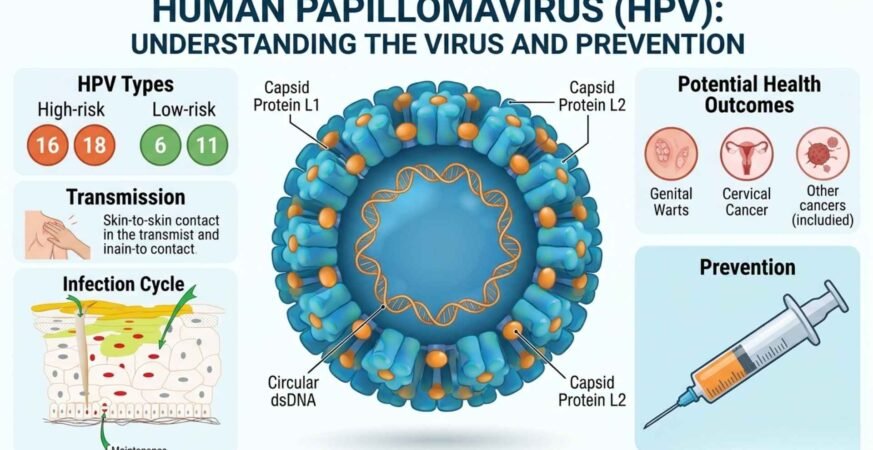
HPV Life Cycle and Structure: 5 Critical Stages

Structure and Life Cycle Of Human Papillomavirus (HPV) Human papillomavirus (HPV) has a small, non-enveloped, icosahedral DNA structure from the Papillomaviridae family. It measures 52-55 nm in diameter and consists of a protein capsid surrounding a circular, double-stranded DNA genome of about 7500 to 8000 base pairs. It primarily infects epithelial cells in skin and […]

Public Health & Epidemics

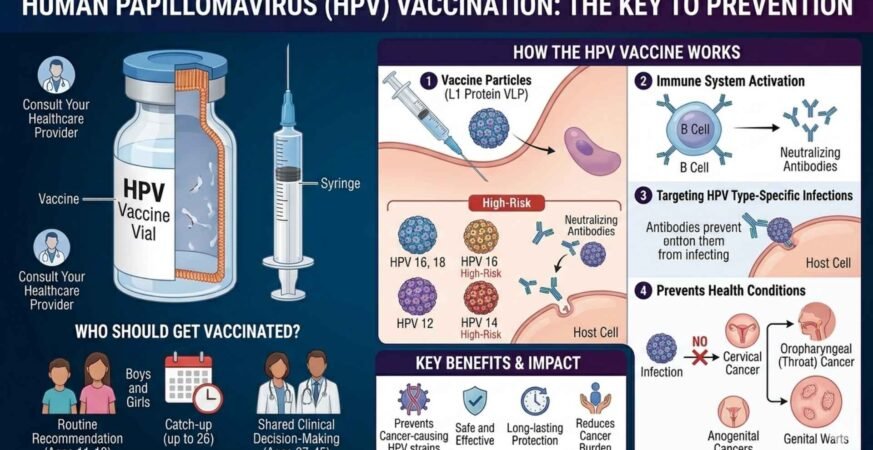
HPV Vaccination: 7 Essential Facts

HPV Vaccination. HPV Vaccination Types and Recommended Ages Main HPV Vaccine Types Globally, three main HPV vaccines are used; all are non-live, recombinant vaccines given as injections (usually in the arm). Bivalent (2-valent) HPV Vaccine Protects against HPV 16 and 18 (high-risk types causing most cervical cancers). Quadrivalent HPV Vaccine (Gardasil-type) Protects against HPV 6, […]

Public Health & Epidemics

10 Proven Facts About Human Papillomavirus (HPV)

Human papillomavirus (HPV) is a group of more than 100 related DNA viruses that infect the skin and mucous membranes, primarily causing warts and some types of cancers. It is the most common sexually transmitted infection worldwide. HPV is classified into low-risk (non-cancerous) and high-risk (oncogenic) types based on their potential to cause cancer. It […]

Public Health & Epidemics

Life Cycle of Herpes Simplex Virus (HSV)

The life cycle of herpes simplex virus (HSV) is generally divided into four main phases: attachment and entry, lytic (productive) replication, establishment of latency, and reactivation. 📌 Key Takeaways: Life Cycle of Herpes Simplex Virus Attachment and Entry HSV first binds to receptors on the surface of host epithelial cells, e.g., oral or genital mucosa, […]

Public Health & Epidemics

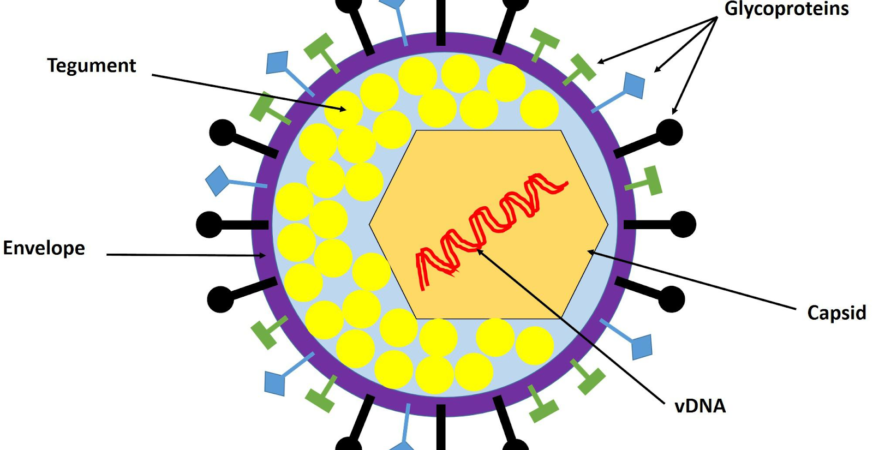
HSV Structure: 5 Perfect Facts to Easily Understand Layers

Herpes Simplex Virus (HSV) has a multilayered enveloped structure typical of herpesviruses, with a double-stranded DNA genome packaged inside an icosahedral capsid, surrounded by a tegument and then by a lipid envelope. It features a large, enveloped icosahedral virion about 150 nm to 200 nm in diameter. Structural Organization of Herpes Simplex Virus Four Main […]

Public Health & Epidemics

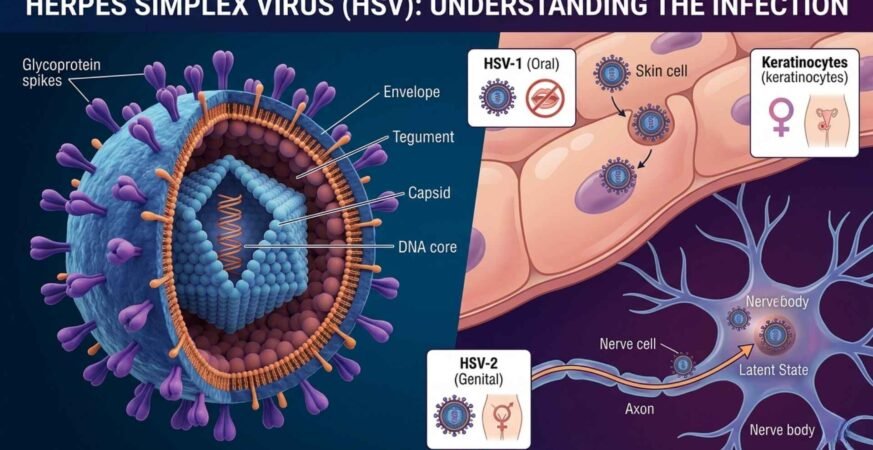
Herpes Simplex Virus (HSV)

Herpes simplex virus (HSV) is a common, contagious virus from the herpesviridae family that causes lifelong infections, primarily oral or genital sores. Definition HSV is a double-stranded DNA virus that infects humans, establishing latency in nerve cells after initial infection and reactivating periodically. Causes It spreads via direct skin-to-skin contact, including kissing, oral sex, or […]

Public Health & Epidemics

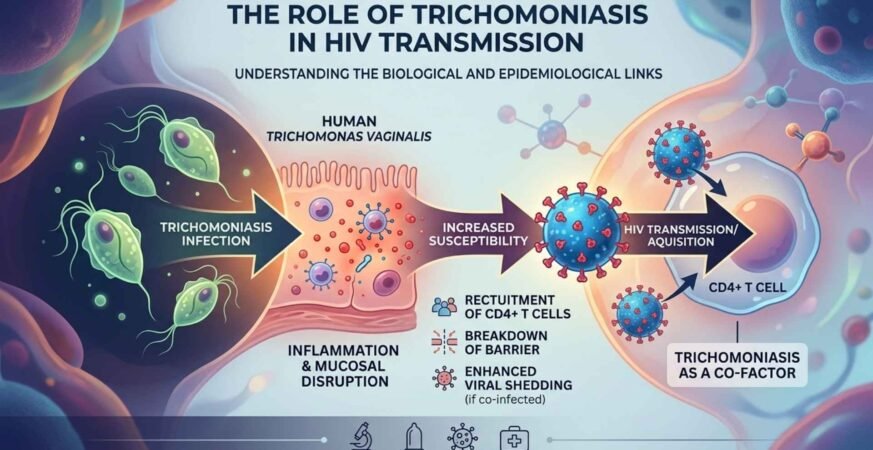
Role of Trichomoniasis in HIV Transmission.

How Does Trichomoniasis Increase HIV Transmission Risk How does Trichomoniasis increase HIV transmission risk? Trichomoniasis heightens HIV transmission risk by causing genital inflammation and mucosal damage, creating easier entry points for the virus during sexual contact. Studies quantify this as roughly a 1.5-fold increase in HIV acquisition odds. Biological Mechanisms The parasite induces inflammation, drawing […]

Health Care Guruji is an educational health information website that explains medical and public-health topics

Email Us: healthcareguruji@gmail.com

Health Care Guruji  @2026. All Rights Reserved.