


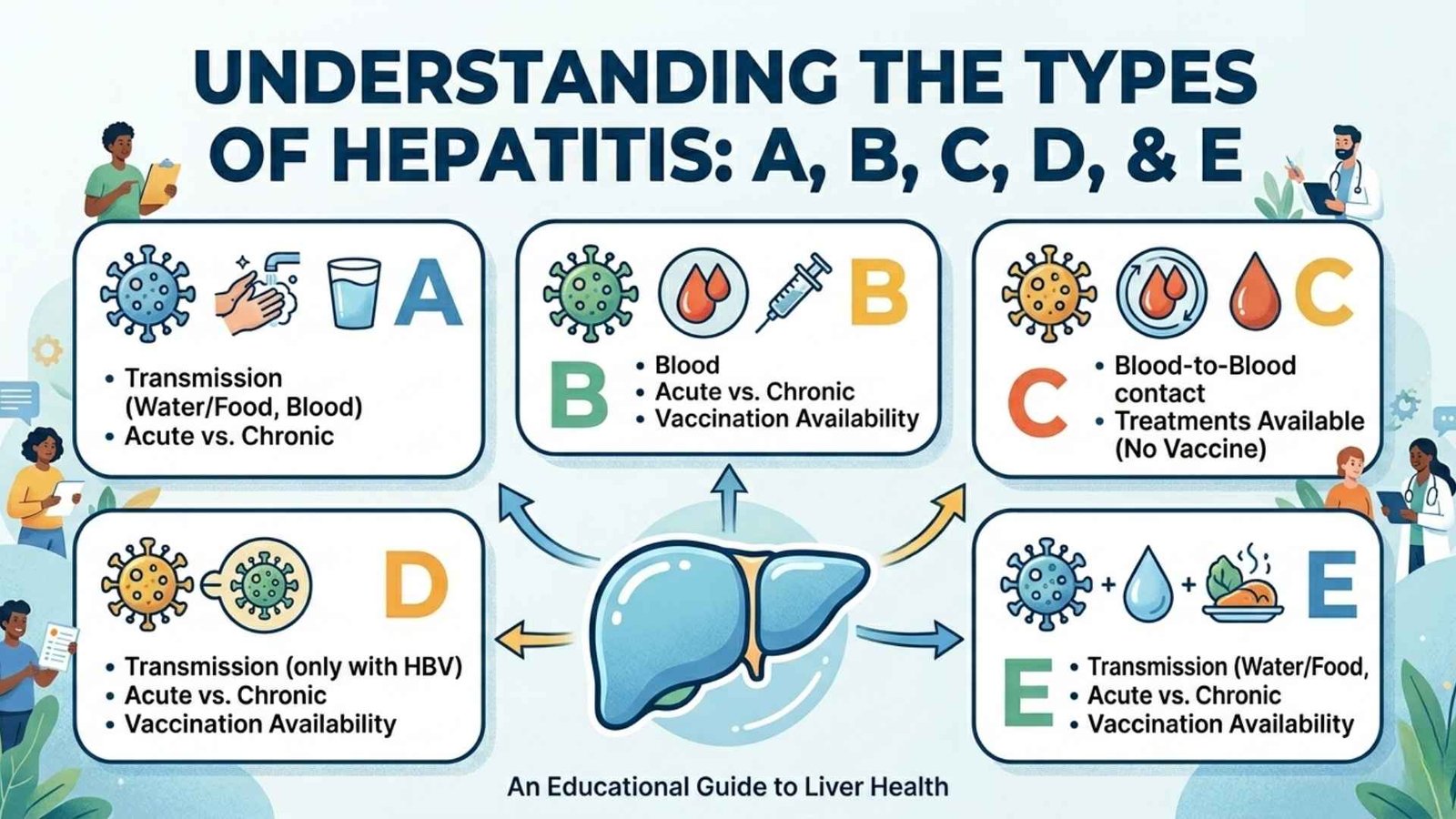
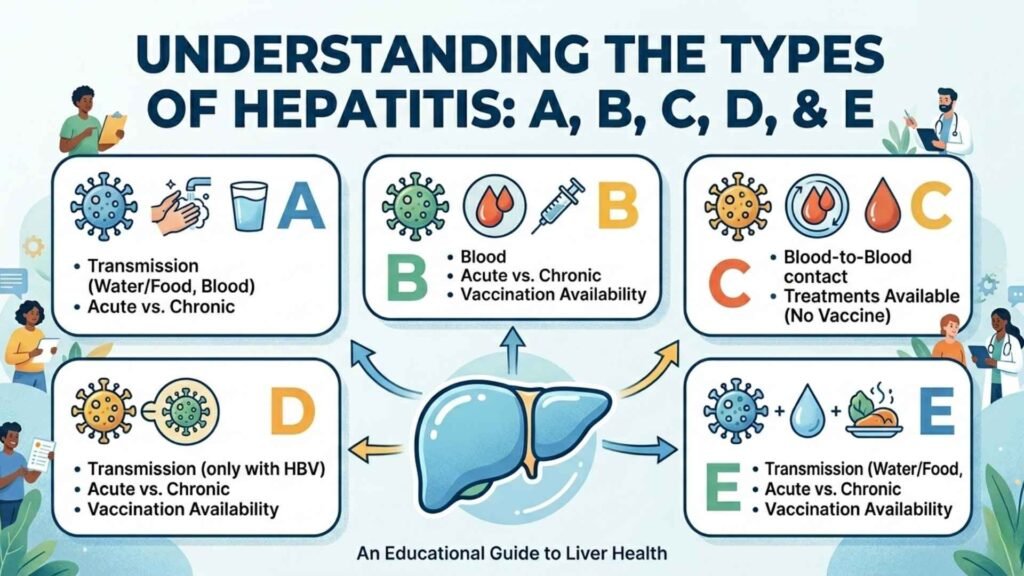
When exploring the various types of hepatitis, it becomes clear that viral hepatitis is a widespread liver inflammation categorized into five primary types: A, B, C, D, and E. While types A and E typically spread through contaminated food and water causing acute illness, types B, C, and D are transmitted via infected bodily fluids and can lead to life-threatening chronic conditions like cirrhosis and liver cancer.
Hepatitis is an inflammation of the liver. The condition can be self-limiting or can progress to fibrosis (scarring), cirrhosis, or liver cancer. Hepatitis viruses are the most common cause of hepatitis in the world, but other infections, toxic substances (e.g., alcohol, certain drugs), and autoimmune diseases can also cause hepatitis.
There are mainly five types of viral hepatitis based on the virus that causes it. These are A, B, C, D, and E. These five main types are of greatest concern because of the burden of illness and death they cause and the potential for outbreaks and epidemic spread. In particular, types B and C lead to chronic disease in hundreds of millions of people and, together, are the most common cause of liver cirrhosis and cancer.
What Are the Five Main Types of Viral Hepatitis?
Hepatitis A Virus (HAV)
- Hepatitis A is caused by the Hepatitis A virus (HAV). Hepatitis A Virus (HAV) is present in the feces of infected persons/people and is most often transmitted through the consumption of contaminated water or food. Certain sex practices can also spread HAV.
- Infections are in many cases mild, with most people making a full recovery and remaining immune from further HAV infections.
- HAV infections can also be severe and life-threatening. Most people in areas of the world with poor sanitation have been infected with the hepatitis A virus.
- Vaccination is available for hepatitis A. According to the report published by the Ministry of Health and Family Welfare, HAV is responsible for 10% to 30% of acute hepatitis (short-term) and 5% to 15% of acute liver failure cases in India.
Hepatitis B Virus (HBV)
- Hepatitis B virus (HBV) is caused by the hepatitis B virus and transmitted through exposure to infective blood, semen, and other body fluids. HBV can be transmitted from infected mothers to infants at the time of birth or from family members to infants in early childhood.
- Transmission may also occur through blood transfusion of HBV-contaminated blood and blood products, contaminated injections during medical emergencies, and sharing needles while taking drugs. are also leading causes of hepatitis B.
- It also poses a risk to healthcare workers who sustain accidental needle-stick injuries while caring for infected HBV patients. Safe and effective vaccines are available to prevent HBV.
Hepatitis C Virus (HCV)
- Hepatitis C Virus (HCV) is caused by the hepatitis C virus and mostly transmitted through exposure to infective blood. This may happen through transfusions of HCV-contaminated blood and blood products, contaminated injections during medical emergencies, and sharing needles while taking drugs.
- Sexual transmission (intercourse) is also possible but is much less common. Hepatitis C can lead to serious liver damage.
- The difference between hepatitis B & C is that the former can be transmitted through bodily fluids, while the latter requires blood-to-blood contact. There is no vaccine for HCV.
- Hepatitis C is the most dangerous because it can cause severe liver damage, and no vaccine is available for it.
Hepatitis D Virus (HDV)
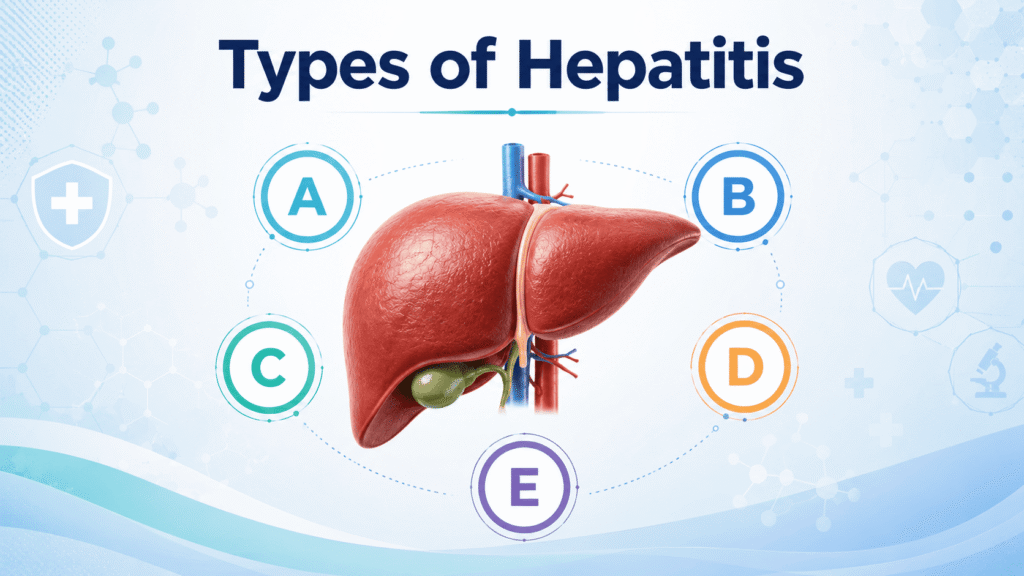
- Hepatitis D virus (HDV) is the cause behind hepatitis D, and infections occur only in those who are infected with HBV. The dual infection of HDV and HBV can result in a more serious disease and worse outcome.
- Hepatitis B vaccines provide protection from HDV infection.
Hepatitis E Virus (HEV)
- The Hepatitis E Virus (HEV) is caused by the Hepatitis E virus and mostly transmitted through the consumption of contaminated water or food. The disease is acute, and its effects on pregnant women are very serious.
- Eating undercooked pork or shellfish can also be transmitted. Hepatitis A, B, and C are the most common infections.
- HEV is a common cause of hepatitis outbreaks in developing parts of the world and is increasingly recognized as an important cause of disease in developed countries.
- Safe and effective vaccines to prevent HEV infection have been developed but are not widely available.
Hepatitis-B
Hepatitis B is a viral infection that inflames the liver, potentially leading to acute or chronic disease. It spreads through blood and body fluids.
Definition
Hepatitis B is caused by the hepatitis B virus (HBV), resulting in liver inflammation. Acute cases last under six months, while chronic infections persist longer, raising risks of cirrhosis and liver cancer.
Causes
HBV transmits via infected blood, semen, or other fluids—through unprotected sex, needle sharing, mother-to-child transmission during birth, or contaminated medical tools. It does not spread through casual contact.
What Is the Difference Between Acute and Chronic Hepatitis B?
Acute
A short-term infection; most adults clear it naturally.
Chronic
Long-term, more common in infants; leads to ongoing liver damage.
What Are the Common Warning Signs and Symptoms of Hepatitis?
Many cases show no symptoms. Common signs include fatigue, jaundice (yellow skin/eyes), dark urine, abdominal pain, nausea, joint pain, pale stools, and fever, appearing 2 to 5 months post-infection.
People affected with chronic forms of hepatitis do not show symptoms until the damage reaches the liver.
How Is Hepatitis Diagnosed by Medical Experts?
- Hepatitis can be diagnosed in many ways. Diagnosis starts with patient history and physical exam.
- Blood tests detect HBV markers like HBsAg (surface antigen) to confirm active infection.
Diagnostic Methods
- Serological tests identify antigens/antibodies like HBsAg, anti-HBc IgM, and HBeAg.
- Molecular assays quantify viral load, genotype, and drug resistance.
- Liver biopsy to confirm liver infection and quantify the exact amount of damage.
What Are the Best Ways to Prevent Hepatitis Infection?
- Prevention of hepatitis requires a range of lifestyle modifications and medical procedures. These methods include:
- The hepatitis B vaccine is highly effective, given in three doses starting at birth.
- Safe sex, sterile needles, and screening blood products also prevent spread.
- High sanitation levels
- Eating nutrient-rich foods for a healthy liver
- Safe sexual practices by using condoms to prevent the exchange of body fluids.
- Taking precautions when handling blood or body fluids.
- Avoiding sharing of injections/needles.
Control Measures
- Screen pregnant women, provide post-exposure prophylaxis (vaccine + HBIG), and ensure infection control in healthcare.
- Early case detection reduces transmission.
Treatment
- Acute cases often need supportive care.
- Chronic HBV uses antivirals like tenofovir or interferon; liver transplant is for end-stage disease.
Public Awareness
- Campaigns educate on transmission, vaccination, and screening.
- Low awareness in communities hinders prevention, especially among caregivers.
Community Engagement
- Health fairs, workshops, and partnerships with local groups promote testing and vaccination.
- Integrating HBV talks into routine care boosts participation.
IEC Materials
- Brochures, posters, digital content, and videos explain risks, symptoms, and prevention.
- Tailored for high-risk groups and hotspots.
Role of Public Health Department
Develops protocols, funds awareness, ensures vaccine supply, monitors surveillance, and manages outbreaks at all healthcare levels.
Magnitude of Hepatitis B
Globally, 296 million live with chronic HBV; it causes ~1 million deaths yearly from complications like liver cancer.
Global Burden
254-296 million chronic cases; high in Africa/Asia.
Leads to cirrhosis and hepatocellular carcinoma.
Burden in India
40 million carriers (3% to 4% prevalence), contributing 10% to 15% of global cases.
Higher in tribes, 15% to 15% develop severe disease.
Burden in Maharashtra
Elevated in industrial zones and blood donors, tribal areas show higher rates, though state-specific data is limited.
Risk in India and Maharashtra
India faces high transmission from births and unsafe injections; Maharashtra risks it from migration and healthcare settings.
Vaccination gaps amplify threats.
How Do We Differentiate Between the Different Types of Hepatitis?
- Hepatitis A and E are caused by contaminated food and water, while Hepatitis B, C, and D involve contact with bodily fluids like blood, saliva, and semen and the sharing of needles.
- usands of genome copies via repeated initiations.
- Partitioning: E2 binds host chromosomes to segregate episomes to daughter cells.