

Understanding transmission biology at an individual level is a key component of intervention strategies that target the spread of malaria parasites from human to mosquito. Gametocytes are specialized sexual stages of the malaria parasite life cycle developed during evolution to achieve crucial steps in transmission. As sexual differentiation and transmission are tightly linked, a deeper understanding of molecular and cellular events defining this relationship is essential to combat malaria. Recent advances in the field are gradually revealing mechanisms underlying sexual commitment, gametocyte sequestration, and dynamics of transmissible stages; however, key questions on fundamental gametocyte biology still remain. Moreover, species-specific variation between Plasmodium falciparum and Plasmodium vivax transmission dynamics poses another significant challenge for worldwide malaria elimination efforts. Here, we review the biology of transmission stages, highlighting numerous factors influencing the development and dynamics of gametocytes within the host and determinants of human infectiousness.
📌 Key Takeaways: Malaria Transmission Biology
- The Vector: Malaria is exclusively transmitted to humans through the bites of infected female Anopheles mosquitoes carrying Plasmodium parasites.
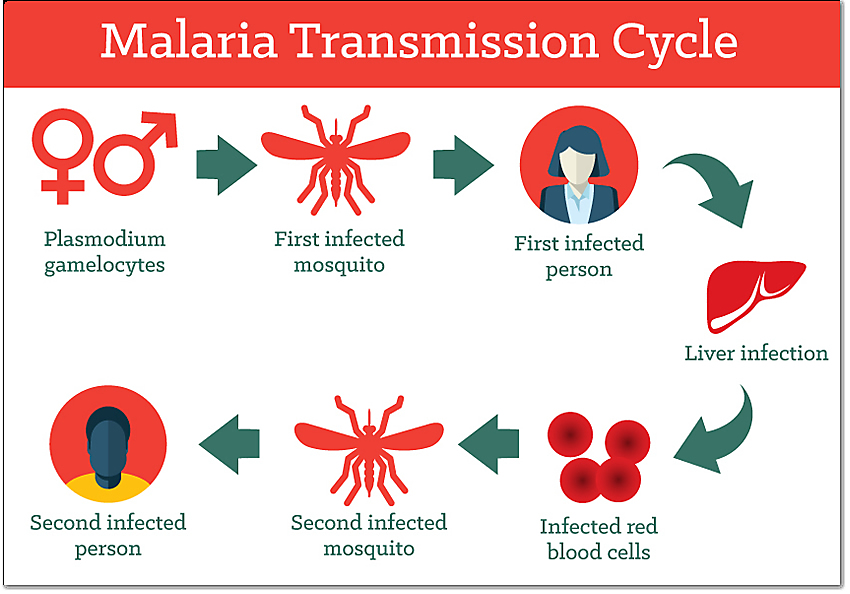
- Sexual Stages: Gametocytes are specialized sexual stages of the parasite developed in the human host that are essential for infecting the mosquito vector.
- Non-Contagious Nature: The disease is not contagious and cannot spread via physical contact or saliva; it requires direct blood pathway transmission.
- Alternative Routes: Aside from mosquito vectors, transmission can occur through blood transfusions, organ transplants, or from an infected mother to her child during birth.
How Is Malaria Transmitted to Humans?
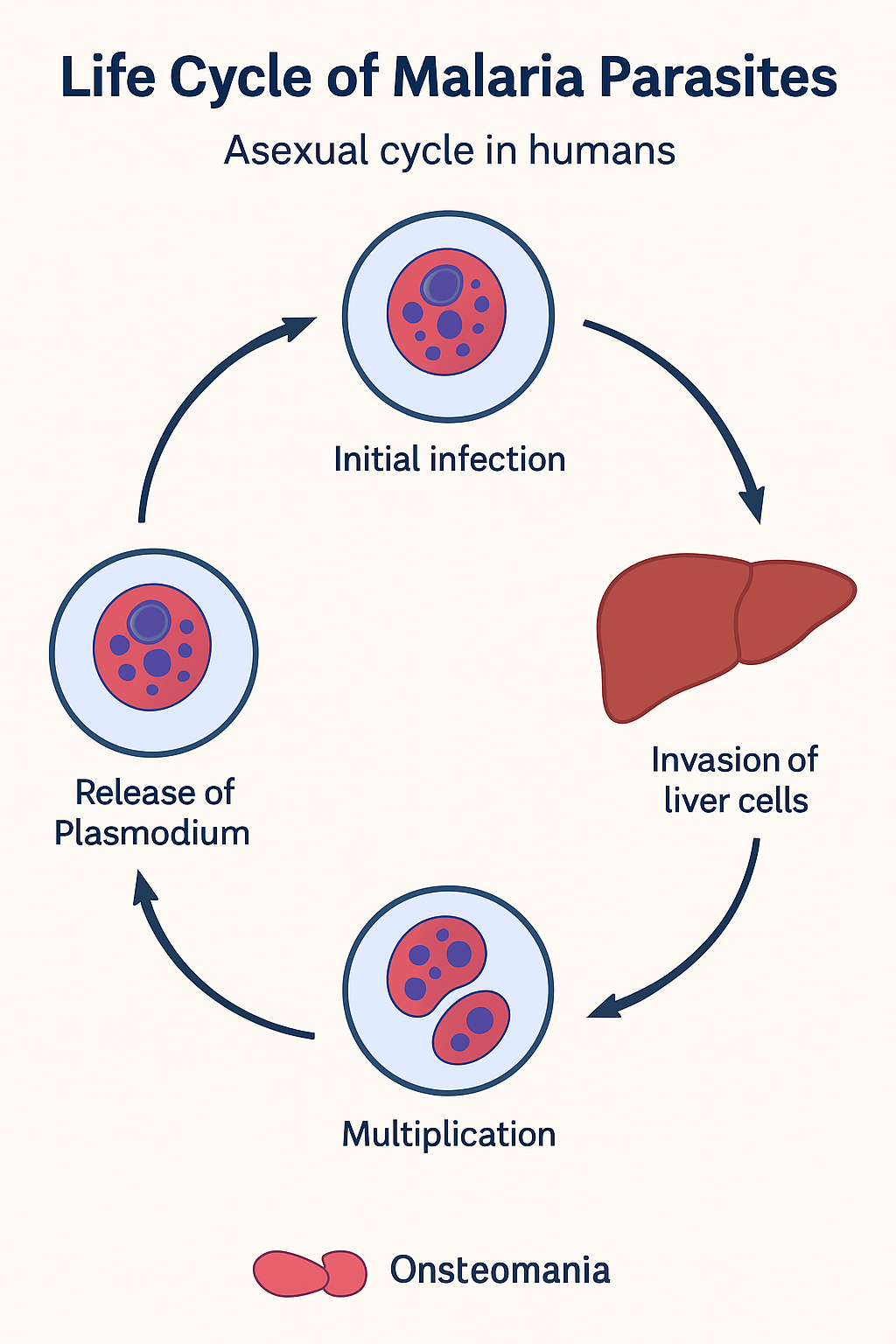
Malaria is transmitted by infected mosquitoes. When you are bitten by a mosquito that carries the malaria parasite, the parasite enters your bloodstream and is then carried to your liver, where it multiplies.
If a mosquito bites you while you have malaria, it will get infected, and it can then transmit the parasite to the next person it bites.
In order to prevent catching the disease, you need to avoid insect bites and take antimalarial tablets.
Can You Contract Malaria Directly From Another Person?
Malaria is not contagious, and you can’t get it from physical contact with someone who has the infection. The malaria parasite is not in an infected person’s saliva, and it is not spread from one person to another via saliva.
The only way you can get malaria from a person is through blood transfusions or organ transplants. It is also possible for mothers to pass the parasite on to their baby during childbirth.