







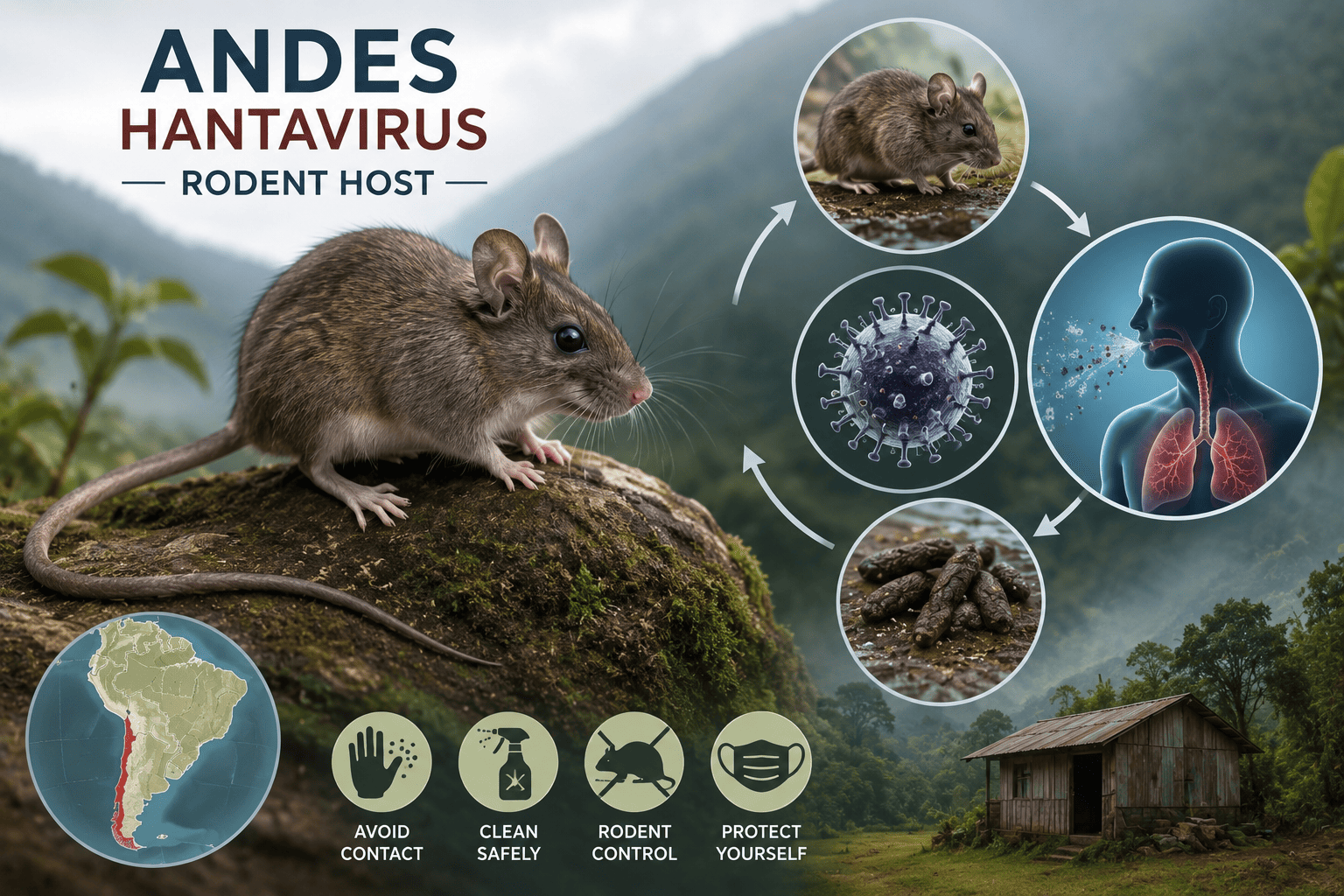
While the Andes Hantavirus is natively carried by South American rodents like the long-tailed pygmy rice rat, its unique capability for person-to-person transmission makes global surveillance crucial. Understanding its transmission risks and identifying native Indian rodent strains is essential for high-risk workers worldwide.
Andes hantavirus is a rodent-borne virus. Its main reservoir host is the long-tailed pygmy rice rat, Oligoryzomys longicaudatus, which is the principal reservoir in South America. It has also been detected in other small wild rodents, including the long-haired grass mouse (Abrothrix longipilis) and some other sigmodontine rodents.
The virus is maintained in nature within infected rodents and usually does not cause serious illness in them. Humans get infected mainly by inhaling virus particles from the urine, feces, or saliva of infected rodents. Infection can also occur after direct contact with contaminated materials. Unlike most hantaviruses, Andes virus has also shown person-to-person transmission in some outbreaks.
The disease caused in humans is called “hantavirus pulmonary syndrome.” It can start with fever, muscle pain, and weakness and may rapidly progress to severe breathing difficulty. Rodent control and avoiding contact with rodent excreta are important preventive measures.
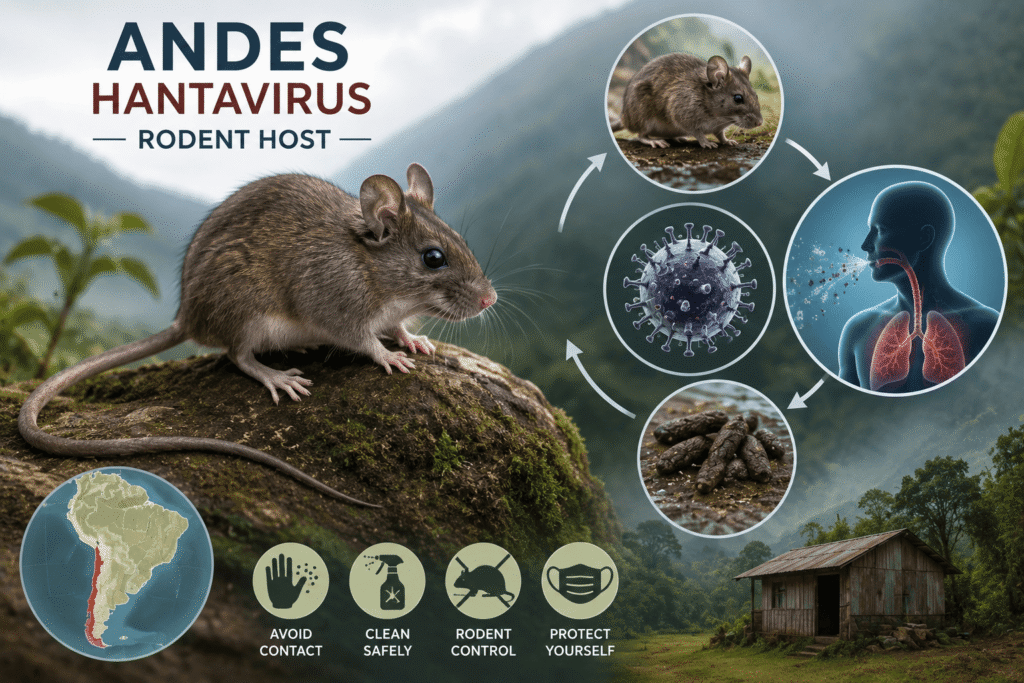
Where is the Andes Hantavirus Rodent Host Found?
Oligoryzomys longicaudatus is commonly found in southern South America, especially Chile, and western south-central and southern Argentina. It is most often associated with forests, bushy areas, scrublands, and moist habitats near water, and in Patagonia it may also occur in clearings and along road verges.
Its range extends from northern Chile and northwestern Argentina down to Patagonia, with reports from Andean and temperate forest habitats. Because it is the main reservoir for Andes virus, its presence matters most in rural and semi-rural areas where people may come into contact with rodent droppings or urine.
How Do You Identify the Long-Tailed Pygmy Rice Rat?
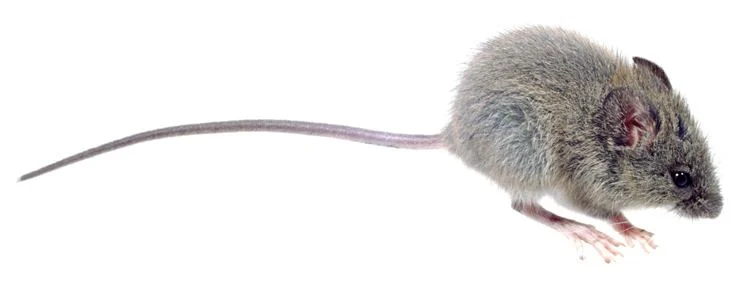
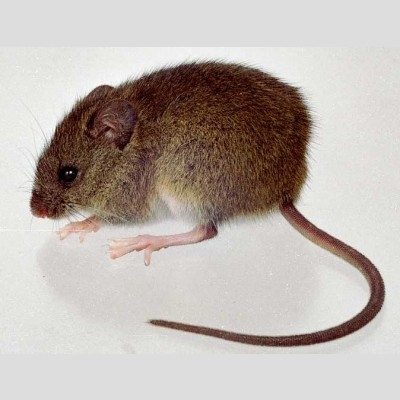
The long-tailed pygmy rice rat (Oligoryzomys longicaudatus) is a small wild rodent from southern South America, especially Chile and southern / western Argentina. It is usually identified by its very long, thin tail, which is longer than the head and body length, plus a pointed snout, rounded ears, and small hind feet.
Features
- Small body size, usually around 9 to 11 cm long, with a tail often about as long as or longer than the body.
- Fur is typically buff to reddish-brown on the back and greyish-white underneath.
- Tail is dark above and paler below, with sparse hair.
- It is mostly terrestrial and nocturnal, though it can climb well.
Living Places
It is common in forests, bushy areas, scrublands, and moist habitats near water, and in Patagonia it may be found in clearings and road verges. Because it is the main reservoir for the Andes virus, people should avoid contact with its droppings, urine, and nesting sites.
A simple field clue is a small brown wild mouse + very long tail + pointed face + round ears.
Is the Andes Hantavirus Found Outside South America?
Andes virus rodents are found primarily in South America, not outside of it. Related rodent reservoirs and Andes-like variants have been reported in other parts of South America, such as Peru, but still within the Americas. The CDC notes that rodents in the United States do not carry the Andes virus.
What Are the Travel Risks Associated with Andes Hantavirus?
A case can be imported into another country by a traveler, but that is different from local rodent carriage outside South America. So the virus may appear in people elsewhere, but its natural rodent reservoir is still South America.
Who is Most at Risk for Hantavirus in India?
In India, the main high-risk groups for hantavirus are people with frequent rodent exposure, especially those who live or work in rodent-infested settings. This includes warehouse workers; rodent trappers or tribal communities engaged in rat-catching , such as the Irula community studied in Tamil Nadu; people cleaning rodent-contaminated areas; farmers and agriculture workers who handle grain, barns, or sheds where rodents are common; and residents of poorly sanitized rural or storage environments.
Which Rodent Species Carry Hantavirus in India?
In India, the rodents most often linked with hantavirus evidence are bandicoot rats (Bandicota bengalensis), black rats (Rattus rattus), and house mice (Mus musculus). Some studies from South India also found hantavirus-reactive antibodies in these small mammals and detected viral RNA in a bandicoot rat.
India also has a unique hantavirus-related finding: Thottapalayam virus was first isolated from the Asian house shrew (Suncus murinus), so not all Indian hantavirus-like viruses are rodent-borne.
Which Hantavirus Strains Have Been Detected in India?
The hantavirus strains documented in Indian rodents are not the same as the Andes strains. The evidence from South India points mainly to hantavirus-reactive infections in bandicoot rats and black rats, with viral RNA detected in a bandicoot rat; the studies also note house mice and a shrew in the sampled small mammals.
Currently, studies from India have detected evidence of several hantavirus (orthohantavirus) strains in wild rodent populations, particularly in southern India, such as Vellore (Tamil Nadu).
Major Strains Implicated
Seoul virus (SEO-V)
Serological and molecular evidence suggests circulation in Indian rodents; it is associated worldwide with hemorrhagic fever with renal syndrome (HFRS) and is usually carried by Rattus species, e.g., black rats.
Hantaan-like virus (HTNV-related)
Indirect immunofluorescence and molecular screening in indigenous rodents (bandicoot rats, black rats, and house mice) showed reactivity or partial sequences related to Hantaan or HTNV-group viruses.
Thailand virus (THAIV)-like strains
Western blot and antigen-based assays in South India detected antibodies in rodents that cross-react with the Thailand virus antigen, suggesting a related or closely similar hantavirus strain circulates locally.
Key Rodent Host in India
Bandicoot rats (Bandicota bengalensis)
These showed the strongest evidence in the Vellore study, including a detected partial S-segment sequence.
Black rats (Rattus rattus)
These had hantavirus-reactive antibodies in the same study.
House mice (Mus musculus)
Mentioned as reservoir hosts in Indian ecological reports, though the strongest direct evidence in that study was in rats.
Asian house shrew (Suncus murinus)
This is important because the Thottapalayam virus, the only indigenous hantavirus-like isolate first reported from India, was isolated from this shrew rather than from a rodent.
Andes Hantavirus—Conclusion
So, in India, the hantavirus picture is mostly rodent-associated serological evidence in bandicoot rats and black rats, plus the distinct shrew-borne Thottapalayam virus. These findings support ongoing surveillance in rodents and small mammals, especially in South India.
More large-scale molecular surveys across different Indian regions and rodent species are needed to precisely map circulating hantavirus strains and refine risk assessment for rodent-exposed populations.
Can Andes Hantavirus spread person-to-person?
Yes, unlike most hantaviruses, it has shown rare person-to-person transmission
Is the Andes virus found in India?
No, the specific Andes strain is native to South America, but other strains like Seoul and Thottapalayam circulate in India