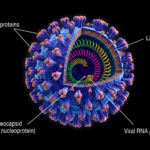

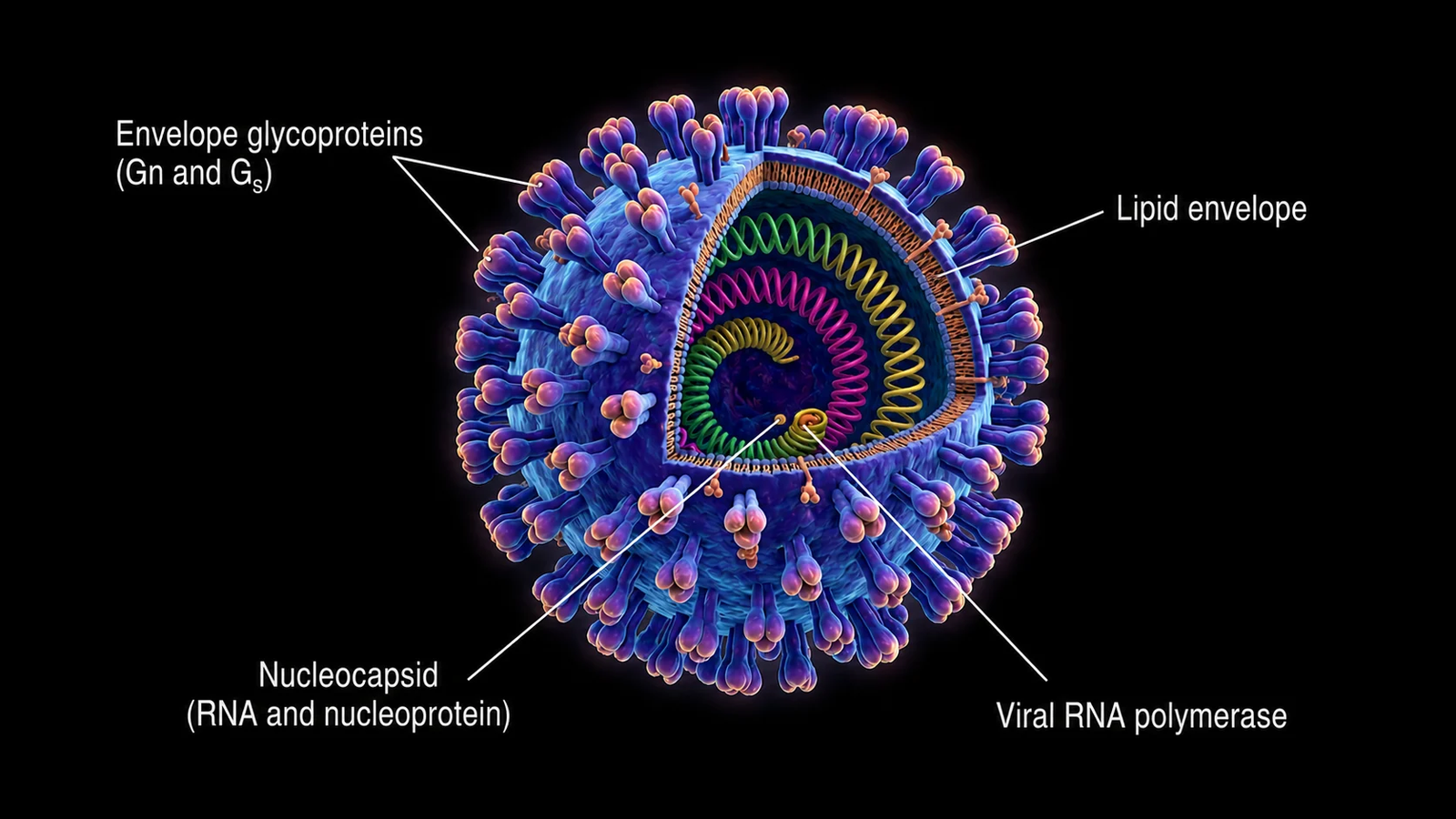

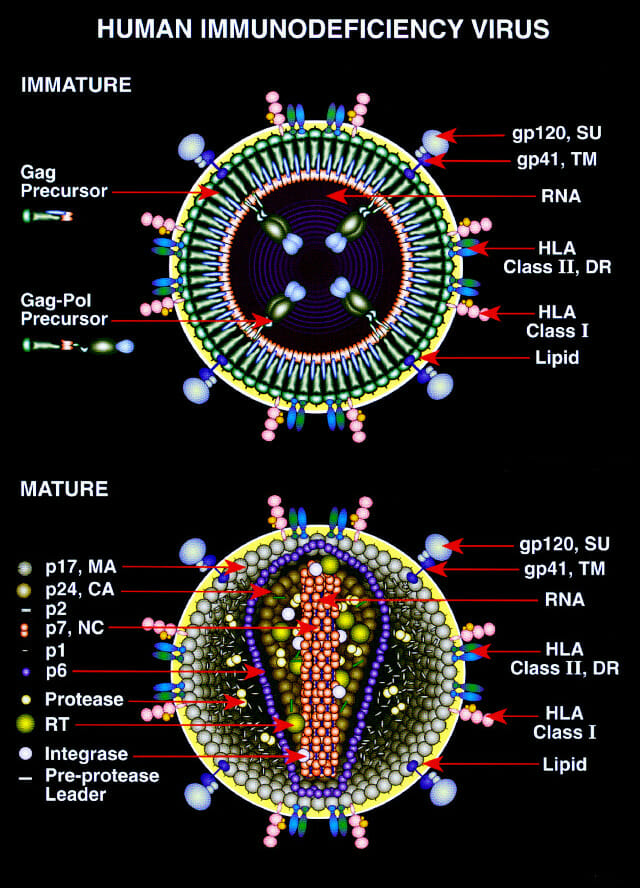


Thottpalayam virus (TMPV) is a unique, genetically distinct single-stranded RNA virus belonging to the Hantaviridae family. Discovered in India in 1964, it stands out as the first hantavirus ever isolated from an insectivore reservoir—the Asian house shrew—rather than a traditional rodent host.
Thottpalayam virus (TMPV) is a single-stranded, enveloped, negative-sense RNA virus belonging to the genus Thottimvirus in the family Hantaviridae. It was the first hantavirus ever isolated, discovered in 1964 in Vellore, Tamil Nadu, India, from the Asian house shrew (Suncus murinus), an insectivore, not a rodent like most other hantaviruses.
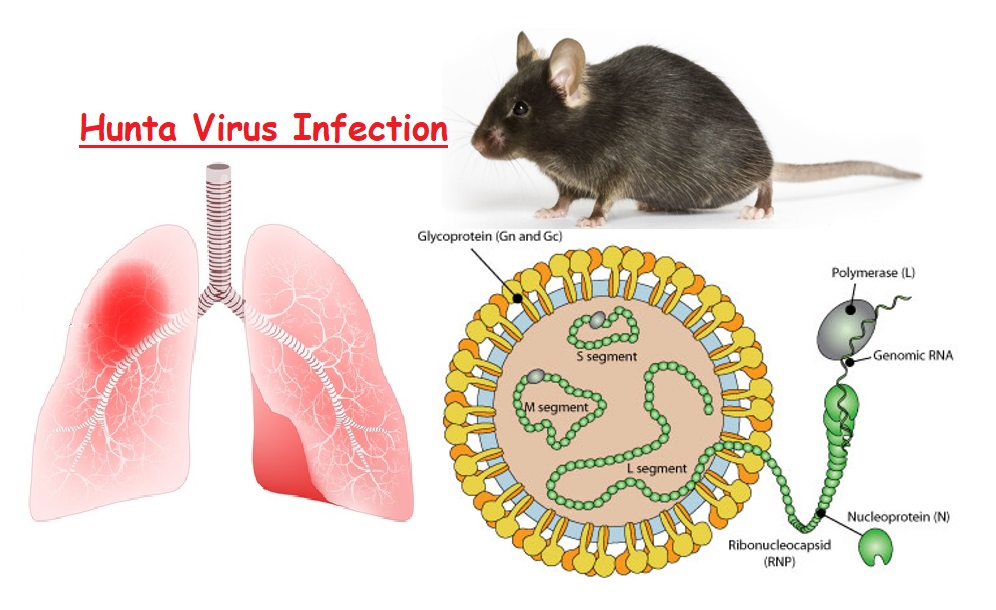
What Are the Key Characteristics of Thottpalayam Virus?
| Aspect | Details |
| Virus Type | Negative-sense ssRNA, enveloped |
| Genome | 3 segments (S, M, and L) encoding N, Gn/Gc, and L proteins |
| Reservoir host | Asian house shrew (Suncus murinus) |
| Taxonomy | Genus Thottimvirus, family Hantaviridae |
| Discovery | 1964, Vellore, South India |
| Uniqueness | Most antigenically & genetically distinct hantavirus: up to 57% protein divergence |
Types
- TMPV is the prototype shrew-borne hantavirus
- Unlike most hantaviruses (rodent-borne), TMPV is insectivore-borne.
- No other subtypes or strains have been isolated to date; only one known isolate exists.
How Is Thottpalayam Virus Transmitted?
- Natural reservoir: Asian house shrew (Suncus murinus)
- Transmission to humans: Likely via aerosolized urine, feces, or saliva from infected shrews (similar to rodent-borne hantaviruses)
- It is unclear whether TMPV is naturally harbored by shrews or represents a spillover from an unknown rodent host, a subject frequently tracked in emerging pathogen databases like the National Institutes of Health (NIH).
- Human-to-human transmission: Not documented; considered rare/nonexistent.
What Are the Potential Symptoms of TMPV Infection?
Direct clinical data on TMPV-specific disease in humans is extremely limited. However, based on
- Serological evidence of hantavirus infection in human in India
- General hantavirus disease patterns and possible manifestations may include fever, headache, myalgia, respiratory symptoms like cough and shortness of breath, hemorrhagic fever with renal syndrome (HFRS)-like symptoms, and hantavirus cardiopulmonary syndrome (HCPS) features in severe cases.
A study in South India found anti-Hanta IgM in the following:
- 23/152 fever patients mimicking dengue and leptospirosis
- 5.7% of blood donors
Diagnosis & Diagnostic Methods:
| Method | Description |
| Serology (IgM/IgG ELISA) | Primary method: detects anti-hantavirus antibodies |
| RT-PCR | Detects viral RNA; less commonly used due to limited primers for TMPV |
| Immunofluorescence assay (IFA) | Confirmatory serological test |
| Virus isolation | Extremely rare; only one original isolate in 1964 |
| Electron microscopy | Confirms hantavirus morphology |
Evidence of human infection in Ind; nos entirely serological ;no confirmed TMPV-specific clinical cases have been published.
Prevention Measures
- Avoid contact with shrews and rodents
- Seal cracks /holes in house to prevent entry
- Proper waste management and food storage
- Use gloves & masks when cleaning rodent/shrew-infested areas
- Disinfect contaminated areas with bleach solutions.
- Control shrew/rodent populations safely (avoid direct contact)
Control Measures
| Level | Measures |
| Individual | Personal protection, hygiene, avoiding contact |
| Household | Rodent/shrew control, sanitation, sealing entry points |
| Community | Environmental cleanup, vector control programs |
| Public health | Surveillance, laboratory capacity outbreak investigation |
Treatment
- No specific antiviral therapy exists for TMPV or most hantavirus infections.
- Management is supportive, like fluid & electrolyte balance, oxygen therapy/mechanical ventilation if respiratory failure, renal support if kidney involvement, and hemodynamic support for shock.
- Early hospitalization improves outcomes in severe cases.
Public Awareness and Community Engagement
Community engagement strategies are
- Village-level health education programs
- School-based awareness on rodent/shrew control
- Involvement of local leaders and Panchayats
- Integration with existing vector-borne disease programs.
- Avoiding contact with shrews/rodents and their droppings
- Infection occurs through aerosolized excreta, so be aware
- Used proper PPE kit
IEC Materials
Recommended materials are
- Posters show rodent-safe cleaning practices
- Leaflets on rodent/shrew-proofing homes
- Flipcharts for Anganwadi/ASHA workers
- Radio/TV spots in local languages
- Social media infographics on hantavirus prevention
- Training manuals for healthcare workers on diagnosis & management
- Avoiding contact with shrews/rodents and their droppings
What Is the Prevalence and Magnitude of TMPV in India?
- TMPV is the only indigenous hantavirus isolate from India
- Seropositivity in the general population is ~4%.
- Among fever patients, 14.7% are anti-hantavirus IgM positive.
- People living/working near rodents/shrews have higher risk
- Underdiagnosed: many cases misdiagnosed as dengue, leptospirosis, or other fevers.
Thottapalayam virus is a unique, shrew-borne hantavirus discovered in India in 1964. While human infection is confirmed serologically, clinical disease characteristics remain poorly defined. The virus poses a potential emerging public health threat, especially in India, but is underdiagnosed and underreported. Prevention focuses on avoiding contact with shrews/rodents, and public health efforts should prioritize surveillance, laboratory capacity, and community awareness.