
Blog

Communicable Diseases

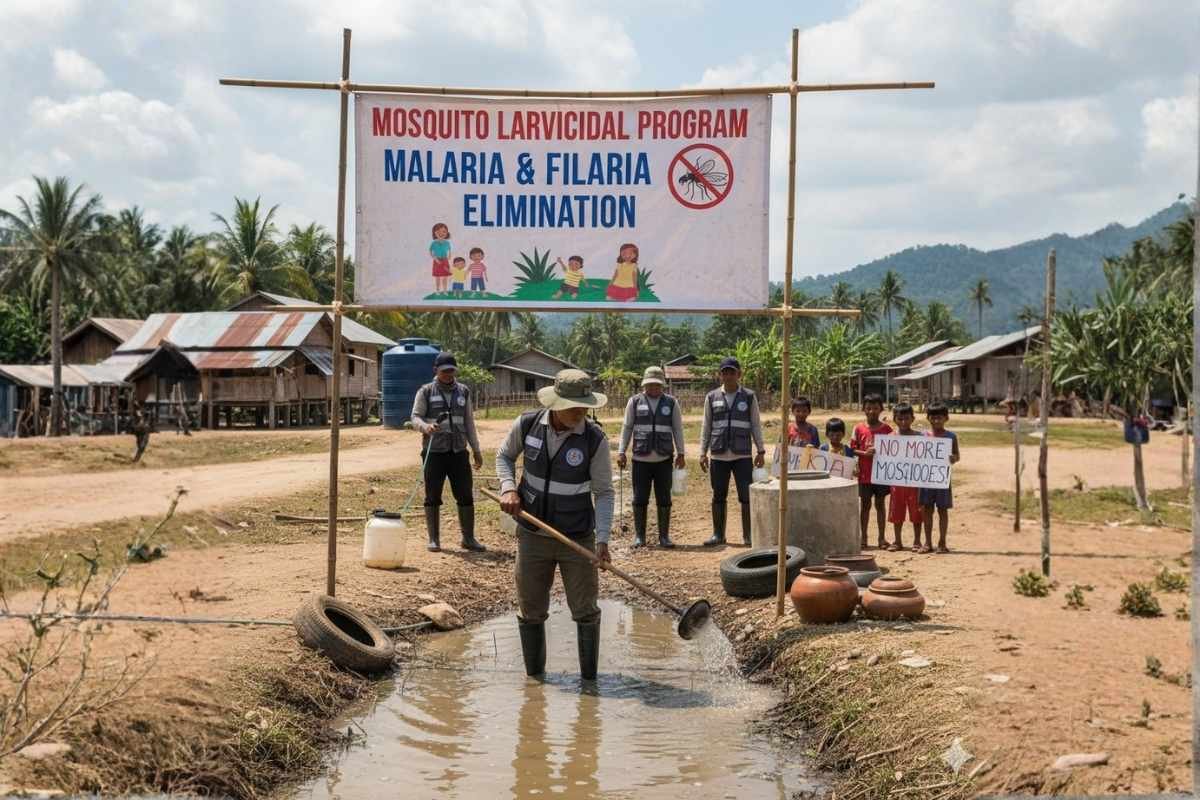
Mosquito Larvicidal Program in Malaria & Filaria Elimination

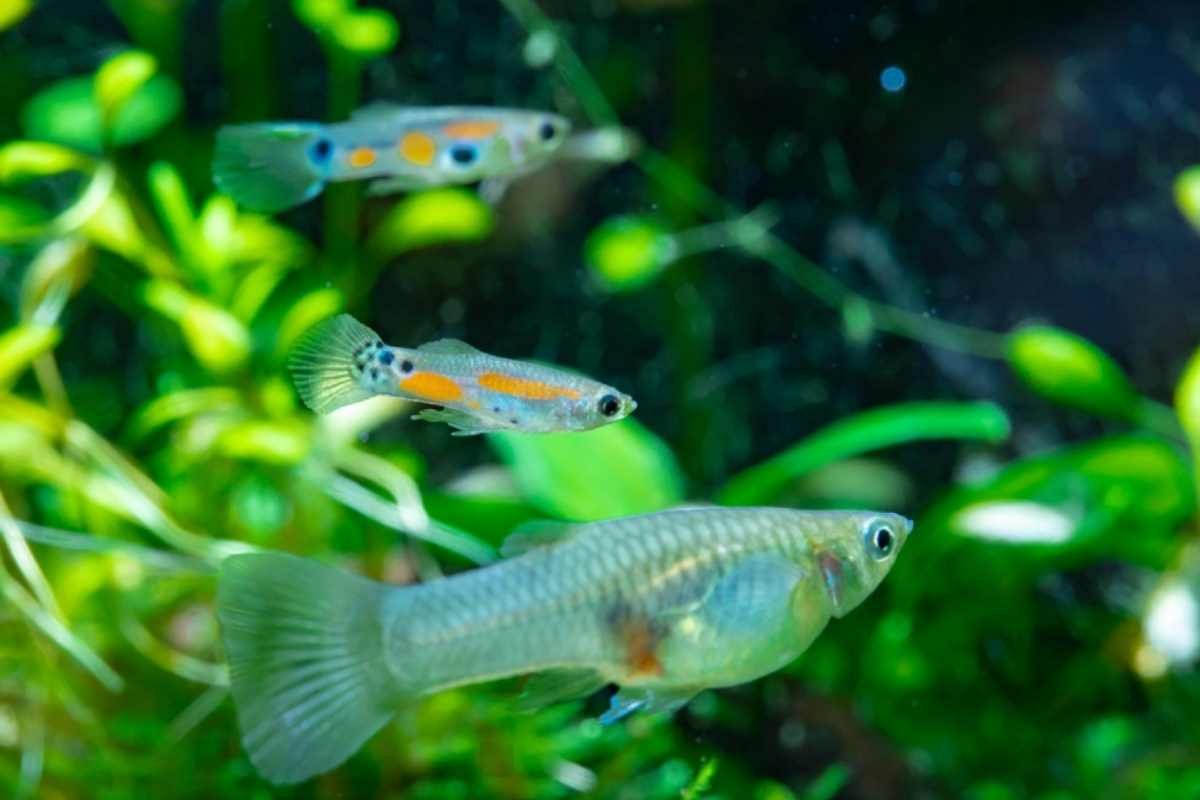
Aim: In the Malaria & Filaria elimination program, the use of larvicides involves targeting and killing mosquito larvae before they can mature and transmit diseases. These programs utilize various strategies or methods. 1) Biological Methods or Control There are two biological methods used: A) Using Larvivorous Fish: * Releasing fish like Guppy and Gambusia into […]

Guppy Fish
Communicable Diseases

Key Points on Fish Hatchery Under Malaria/Filaria Program

Purpose and Biology Ideal Fish Hatchery (Guppy Fish Breeding Place) The ideal breeding place is a well-maintained aquarium with the following conditions: Construction Environment and Maintenance Food for Guppy Fish The best protein feeds to boost guppy survival include: Transportation of Guppy Fish Guppy fish are typically transported from hatcheries to breeding sites using well-established […]

bti
Communicable Diseases

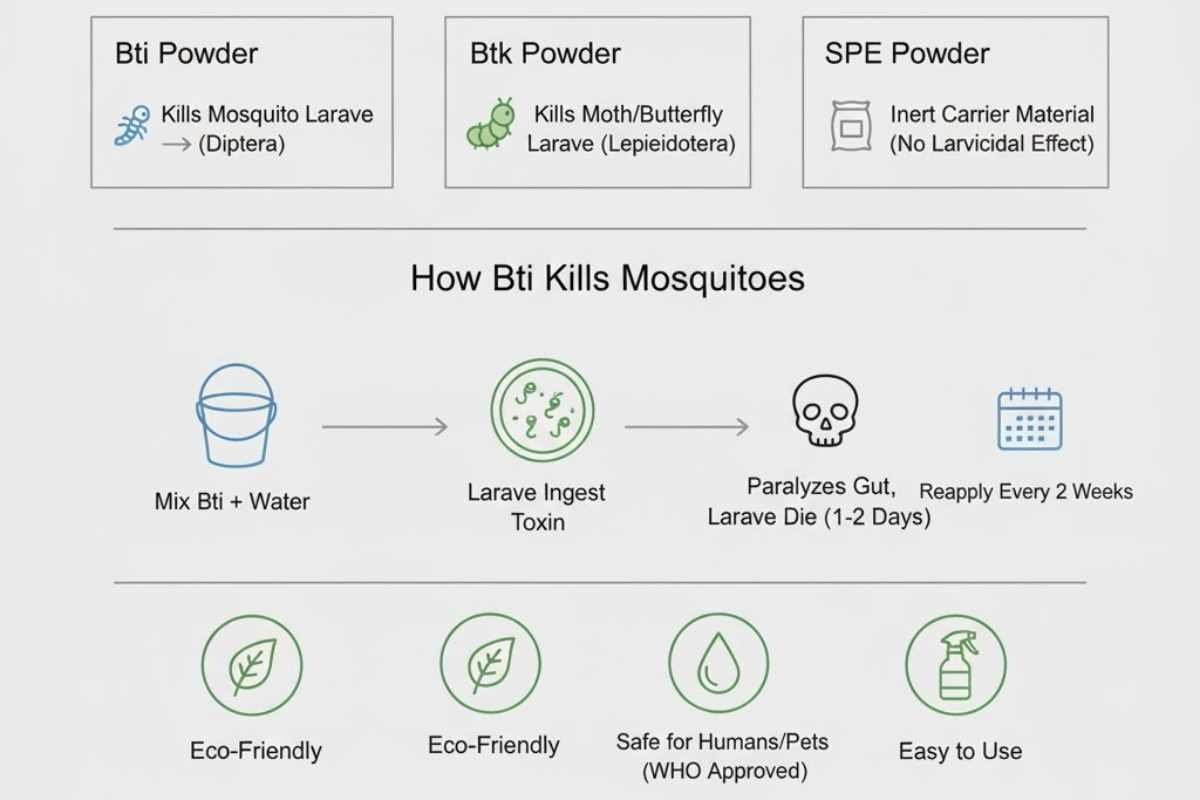
The Role and Mechanism of Bti and Btk

Mechanism of Bti and Btk, SPE Powder Bti powder is used as a biological larvicide to kill larvae in stagnant water, ponds, ditches, puddles, or containers. SPE powder (seashell powder or similar natural powder) is also used as a larvicide, especially against Aedes aegypti. How to Kill Mosquito Larvae with Bti Powder To kill mosquito […]

Human Filarial Species
Communicable Diseases

Human Filarial Species

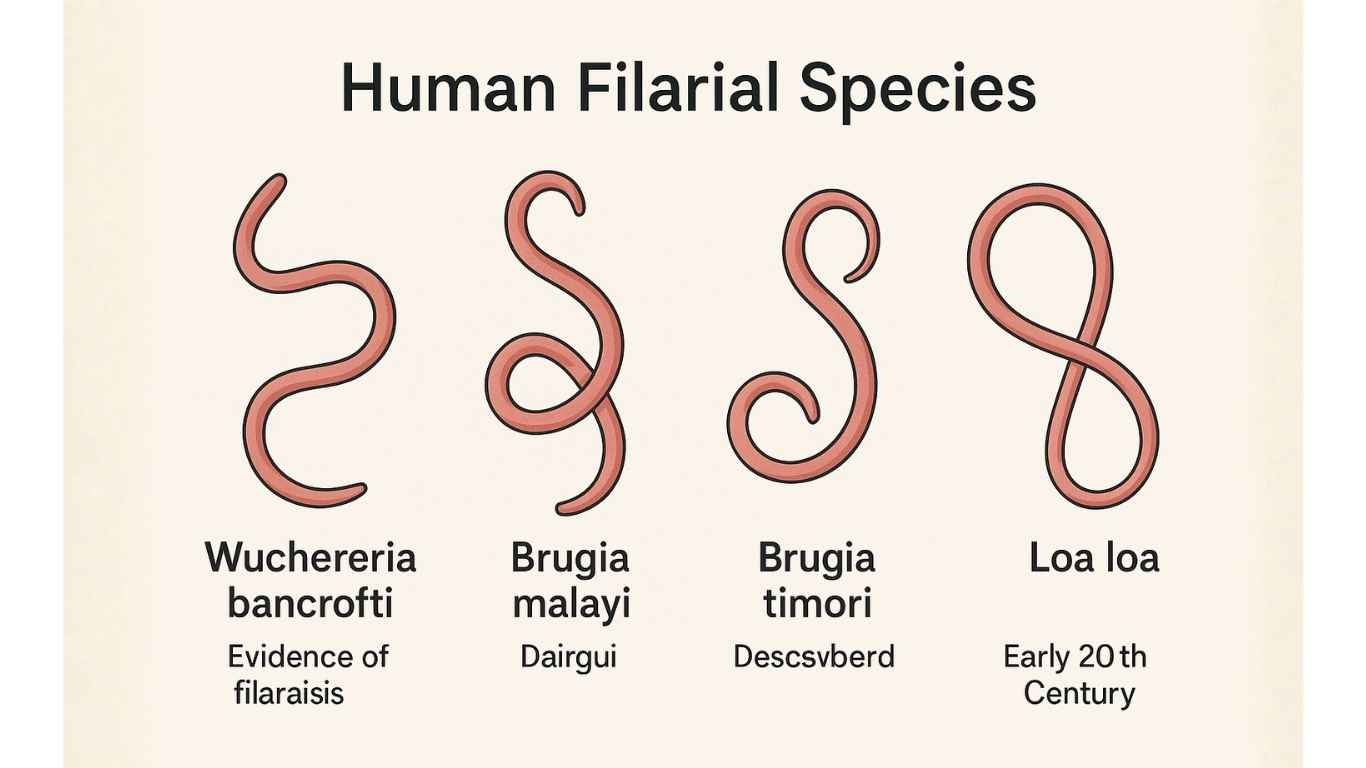
Causative Organism and Vector Details Periodicity of Microfilaria (MF) Human Filarial Species, Disease Type, and Vectors Lymphatic filariasis is reported from 20 states and 5 union territories in India. The main species of filaria that cause human filariasis and their vectors are listed below Sr. No. Species Disease Type Vectors MF Periodicity 1 Wuchereria bancrofti […]

Historical Background of Filariasis
Communicable Diseases

Historical Background of Filariasis

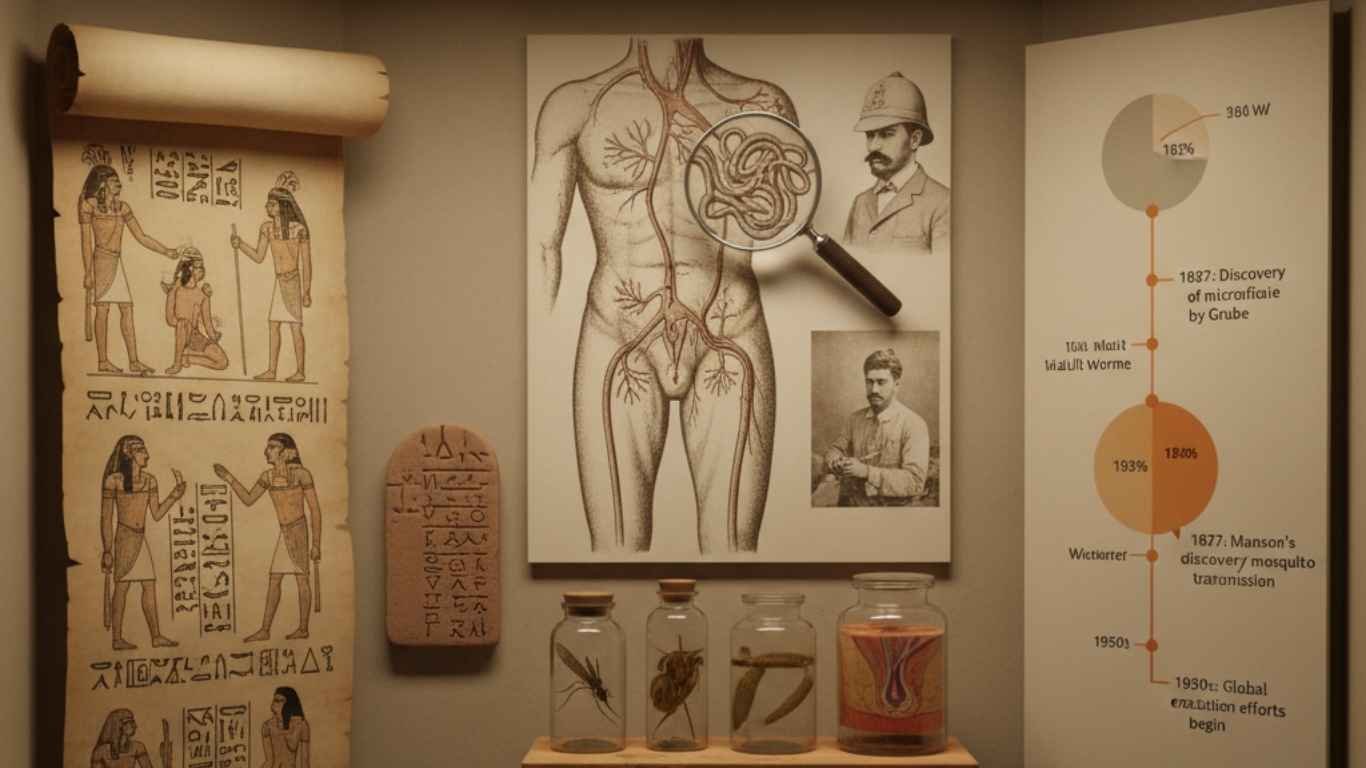
Here is a chronological history of the filarial disease Ancient Times Evidence of filariasis (specifically elephantiasis) is seen in ancient Egypt, depicted by swollen limbs. 6th Century BC Filariasis was described by the famous Indian physician Susruta in his book, “Susruta Samhita.” 7th Century AD Madhavkara described signs and symptoms of the filarial disease in […]

Communicable Diseases

Life Cycle Of Filaria Parasites

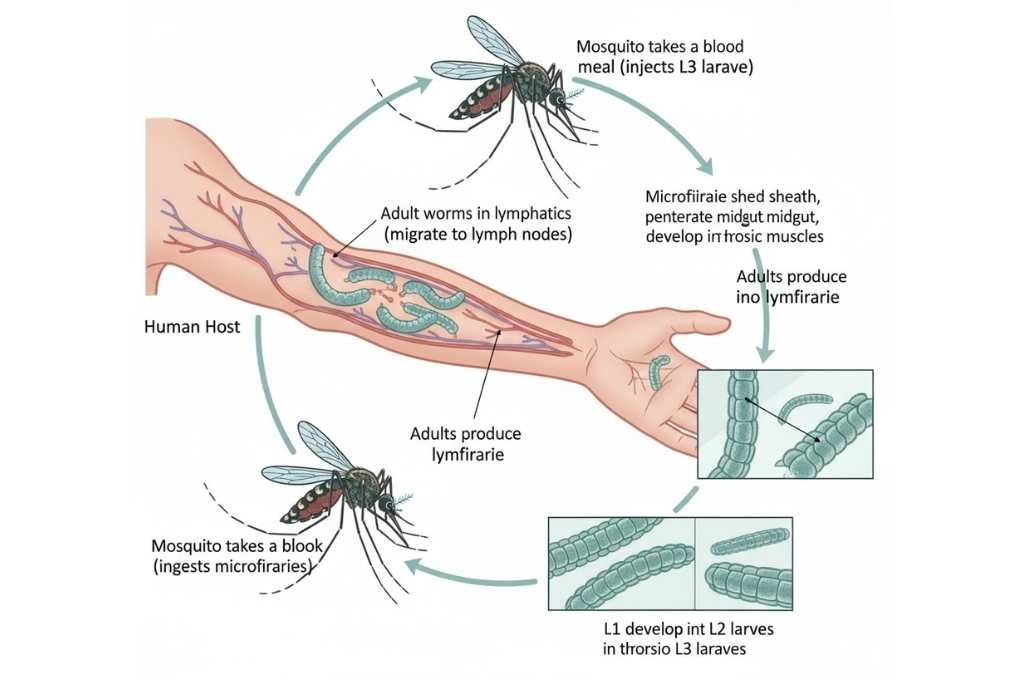
The life cycle of filaria parasites involves three things, e.g., 1) Mankind –>  Primary vertebrate definitive host. 2) Mosquito –> Secondary invertebrate intermediate host 3) Nematode Parasites –> gest The life cycle of filaria parasites completed into two stages 1) Sexual life cycle of the filaria parasite —> In mankind. 2) Asexual life cycle of filaria parasite —> […]

Communicable Diseases

Clinical Signs and Symptoms Of Filariasis

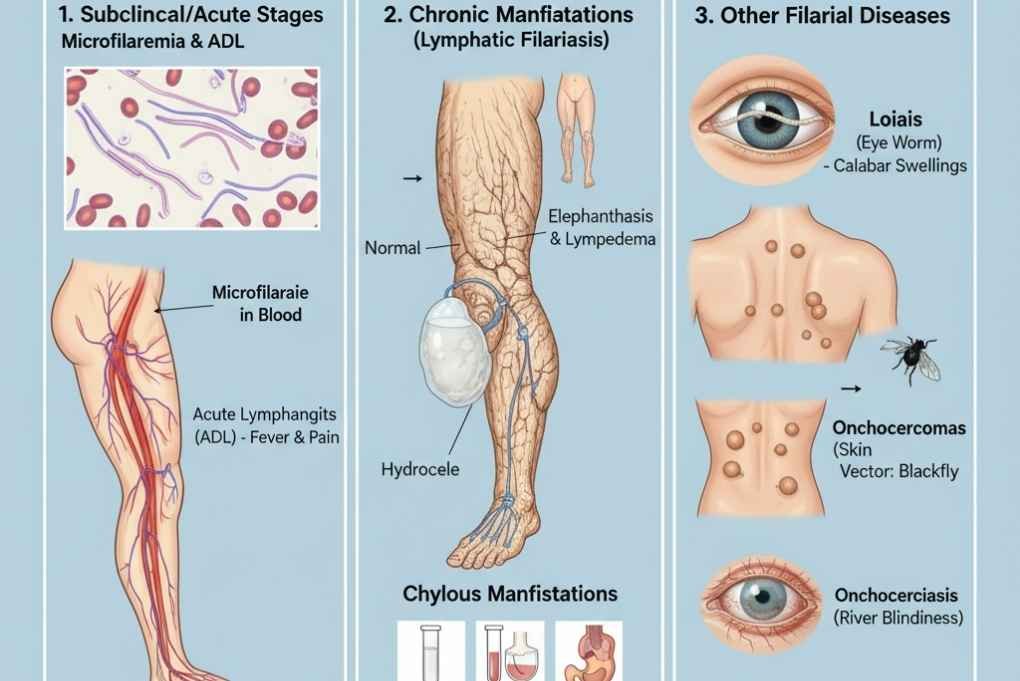
Filariasis is typically acquired during childhood through the bite of an infected female Quinquefasciatus mosquito. The parasite can remain and multiply undetected for up to 18 years inside the body. The disease usually manifests many years later, in adulthood. The microfilariae (Mf) damage the lymphatic system, resulting in lymphedema of the arms, breasts, and legs. […]

Immunity To Malaria
Communicable Diseases

Immunity To Malaria

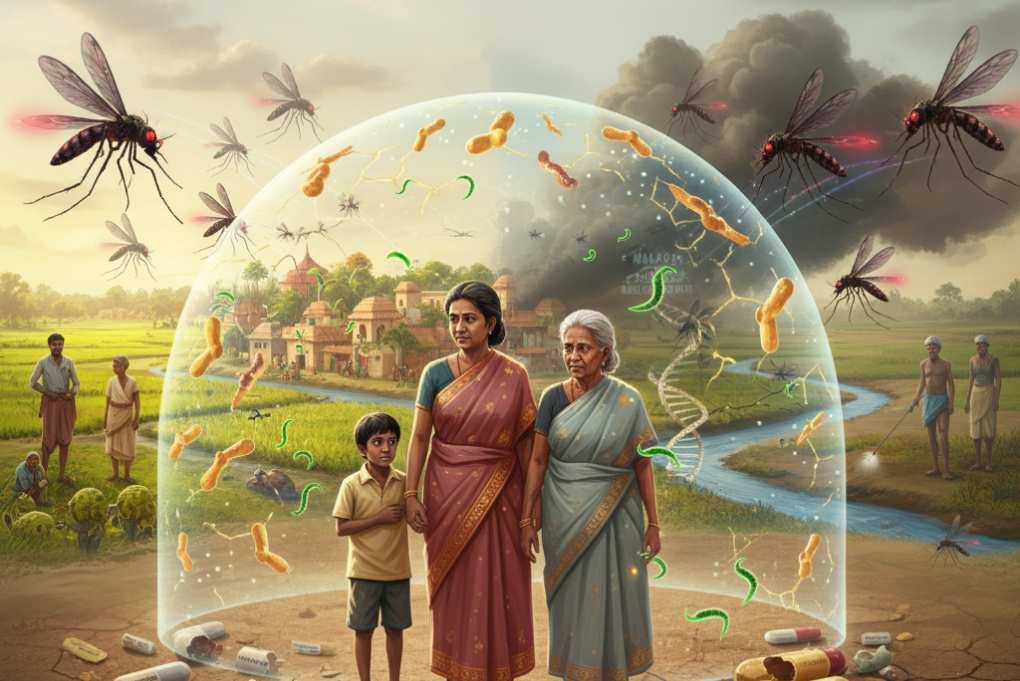
Repeated infections with malaria parasites lead to the acquisition of antibodies directed against various antigens of different stages of malaria parasites, as well as cell-mediated immunity. The immunity is, to a large extent but not completely, specific to the species of malaria parasite. People in India will have a higher degree of immunity to local […]

Diabetes
Non Communicable Diseases

Diabetes—Types, Symptoms & Management

Diabetes is a disease in which the body does not produce or properly use the hormone insulin. The body needs insulin to convert sugar, starches, and other foods into energy. Impairment of insulin secretion and action in the body leads to abnormally elevated levels of glucose in the blood, a condition classically termed as diabetes. […]

Communicable Diseases

Morphology of Plasmodium Ovale

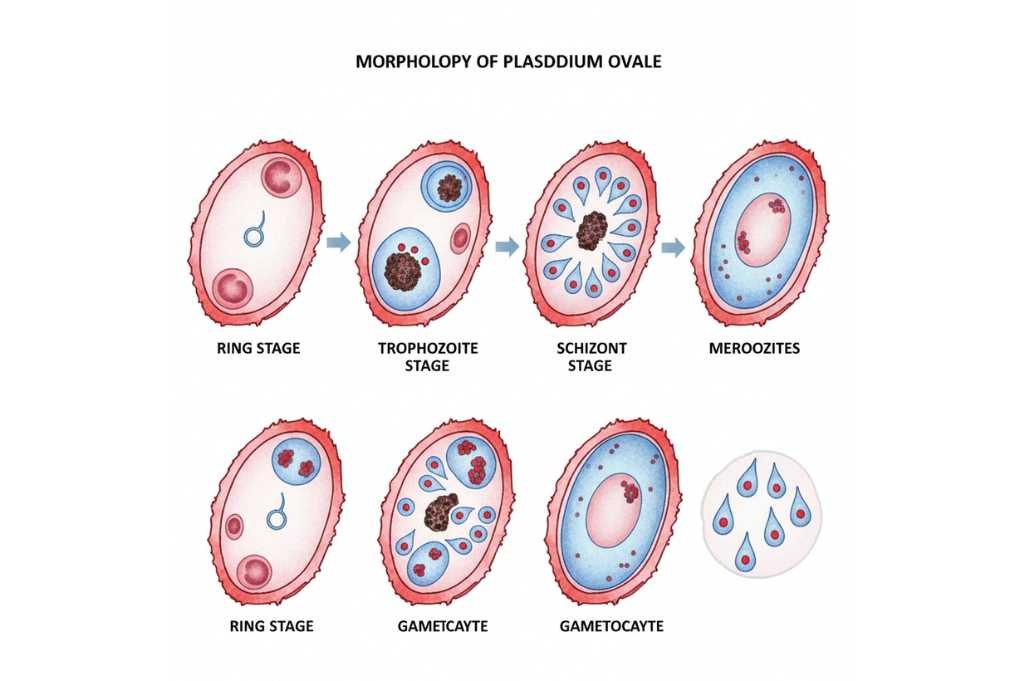
Plasmodium ovale is a species of malaria first described in 1914 by Stephens from a blood sample taken from a patient in Pachmarhi, Madhya Pradesh, India, during the autumn of 1913. It was initially confused with P. vivax (Pv) due to its tertian fever pattern (temperature returns every 48 hours) and morphological similarity. It was […]

Health Care Guruji is an educational health information website that explains medical and public-health topics

Email Us: healthcareguruji@gmail.com

Health Care Guruji  @2026. All Rights Reserved.