
Blog

Communicable Diseases

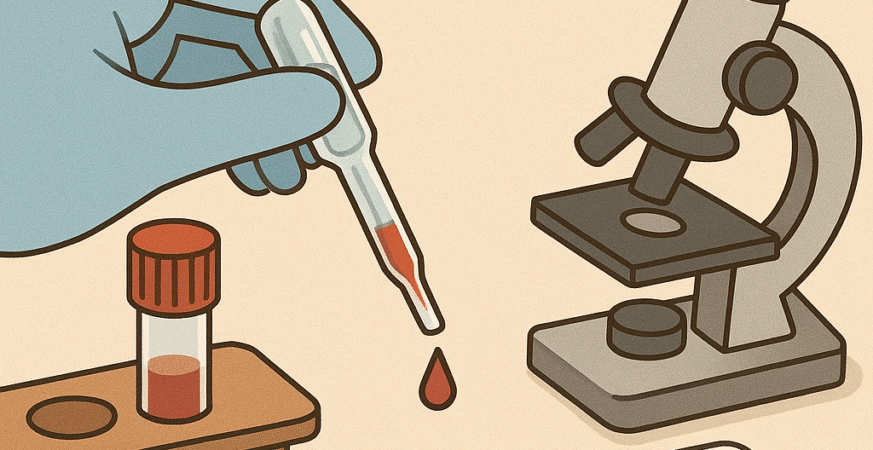
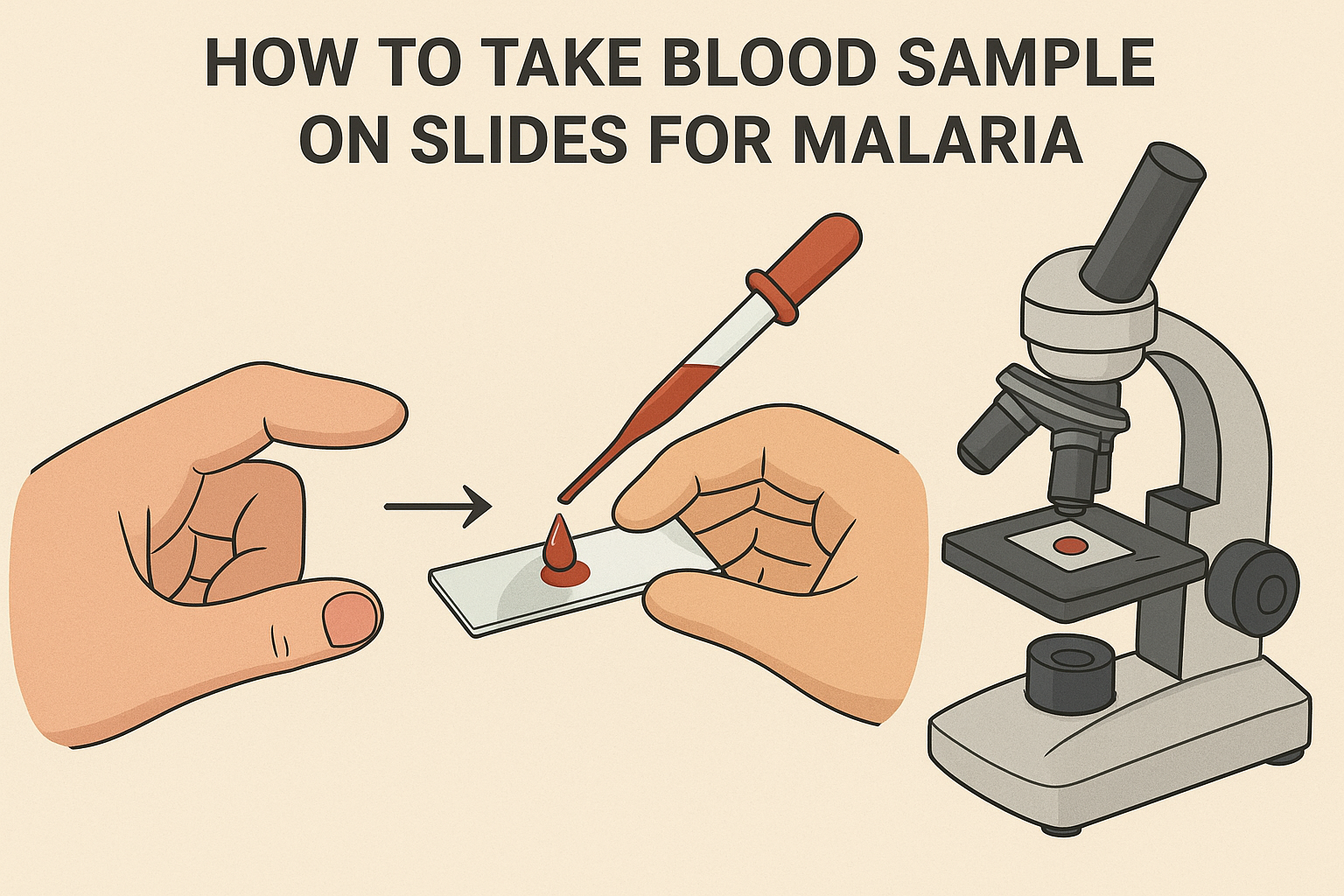
Procedure of blood smear collection 

For diagnosis of malaria, blood should ideally be taken directly from the patient’s finger, and the smears should be prepared in the field beside or in the clinic. Such sample collection is better for the slides, leaving a cleaner background after lysis, and parasite and red blood cell changes are minimal. If anticoagulants are used […]

Communicable Diseases

Malaria surveillance

SURVEILLANCE It is aimed at case detection through laboratory services and providing facilities for proper and complete treatment (EDCT). It is the continuous and systematic blood smear collection, analysis, and interpretation of malaria-related data for the program. There are five kinds of surveillance. Types of Surveillance 1. Active Surveillance A blood smear is taken or […]

Communicable Diseases

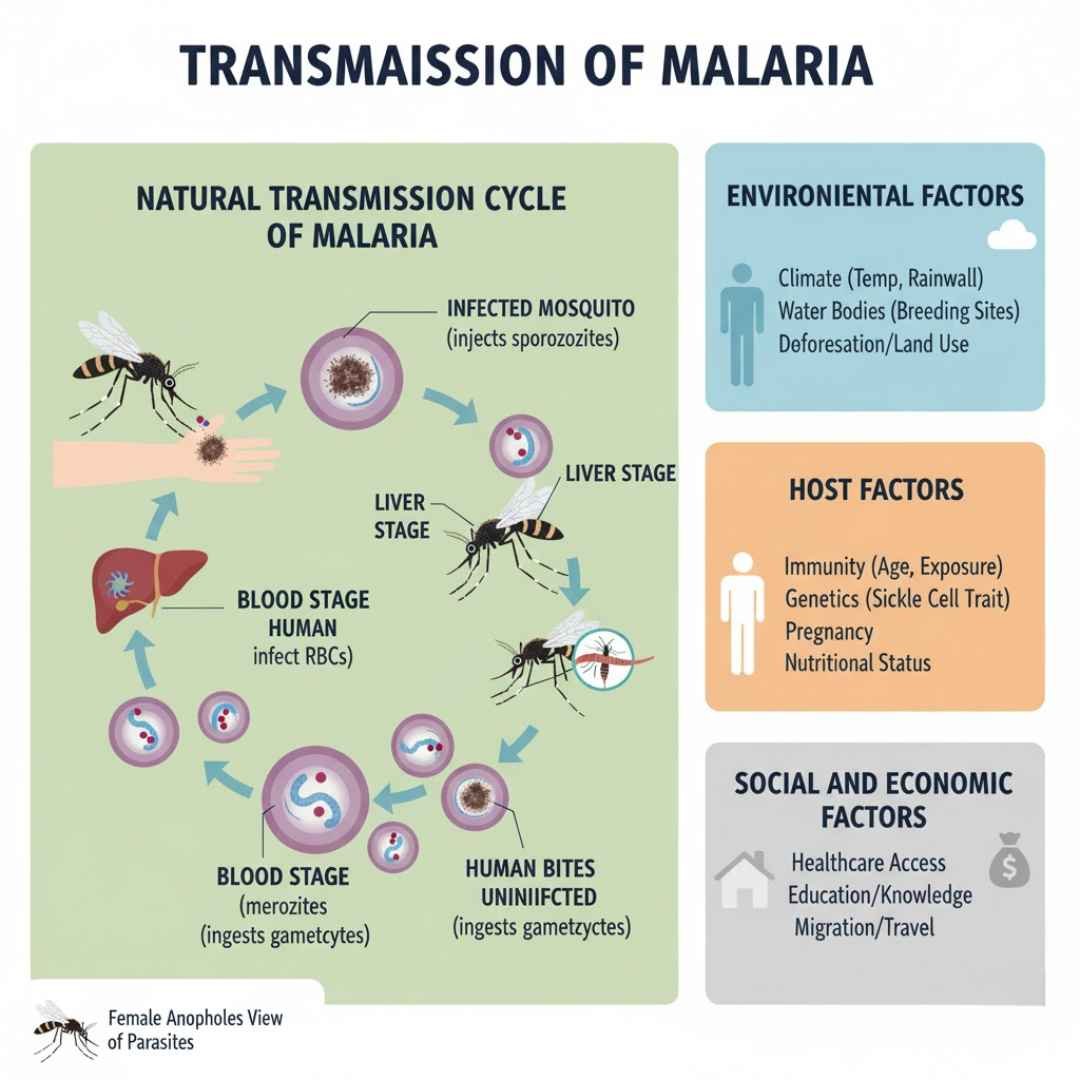
Transmission cycle of malaria

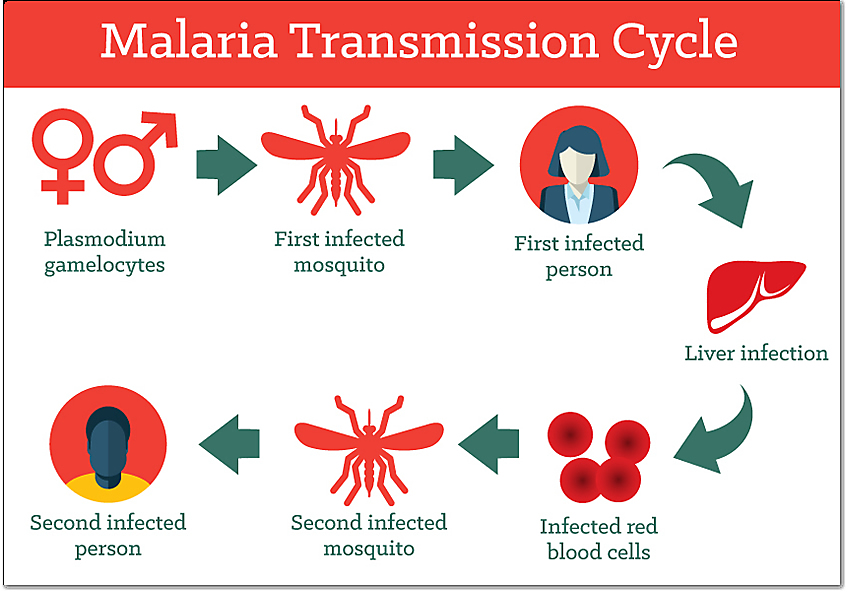
Malaria Transmission Cycle Parasite → Vector → Human → Vector Parasite Vector Human Vector ➤ ➤ ➤ ➤ Natural transmission cycle of malaria The natural cycle of malaria transmission consists mainly of a mosquito (vector), a parasite (having the gametocyte stage of an individual), and a human being (healthy person). The transmission season of malaria […]

Communicable Diseases

Confirmative Diagnosis

1) Clinical Diagnosis: Once malaria is suspected on clinical grounds, laboratory confirmation is mandatory. 2) Laboratory Diagnosis: Laboratory diagnosis methods for detecting Plasmodium parasites in whole blood are crucial. There are two methods; use depends upon ecological condition. Direct evidence Direct evidence of the presence of the  malaria parasite in the whole blood MICROSCOPY (Gold Standard):- By surveillance, […]

Communicable Diseases

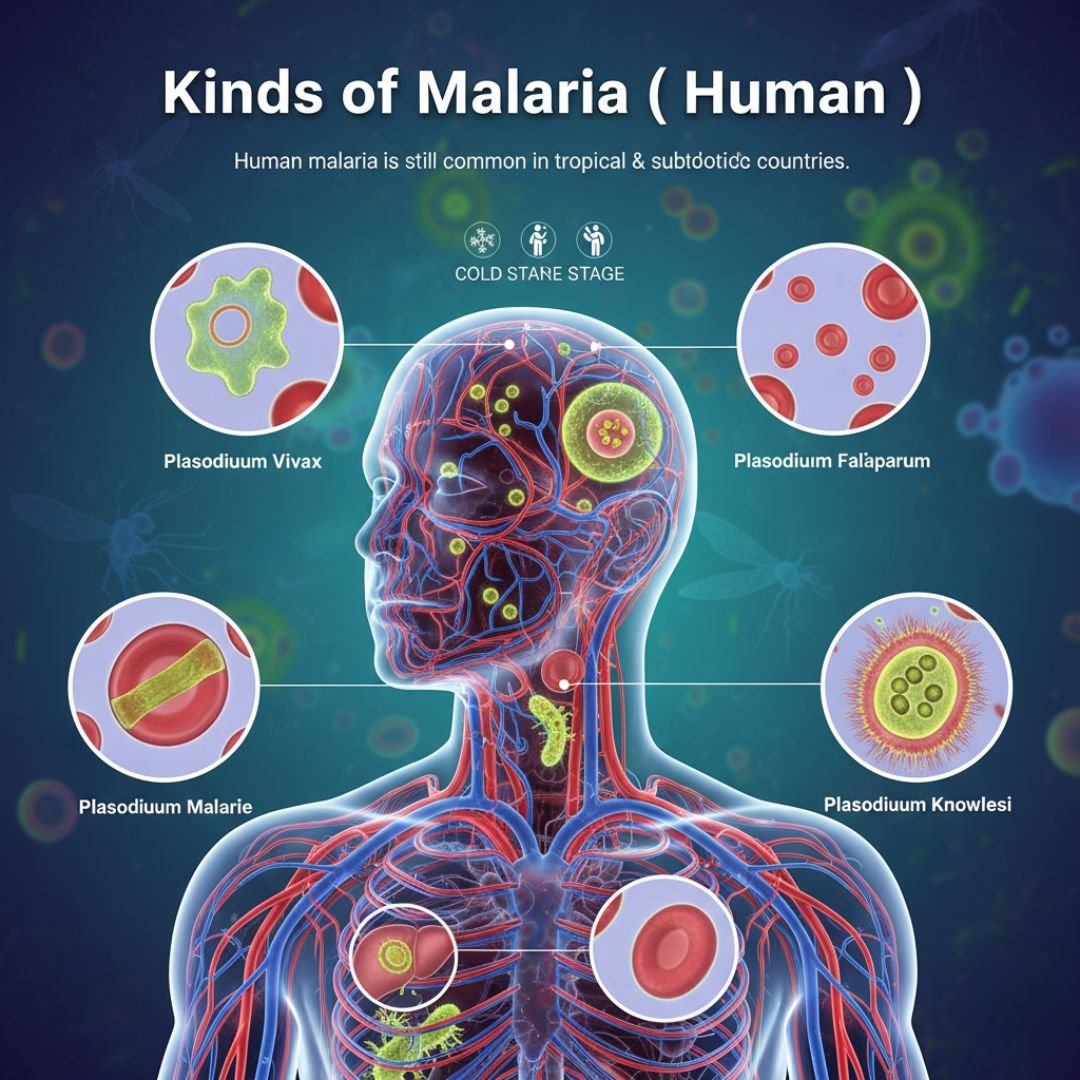
Kinds of Human Malaria

Kinds of Malaria (Human) Human malaria is still common in tropical & subtropical countries. Human malaria species remain common in chimpanzees in the world; five types of human malaria parasites (species) occur nowadays. e.g., Plasmodium Vivax P. The vivax species is most prevalent in the world. It causes relapses & other complications. Relapses can occur in months […]

Communicable Diseases

Epidemiological Parameters in Malaria

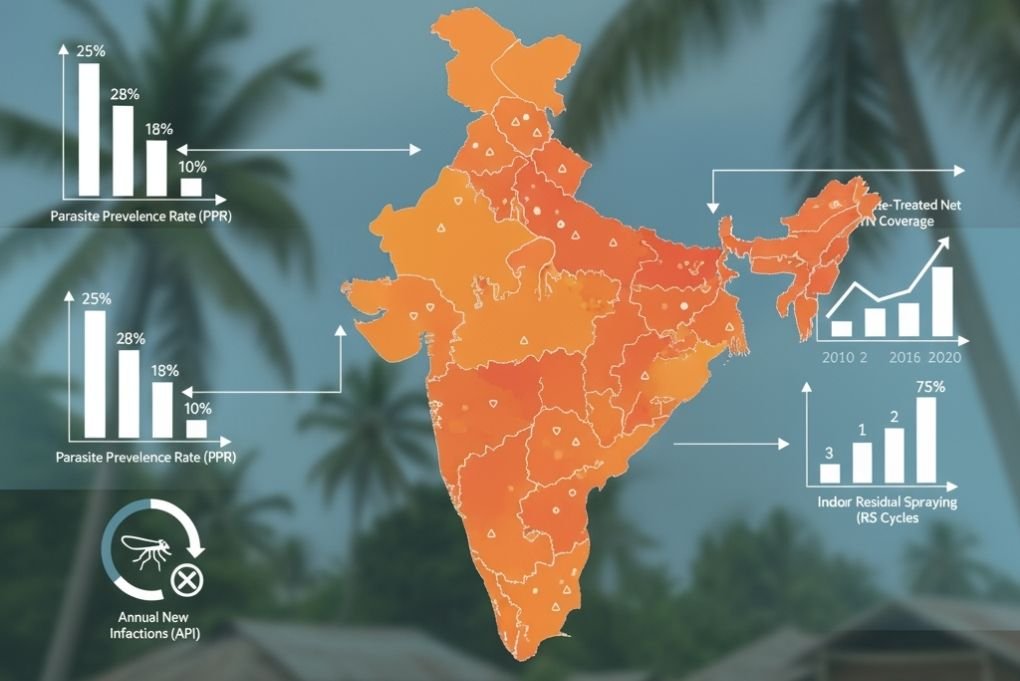
Epidemiological parameters like ABER, MBER, API, and SPR are essential tools for monitoring malaria trends, evaluating control programs, and guiding public health policy.
They measure blood examination rates, parasite incidence, and positivity ratios to identify high-risk areas and ensure timely intervention.

types of maleria
Communicable Diseases

Kind of Transmission of malaria

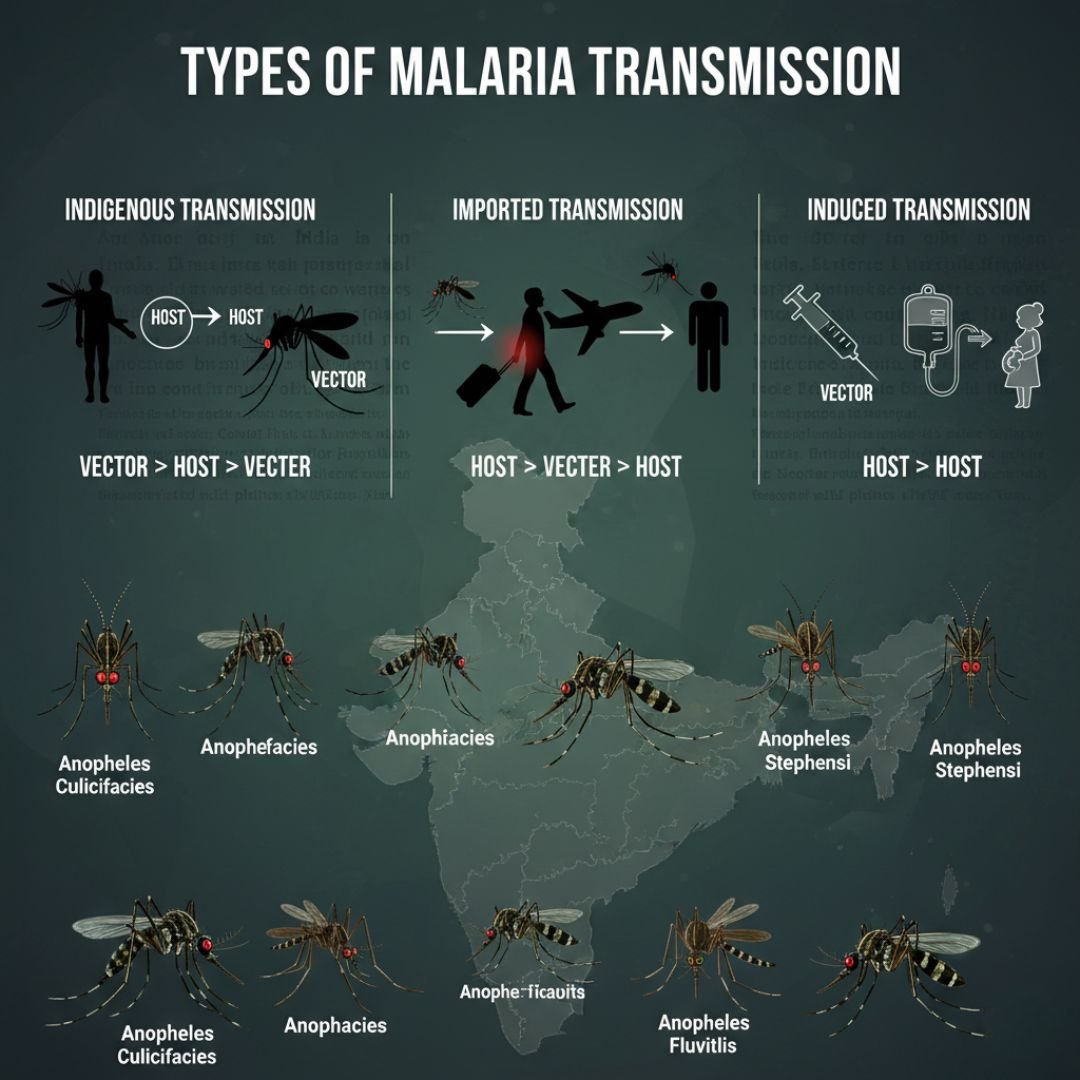
There are three types of transmission of malaria 1) Indigenous transmission of malaria  It is a natural cycle of malaria transmission, i.e., Vector —> Host —-> Vector —>It is known as the Indigenous type of malarial transmission. It refers to the local spread of malaria in a specific area. The transmission occurs within the region, not […]

healthcare workers
Public Health & Epidemics

Role of  Community Health Workers

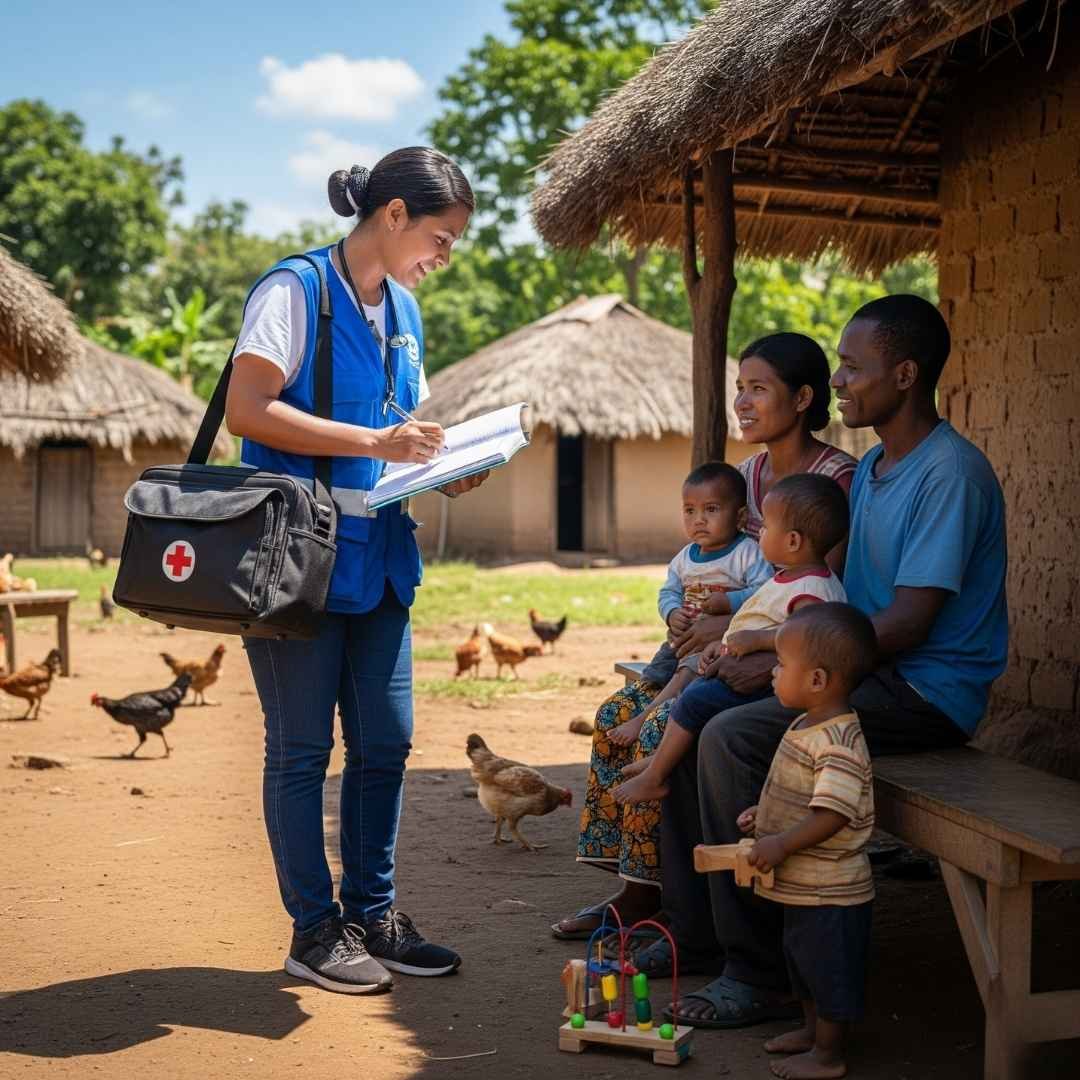
 The role of community health workers is crucial for early case detection and complete treatment (EDCT) of malaria cases.  CHWs are the frontline health workers who collected BS from house-to-house visits or performed RDT on fever cases and gave timely radical treatment. They maintain records of all blood smear collections and RDT results, which help him for data […]

Communicable Diseases

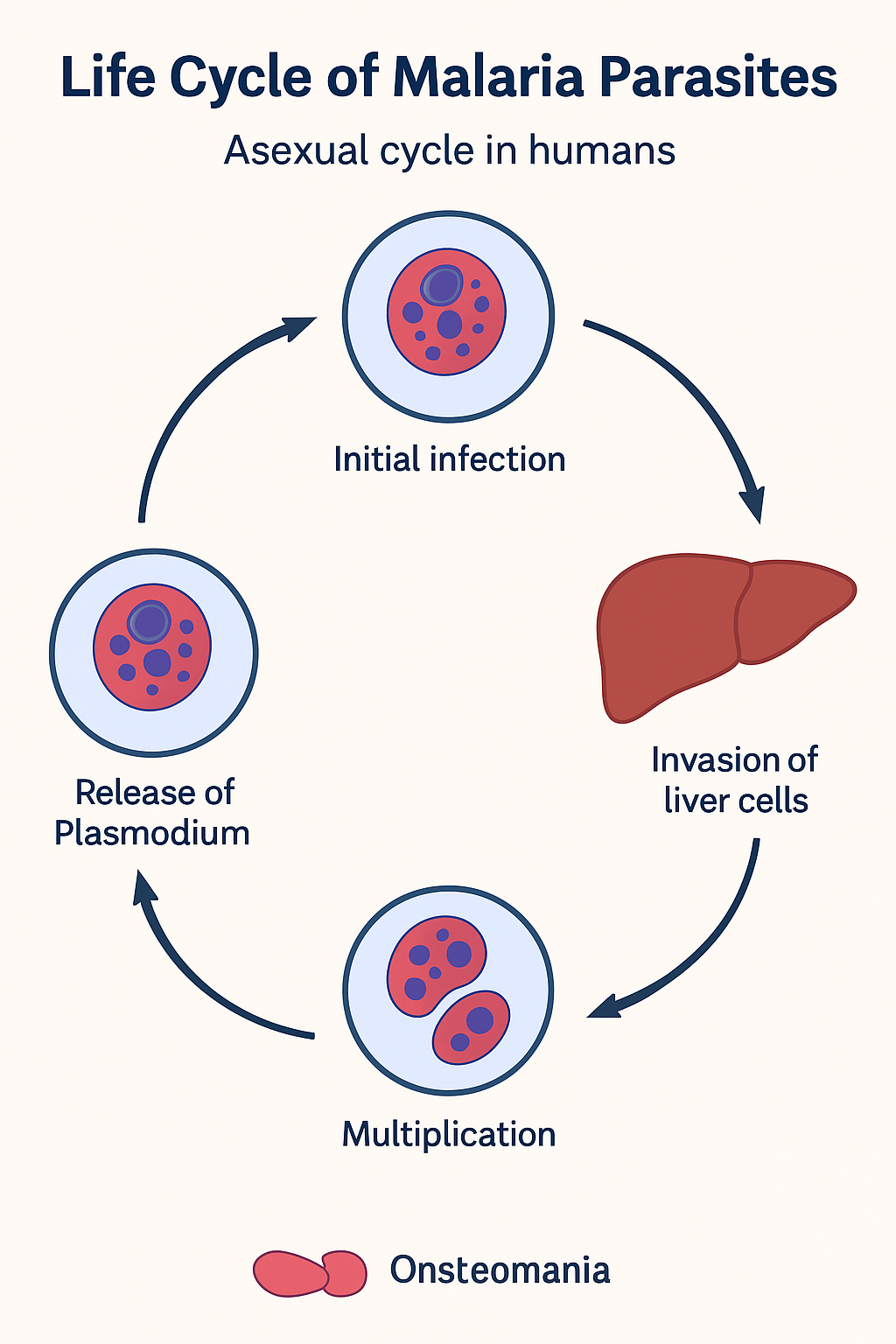
Life cycle of malaria parasites—Asexual cycle in humans

Life cycle of malaria parasites involving three living things. The malaria parasite completes its asexual cycle in mankind and sexual cycle in mosquitoes. Asexual Cycle in Humans The asexual life cycle takes place in the human body & it is divided into two stages.   A) Pre-erythrocytic or Exo-erythrocytic or Liver Stage Tissue Phase Cycle: […]

Communicable Diseases Public Health & Epidemics

Biology of Malaria Transmission

Malaria spreads when an infected mosquito bites a person, passing the parasite into the bloodstream. Gametocytes are the parasite’s sexual stages that enable transmission, but many aspects of their biology remain unclear. It cannot spread by casual contact—only through mosquitoes, blood transfusions, organ transplants, or mother-to-child.

Health Care Guruji is an educational health information website that explains medical and public-health topics

Email Us: healthcareguruji@gmail.com

Health Care Guruji  @2026. All Rights Reserved.