


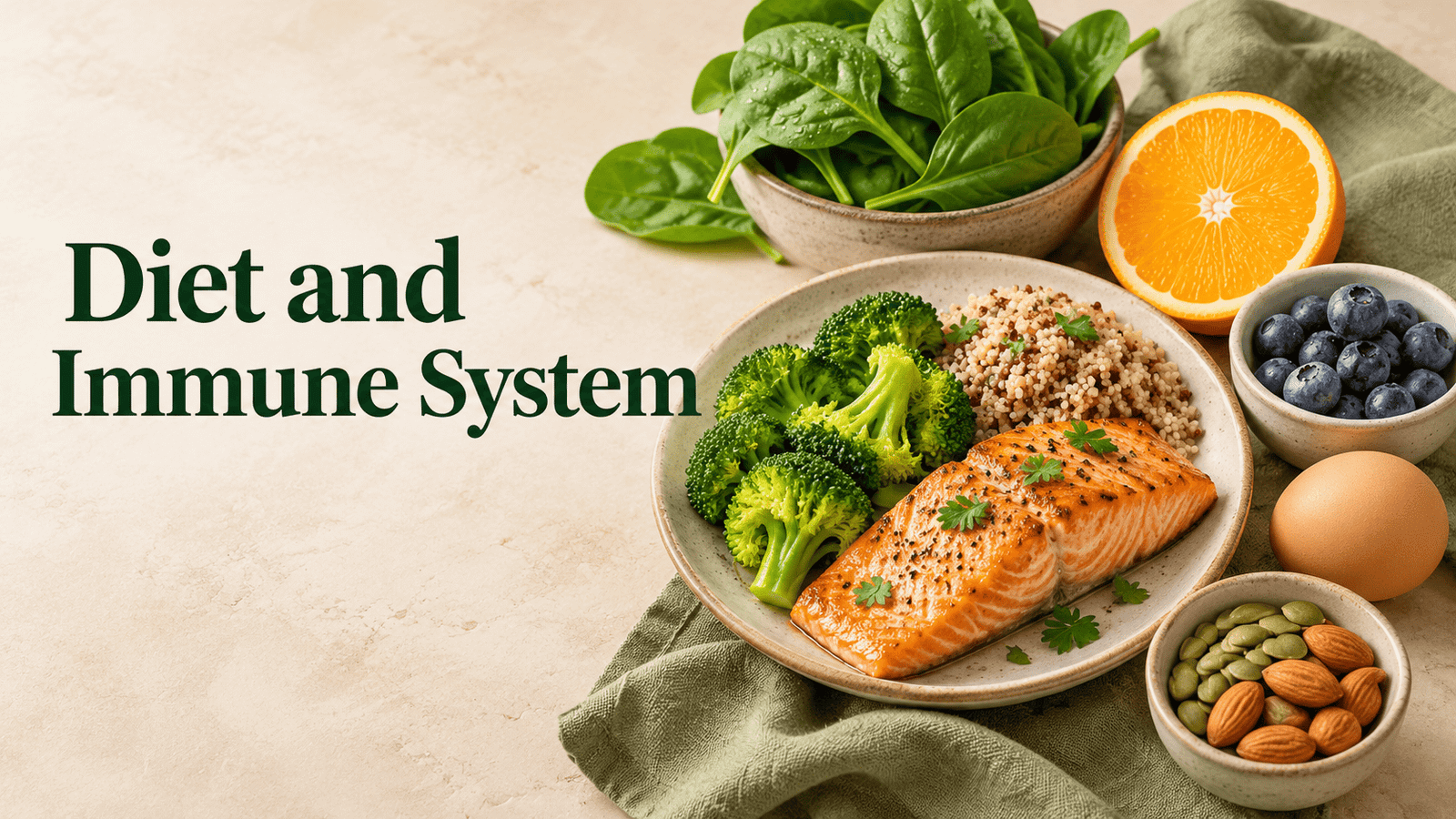
A diet is the total pattern of foods and drinks a person regularly consumes, including the nutrients and other compounds those foods provide.
The immune system is the body’s defense network of cells, organs, tissues, proteins, and signaling molecules that recognizes and protects against harmful invaders such as bacteria, viruses, fungi, and parasites.
Nutrition: The process by which the body obtains and uses nutrients from food for energy, growth, metabolism, repair, and maintenance of body functions.
How a Proper Diet and Immune System Interact
The immune system needs energy and nutrients such as protein, vitamins, and minerals to develop and function properly. A varied, balanced diet supports immune cells and barriers such as the skin and intestinal lining, while a nutrient-poor or highly restricted diet can impair immune function.
The immune system has two main branches: innate immunity, the rapid first-line response, and adaptive immunity, which learns to recognize specific pathogens and produces targeted responses such as antibodies.
E.g., eating a diet with fruits, vegetables, whole grains, lean protein, and adequate fluids helps supply the nutrients immune cells need; however, no single food or supplement “boots” immunity on its own.
Importance of immune system:
- The immune system protects the body from harmful microorganisms such as bacteria, viruses, fungi, and parasites.
- A balanced diet provides the energy, protein, vitamins, and minerals needed for immune cells to function properly.
- Important nutrients include vitamins A, C, D, and E, along with zinc, iron, selenium, and protein.
- Fruits and vegetables supply vitamins, minerals, antioxidants, and fiber. Citrus fruits, tomatoes, leaf greens, carrots, and berries are beneficial choices.
- Protein-rich foods such as pulses, beans, eggs, fish, milk, nuts, and seeds help in the growth and repair of immune cells.
- Whole grains and fermented foods may support healthy gut bacteria, which play an important role in regulating immunity.
- Drinking enough water, getting adequate sleep, exercising regularly, and maintaining a healthy weight also support immune health.
- Highly processed foods, excess sugar, salt, and unhealthy fats should be limited.
- No single food or supplement can prevent illness; a varied, balanced diet is more useful than relying on “immunity-boosting” products.
- Supplements should be taken only when medically recommended, because unnecessary high doses can be harmful.
What is the role of zinc in infection defense?
Zinc is an essential micronutrient required for both innate and adaptive immunity. Its primary functions include:
Inflammation Control: Regulates cytokine responses to prevent overactive inflammation.
Immune Cell Development: Supports T-cells, natural killer cells, and macrophages.
Antiviral Defense: Interferes with viral replication pathways.
- Evidence: zinc supplementation can reduce the incidence of diarrheal and respiratory infections, particularly in people with low zinc intake or older adults.
- It supports the development and activation of immune cells, including T lymphocytes.
- Zinc helps to regulate cytokine and other inflammatory responses.
- Dietary sources include meat, seafood, eggs, milk, beans, nuts, seeds, and whole grains.
2. Vitamin D’s role:
Vitamin D modulates immune responses rather than simply “boosting” them. It supports physical barriers, promotes antimicrobial peptides such as cathelicidin/LL-37, and helps balance inflammatory and regulatory immune activity.
- Innate immunity: supports macrophage and epithelial defenses against pathogens.
- Adaptive immunity: Influences T-cell regulation and can suppress excessive pro-inflammatory cytokine responses.
- Infection risk: deficiency is associated with greater susceptibility to respiratory infections; regular supplementation may slightly reduce respiratory infection risk, especially in people with low vitamin D levels.
- Treatment: vitamin D supplements do not appear to speed recovery once a respiratory infection has begun.
- Sources include sunlight exposure, oily fish, egg yolks, fortified milk, and fortified cereals.
| Nutrient | Main immune role | Best-supported use |
|---|---|---|
| Zinc | Immune-cell development, antiviral signaling, inflammation regulation | Correcting deficiency may help reduce respiratory/diarrheal infection incidence in at-risk groups. |
| Vitamin D | Barrier integrity, antimicrobial peptides, immune balance | Preventing/correcting deficiency; possible modest reduction in respiratory infection risk if deficient. |
If we suspect deficiency like limited sun exposure, dietary restriction, older age, or recurrent infections, ask a clinician whether testing and a targeted supplement are appropriate. High-dose zinc or vitamin D taken without need can cause harm: excess zinc can cause copper deficiency and gastrointestinal problems, while very high vitamin D intake can cause raised calcium levels. A balanced diet, vaccination, hand hygiene, sufficient sleep, and appropriate medical care remain important.
What is the history of human diet and nutrition?
Diet has changed throughout human history according to climate, geography, culture, technology, and the availability of food. The word “diet” generally means the food and beverages regularly consumed by a person or community.
Main Stages:
- Hunter-gatherer period: Early humans obtained food by hunting, fishing, and gathering wild plants. Their diet included fruits, vegetables, roots, nuts, seeds, insects, fish, and meat. Food availability depended on the season and location.
- Discovery of cooking: Cooking made food softer and easier to digest. It also improved taste and helped make some foods safer to eat. Meat, roots, grains, and other foods gradually became part of cooked meals.
- Agricultural Revolution: About 10,000-12,000 years ago, people began farming and domesticating animals in several regions of the world. Wheat, rice, maize, barley, pulses, milk, and meat became important foods. This change created settled villages and a more dependable food supply.
- Ancient civilizations: Egyptians, Greeks, Romans, Indians, and Chinese developed different food traditions. Their diet included grains, fruits, vegetables, pulses, spices, dairy products, fish, and meat. Many ancient medical traditions recognized a connection between food and health.
- Trade and exploration: The movement of people and goods spread foods around the world. Spices, potatoes, tomatoes, maize, tea, coffee, and other foods became common in regions where they had not originally grown.
- Industrial Revolution: During the eighteenth and nineteenth centuries, factories, milling, canning, refrigeration, and improved transport changed food production and storage. Processed foods became more widely available.
- Modern diet: Today, people can access a wide variety of foods throughout the year. However, diets are high in processed foods. Added sugar, salt, and unhealthy fats have also become common. Nutrition science now emphasizes balanced meals containing fruits, vegetables, whole grains, protein, and healthy fats.
People understood the relationship between food and health long before modern science, but nutrition science developed rapidly during the nineteenth and twentieth centuries. Scientists identified calories, proteins, fats, carbohydrates, vitamins, and minerals, while dietetics developed as a professional field for applying nutrition knowledge to health and disease. Hence, the history of diet shows a movement from seasonal wild foods to farming, food trade, industrial production, and modern processed foods. A healthy modern diet should combine variety, balance, moderation, and safe food practices.
What is nutritional immunology
Nutritional immunology is the branch of science that studies how food and nutrients influence the immune system, infection defense, inflammation, and recovery from illness. It examines the two-way relationship between nutrition and immunity: poor nutrition can weaken immune responses, while infection can increase the body’s nutritional needs.
Major Areas:
- Immune cell function: Nutrients provide energy and building materials for immune cells, including macrophages, T cells, and B cells.
- Physical barriers: Adequate nutrition helps maintain the skin, intestinal lining, and mucous membranes that prevent pathogens from entering the body.
- Innate immunity: Vitamins and minerals help support the body’s rapid, non-specific first defense.
- Adaptive immunity: Nutrients assist antibody production and the development of immune memory.
- Gut immunity: Dietary fiber and beneficial microorganisms influence gut-associated immune tissues and may support a healthy microbiome.
- Inflammation: Dietary patterns can affect inflammatory processes; both nutrient deficiency and excess may disturb immune regulation.
Important Nutrients:
- Vitamin A: Maintains skin and mucosal barriers.
- Vitamin C and E: Help protect cells from oxidative damage.
- Vitamin D: helps regulate innate and adaptive immune responses.
- Zinc: Supports immune cell development and normal immune signaling.
- Iron and selenium: Support immune cell activity and protective enzymes.
- B vitamins, folate, and vitamin B12: Help with cell division, energy metabolism, and blood cell formation.
- Protein: Supplies amino acids needed to produce antibodies, enzymes, and immune cells.
What are the effects of poor nutrition on the immune system?
- Increased risk of infection.
- Slow wound healing.
- Reduced antibody and immune cell responses.
- Greater severity or duration of some illness.
- Increased weakness and delayed recovery.
Both deficiency and excessive intake of nutrients can be harmful, so supplements should not be taken routinely without a demonstrated need or medical advice. A varied diet containing vegetables, fruits, pulses, whole grains, nuts, seeds, dairy or alternatives, eggs, fish, or other protein foods usually provides the nutrients needed for normal immune function. Nutritional immunology does not mean that one food can “boost” immunity; it emphasizes adequate nutrition over time, along with vaccination, sleep, hygiene, exercise, and medical care.