




A) Ancient History of Chikungunya Fever
disease was first formally described in detail during an outbreak in 1952-1953 on the Makonde Plateau in the country of Tanzania. The name Chikungunya comes from the Mokonde language, meaning “that which bends up,” referring to the severe joint pain causing contorted postures in patients. In the 18th century chikungunya appeared in a Caribbean country. These early outbreaks were often described using terms like “Kidenga pepo” (Swahili for sudden cramp-like seizure) in Africa.
The term “chikungunya” comes from the Kimakonde language in southern Tanzania and northern Mozambique. In Spanish-speaking regions, the term gained ground through historical associations between chikungunya symptoms and “dengue-like” diseases, where the clinical distinctions between chikungunya and dengue only became clear in the mid-20th century when the virus was isolated and studied. Early English and Spanish texts using the word “chikungunya” are linked to investigation and epidemic reports from the 19th & 20th centuries, especially surrounding outbreaks in the Americas and Africa.
The virus was isolated in 1952 from febrile patients in Tanzania, confirming it as a distinct viral disease, separate from dengue viruses. Since then chikungunya virus has been recognized as a flavivirus transmitted by Aedes mosquitoes, causing febrile illness with rash and prolonged joint pain. Historic epidemiology and molecular data confirm that chikungunya originated in Sub-Saharan Africa before spreading to Asia & beyond.
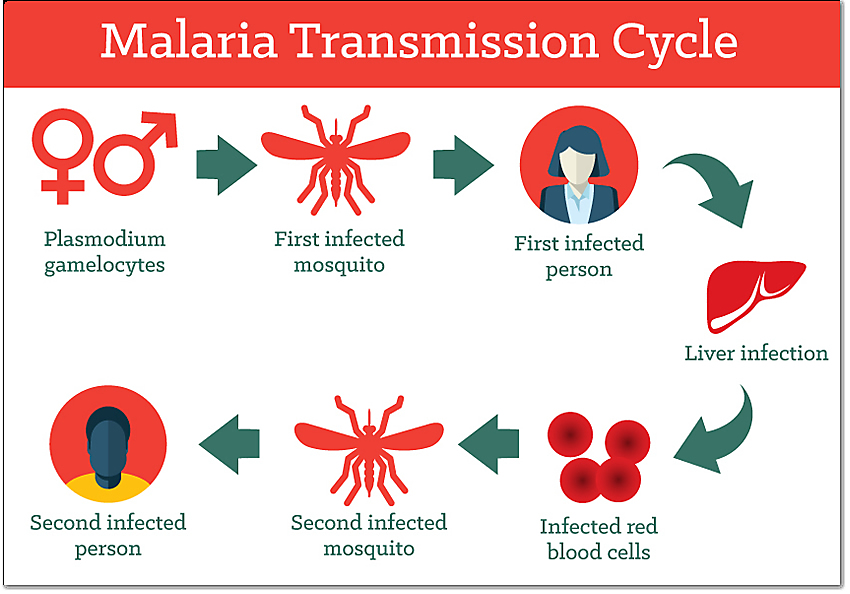
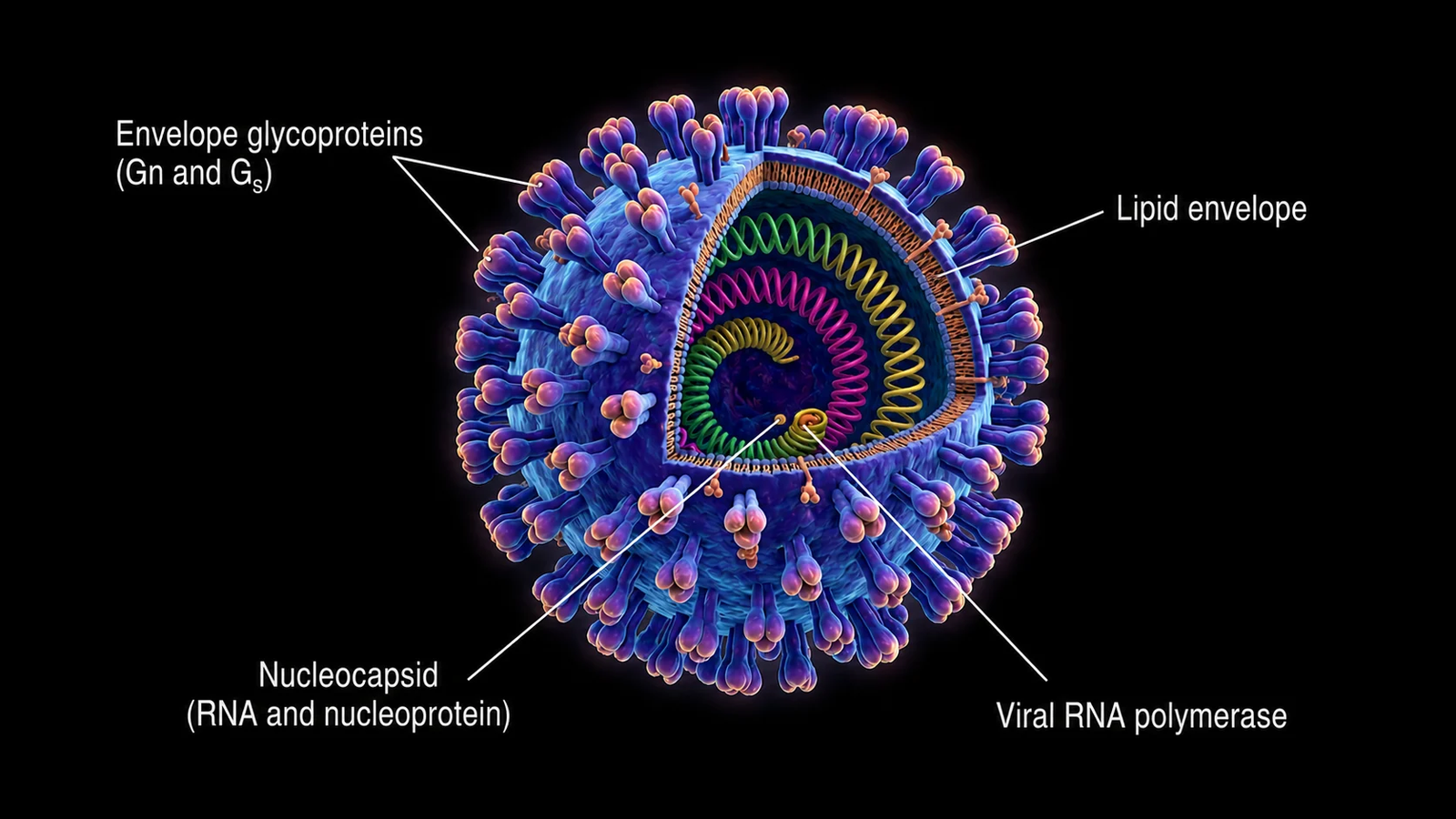
Chikungunya fever is caused by the Chikungunya Virus (CHIKV), which is an RNA virus classified in the genus Alphavirus within the family Togaviridae. The virus is primarily transmitted to humans through the bite of infected Aedes mosquitoes, mainly Aedes aegypti and Aedes albopictus (Asian tiger mosquito). These mosquitoes are day-biters and play a key role in spreading the virus to people.
The Chikungunya virus has three main genotypes: West Africa, East/Central/South Africa, and Asian.
B) The Origin Of The Chikungunya Virus Traces Back To Africa
Specially in the East African region, the virus was first identified in 1952 in Tanzania, with the initial clinical & virological discovery happening in 1953 when the virus was isolated from febrile patients and the Aedes aegypti mosquito.
C) Early Animal Hosts and Transmission History
Natural Reservoir
The virus is believed to have an enzootic cycle in African wildlife, which serves as early natural hosts for the virus.
Switch to Human Transmission
Over time, mutations in the virus, such as the A226 mutation in the E1 glycoprotein, enhanced its ability to infect Aedes albopictus, allowing the virus to spread more efficiently from mosquitoes to humans.
D) Magnitude of the Problems
The magnitude of the Chikungunya problem is significant and expanding globally, with an estimated annual burden of approximately 14.4 million infections worldwide, potentially reaching up to 34.9 million in some scenarios. Southeast Asia, Africa, and the Americas bear the highest disease burden, with India facing the heaviest long-term impact due to its population size and favorable conditions for transmission.
Chikungunya is an acute febrile illness with severe joint pain, and a significant proportion of patients develop chronic sequelae, such as persistent arthritis and disability, contributing to a substantial chronic disease burden representing about 54% of the total impact. The disease affects all age groups, with particularly severe outcomes and mortality observed in neonates, infants, the elderly, and individuals with comorbid conditions. Outbreaks continue to affect urban & periurban areas globally, with more than 120 countries. Recent years have seen large outbreaks in regions such as South America, Southeast Asia, & parts of Africa, placing substantial strain on public health systems.