



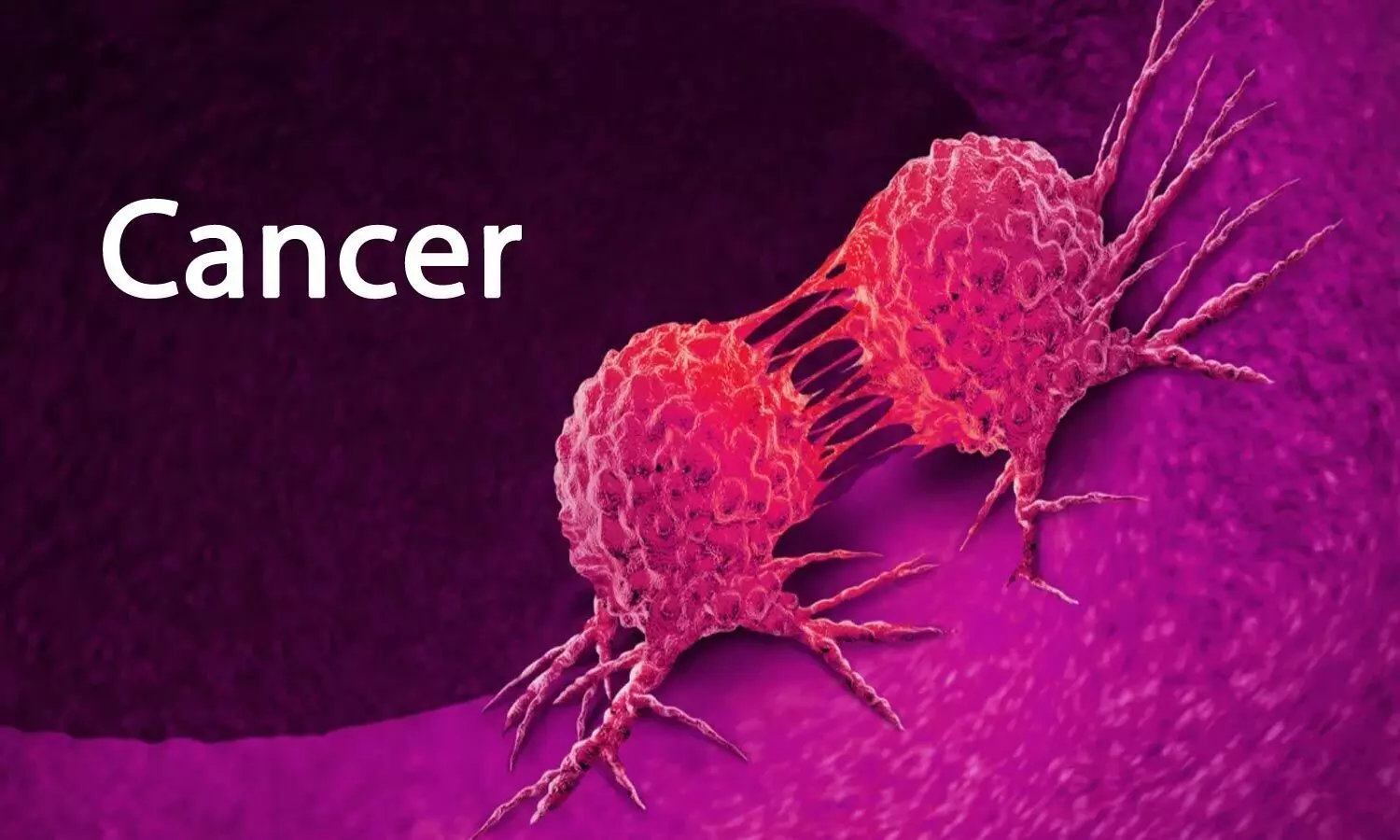
Cancer is a complex group of diseases characterized by uncontrolled cellular growth and the potential to invade or spread to other parts of the body. Understanding the structural differences between benign and malignant tumors, recognizing key symptoms, and identifying the major cellular types are critical steps for early detection and successful treatment.
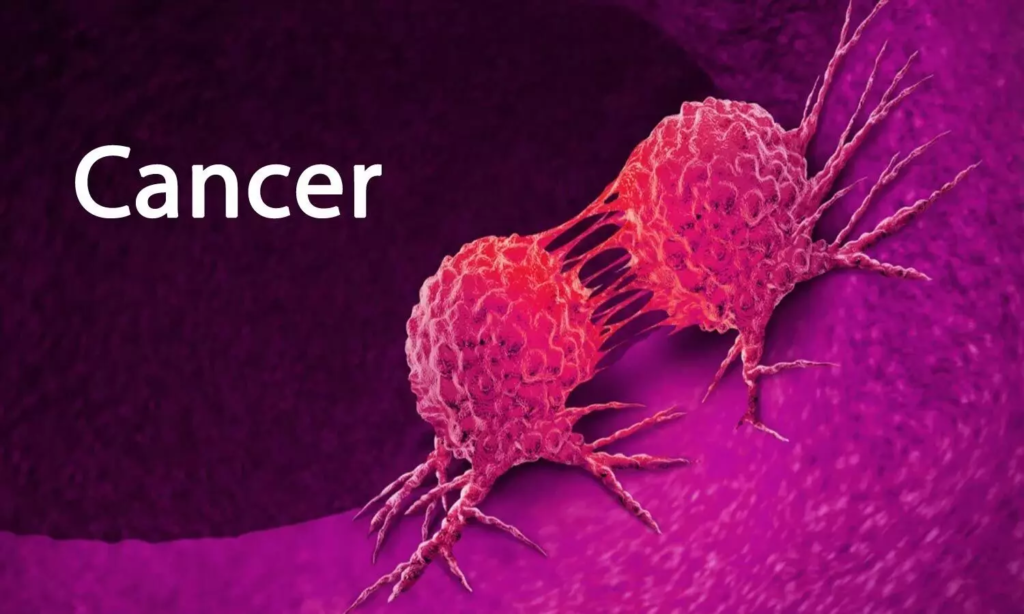
A common definition from the National Cancer Institute states, “Cancer is a disease in which some of the body’s cells grow uncontrollably and spread to other parts of the body.” This contrasts with benign tumors, which do not invade or metastasize.
📌 Key Takeaways: Understanding Cancer & Cellular Types
- Core Definition: Cancer is a broad category of diseases defined by genetic mutations that cause uncontrolled cellular proliferation and malignant invasion into surrounding tissues.
- Malignant vs. Benign: Unlike benign tumors, which grow slowly and remain strictly encapsulated, malignant tumors are unencapsulated, grow rapidly, and have the ability to metastasize via blood or lymph.
- 5 Primary Categories: Malignances are classified by their tissue origin into Carcinomas (epithelial), Sarcomas (connective), Leukemias (blood-forming), Lymphomas (immune system), and CNS cancers (brain/spinal cord).
- Critical Warning Signs: Universal red flags requiring immediate medical screening include unexplained weight loss exceeding 10 lbs, chronic fatigue, persistent low-grade fevers, and localized structural lumps.
Biological Characteristics
Cancer arises from genetic mutations disrupting normal cell regulation, leading to hallmarks like sustained proliferation, evasion of cell death, and angiogenesis (new blood vessel formation to feed tumors). Cells transform through accumulated changes, becoming malignant.
Major Types
Carcinoma: From epithelial tissues, e.g., skin and organs.
Sarcoma: – From connective tissues, e.g., bone and muscle.
Leukemia: Blood-forming tissues.
Lymphoma: Immune system cells.
What Are the Main Types of Cancer?
Cancer refers to a group of diseases involving uncontrolled cell growth. Here are some of the main types, grouped by common categories, with brief descriptions:
Carcinomas (From epithelial Tissues)
The most common type, 80% to 90% of cases, arises from epithelial cells lining organs and glands and includes adenocarcinoma and squamous cell carcinoma, like skin, lungs, and esophagus.
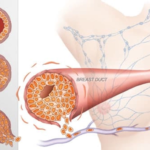
Breast Cancer: Starts in breast tissue cells; often detected via mammograms; affects women mostly but men too.
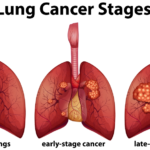
Lung Cancer: Originates in lung lining; strongly linked to smoking; includes non-small cell and small cell subtypes.
Prostate Cancer: – Develops in the prostate gland (men); usually slow-growing; screened via PSA tests.
Colorectal Cancer: Forms in the colon or rectum lining; linked to diet and polyps; preventable via colonoscopy.
Sarcomas (from connective tissues like bone and muscle)
These are rare cancers, 1% from mesenchymal tissues like bone, cartilage, fat, muscle, or blood vessels; examples include osteosarcoma (bone) and leiomyosarcoma (smooth muscle).
- Osteosarcoma: Bone cancer, common in children and teens; aggressive, often in long bones like the femur.
- Soft tissue sarcoma: sarcoma:-From fat, muscle, or blood vessels; rare, can appear anywhere in the body.
Leukemias (blood cancer)
Cancers of blood-forming tissues in bone marrow, leading to abnormal white cell overproduction.
- Acute lymphoblastic leukemia (ALL): – Rapid overproduction of immature white blood cells; hits kids most
- Chronic myeloid leukemia (CML):- Slow buildup of abnormal white cells; treatable with targeted drugs like imatinib
Lymphomas (lymphatic system)
Lymphomas affect lymphocytes, while multiple myeloma targets plasma cells producing antibodies; both disrupt immune function.
- Hodgkin lymphoma: Cancer of lymph nodes; Reed-Sternberg cells are the hallmark; highly curable.
- Non-Hodgkin lymphoma: A diverse group affecting lymphocytes; varies from indolent to aggressive.
Central Nervous System Cancers
Gliomas (from glial cells) and meningiomas originate in brain/spinal cord tissues and are often aggressive due to the blood-brain barrier.
- Glioblastoma: An aggressive brain tumor from glial cells; fast-growing and hard to treat.
- Meningioma: From brain/spinal cord membranes; often benign but can be malignant.
Cancer encompasses over 100 distinct diseases classified primarily by the tissue or cell type from which they originate, with malignant cells capable of invading nearby structures and metastasizing. Early detection via screening improves outcomes.
What Is the Difference Between Benign and Malignant Tumors?
Benign and malignant tumors differ fundamentally in their cellular behavior, genetic alterations, growth patterns, and potential to harm the body.
Growth and Structure
- Benign tumors grow slowly with well-defined borders and organized cells resembling normal tissue; they remain encapsulated, compressing but not invading surrounding structures.
- Malignant tumors expand rapidly with irregular, infiltrative edges, disorganized anaplastic cells that lack differentiation, and fewer cell-to-cell connections.
Invasion and Metastasis
- Benign tumors stay localized without invading nearby tissues or spreading via blood/lymphatics and are often curable by surgical removal.
- Malignant tumors invade adjacent areas and metastasize distantly, forming new tumors through angiogenesis promotion and immune evasion.
Genetic Basis
- Benign tumors typically arise from 2 to 3 mutations, retaining some regulatory controls
- Malignant ones accumulate 4+ key mutations (e.g. in tumor suppressors) plus progression mutations, disrupting apoptosis, proliferation, and DNA repair
What Are the Common Warning Signs and Symptoms of Cancer?
Common symptoms suggesting cancer presence include unexplained weight loss (over 10 pounds), loss of appetite, extreme tiredness, night sweats, recurrent fever, persistent fatigue, lumps or swelling, and abnormal bleeding, though these can stem from other causes and require medical evaluation.
FAQ
Q: Can a benign tumor turn into cancer?
Most benign tumors do not transform into malignant cancer, though certain types (like specific colon polyps) require monitoring or removal as they carry a risk of becoming precancerous over time.
Q: What does metastasis mean?
Metastasis is the process where cancer cells break away from the primary tumor, travel through the blood or lymphatic system, and form new tumors in distant organs.