Blog

Diabetes
Non Communicable Diseases

Diabetes—Types, Symptoms & Management

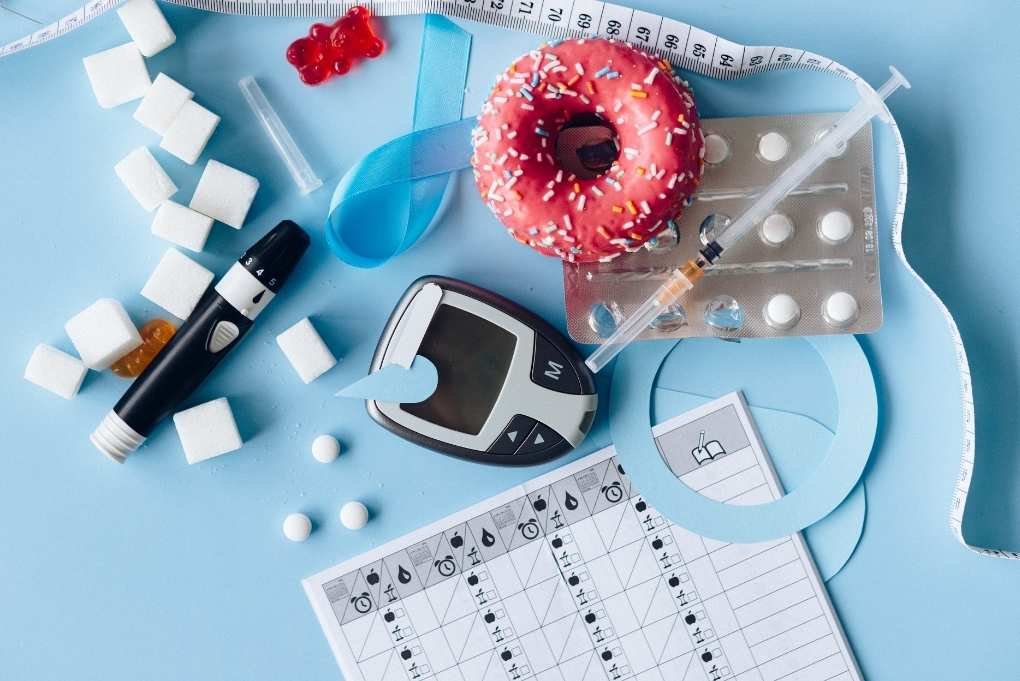
Diabetes is a disease in which the body does not produce or properly use the hormone insulin. The body needs insulin to convert sugar, starches, and other foods into energy. Impairment of insulin secretion and action in the body leads to abnormally elevated levels of glucose in the blood, a condition classically termed as diabetes. […]

Communicable Diseases

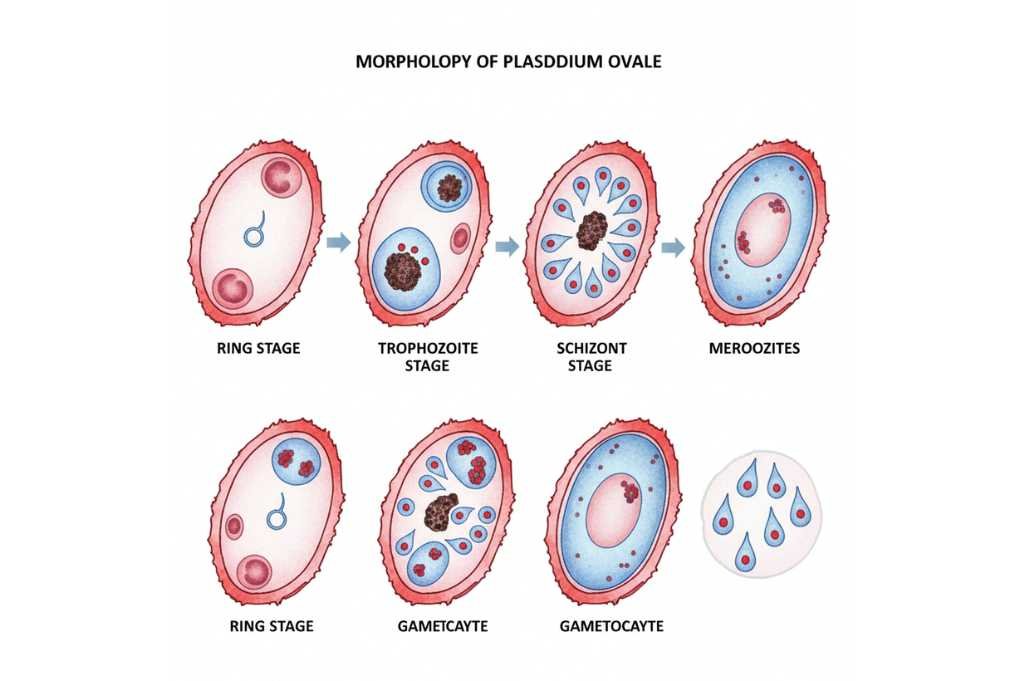
Morphology of Plasmodium Ovale

Plasmodium ovale is a species of malaria first described in 1914 by Stephens from a blood sample taken from a patient in Pachmarhi, Madhya Pradesh, India, during the autumn of 1913. It was initially confused with P. vivax (Pv) due to its tertian fever pattern (temperature returns every 48 hours) and morphological similarity. It was […]

Communicable Diseases

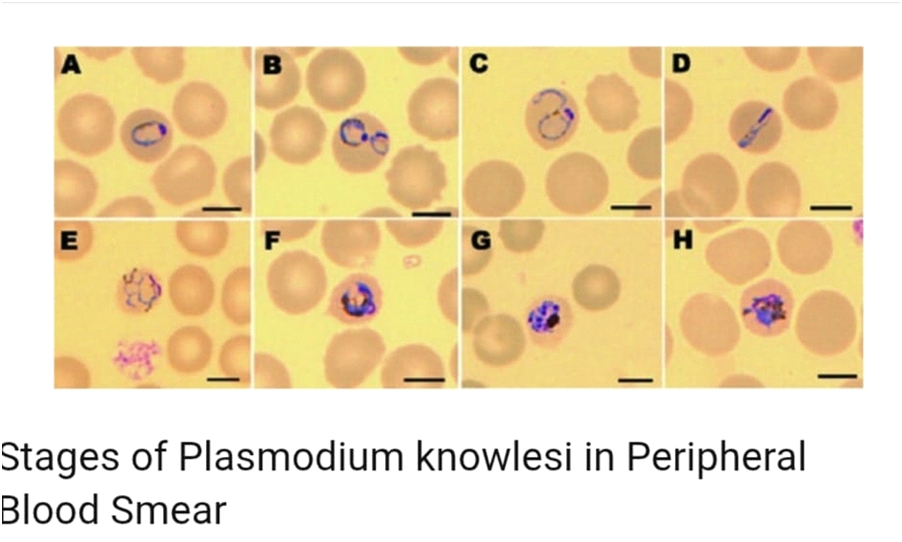
Morphology and Characteristics of Plasmodium knowlesi

Morphology and Characteristics of Plasmodium knowlesi The parasite Plasmodium knowlesi was first described by the Italian physician Giuseppe Franchini in 1927. He noted that this parasite was distinct from others found in the blood of the long-tailed macaque. The parasite was clearly observed again in 1931 in a long-tailed macaque by H.G.M. Campbell in Calcutta, […]

Communicable Diseases

Sexual Cycle of the Malaria Parasite

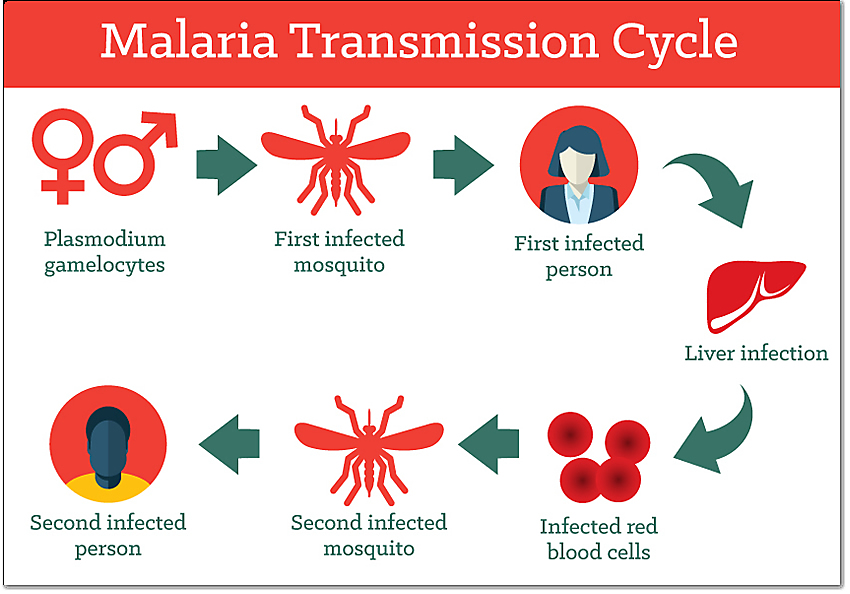
The sexual cycle of the malaria parasite begins when the Anopheles mosquito vector sucks the blood of an infected human (a gametocyte carrier). The mosquito takes in all stages of the malaria parasite during this blood meal. However, except for the gametocytes, all the remaining stages, including the ring stage, trophozoites, and schizonts, are digested […]

Communicable Diseases

Morphology of Plasmodium Malariae

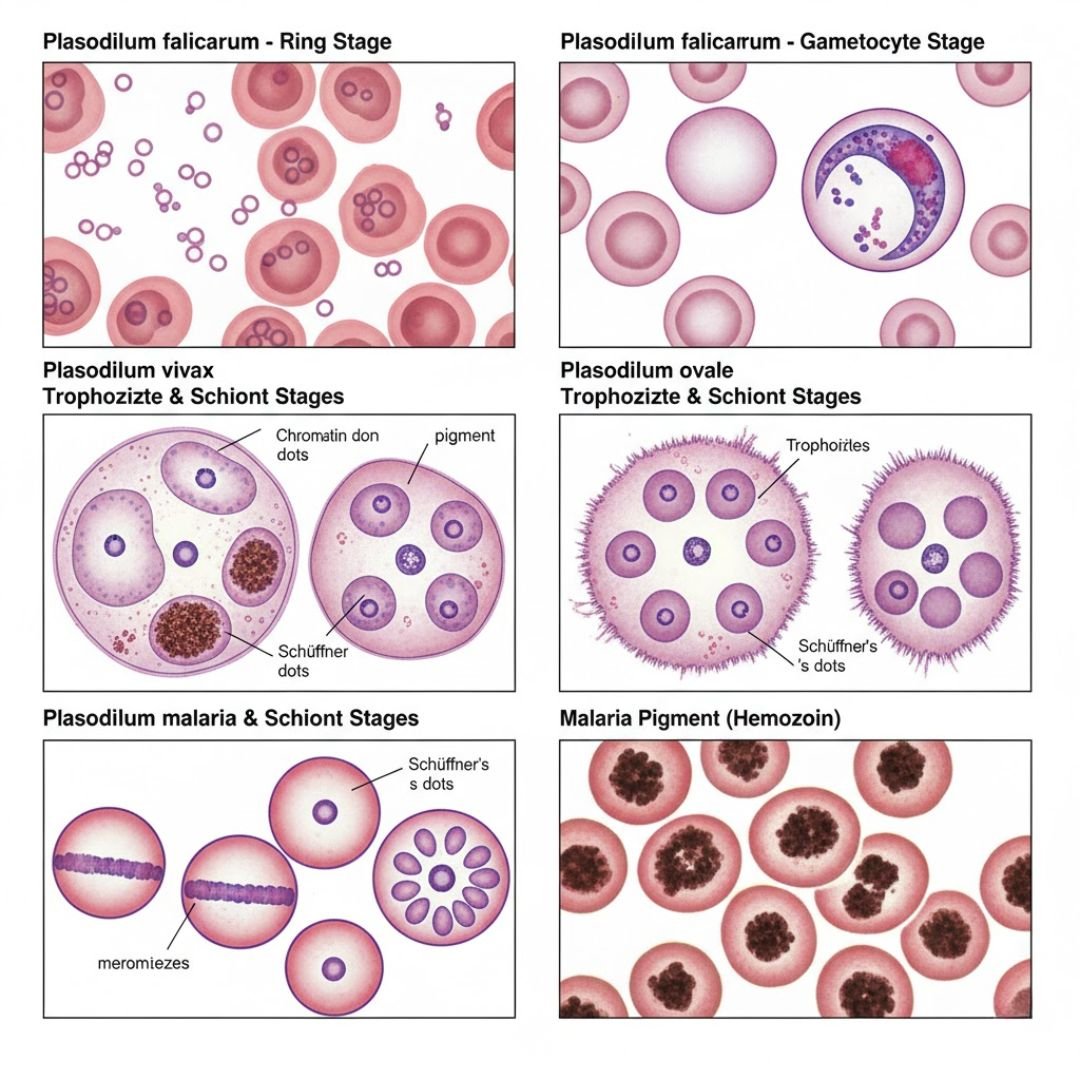
Morphology of Plasmodium Malariae This parasite was discovered by Laveran in the year 1881. It produces quartan malaria in humans. Quartan malaria means the fever comes after every 72 hours. The following stages are found in P. malariae: 1) Ring (Young Trophozoite) 2) Trophozoites 3) Mature Schizont 4) Male Gametocyte 5) Female Gametocyte Infected RBC

Communicable Diseases

Morphology of Plasmodium Falciparum

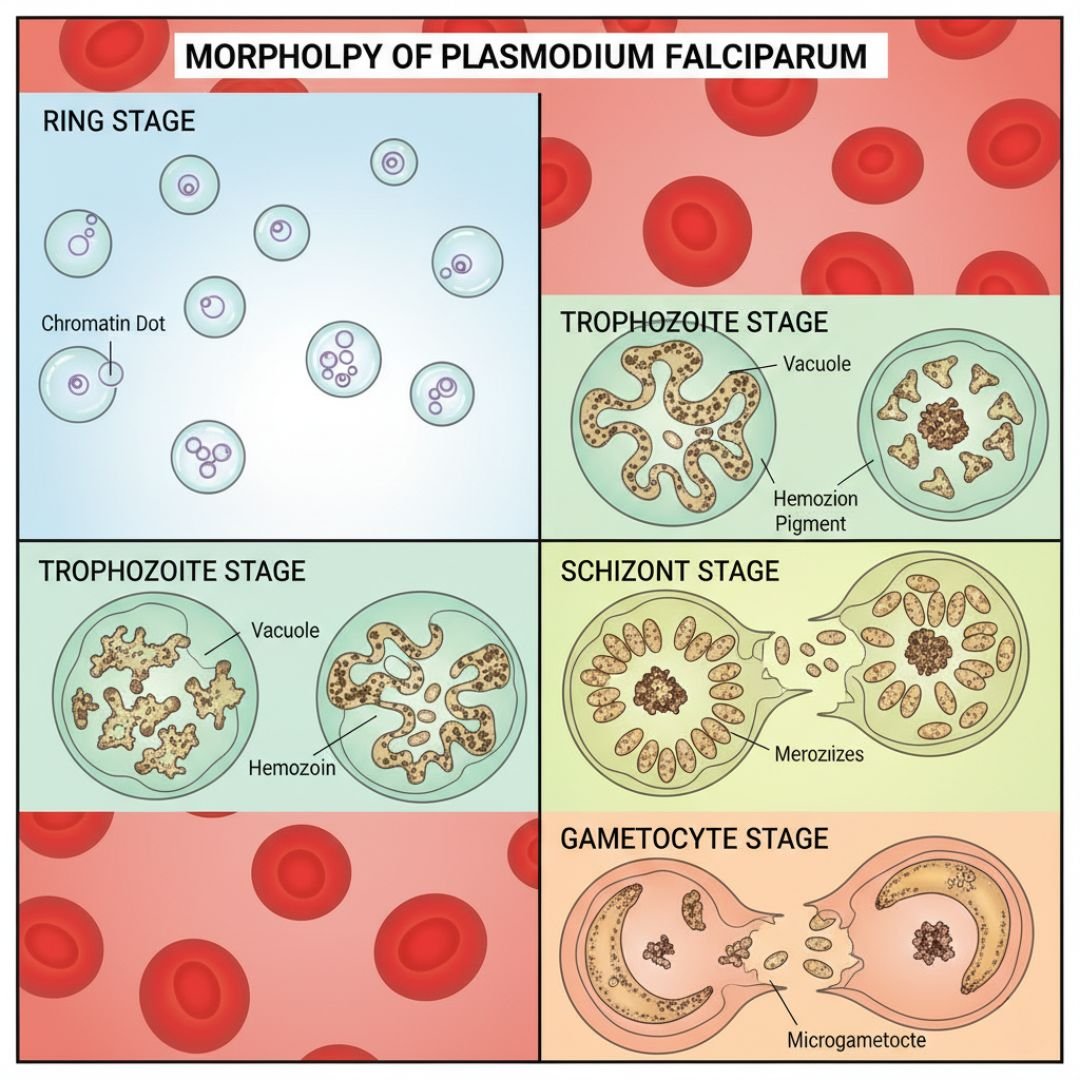
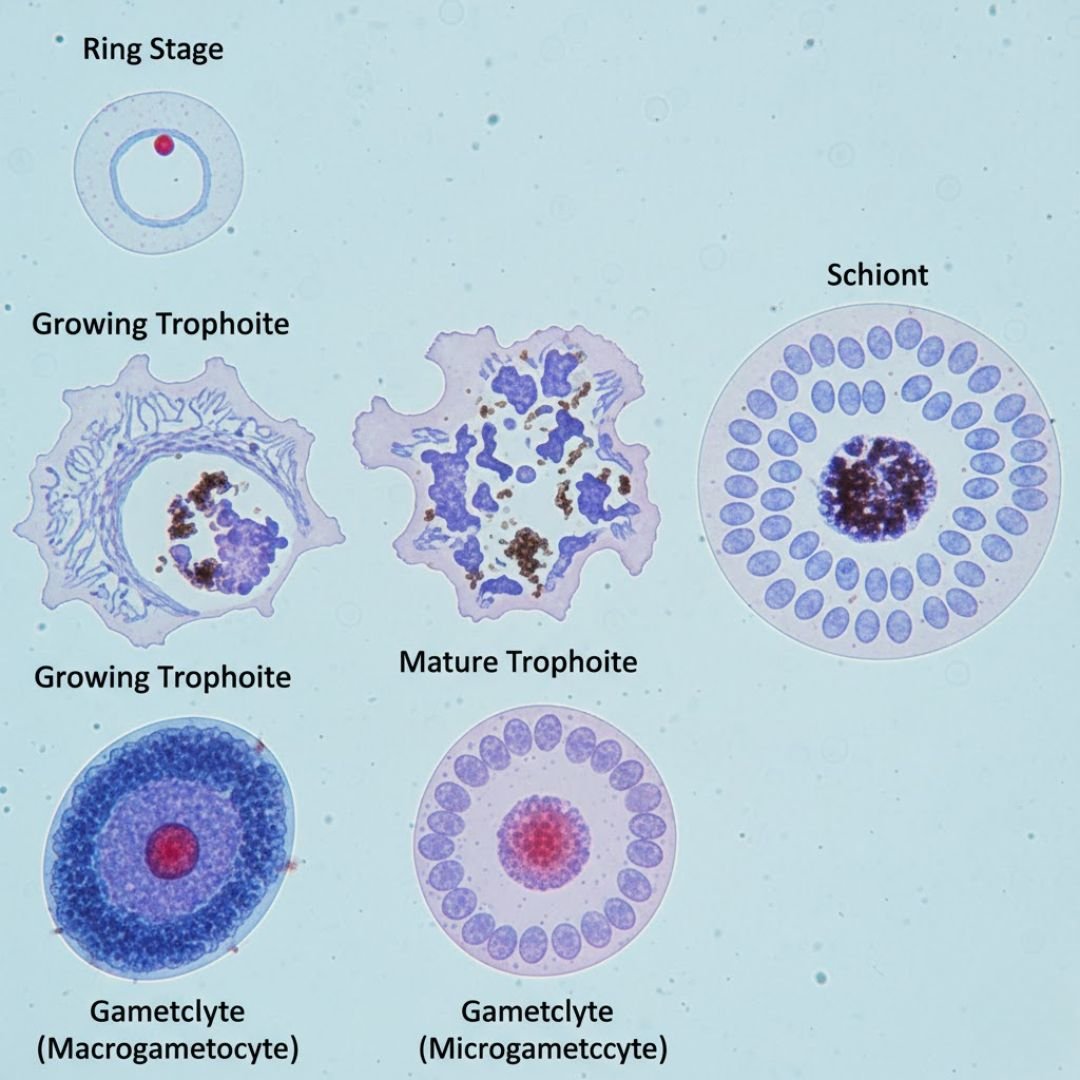
Morphology of Plasmodium Falciparum Plasmodium falciparum was discovered by Welch in 1897. It is found only in human beings. It is also called malignant tertian malaria or pernicious malaria. In P. falciparum infection, the commonest asexual forms of the parasite detectable in peripheral circulation are rings, gametocytes, and sometimes early trophozoites. Multiple infections may occur, […]

Communicable Diseases

Morphology of Plasmodium Vivax

Morphology of Plasmodium Vivax This parasite was discovered by Grassi and Feletti in 1890. The name “vivax” was given to the species because of its amoeboid nature. P. vivax causes a disease in humans called benign tertian malaria. This parasite shows a greater tendency to invade younger red blood cells (RBCs). There are mainly four […]

Communicable Diseases

Recognition and Features of Malaria Parasites

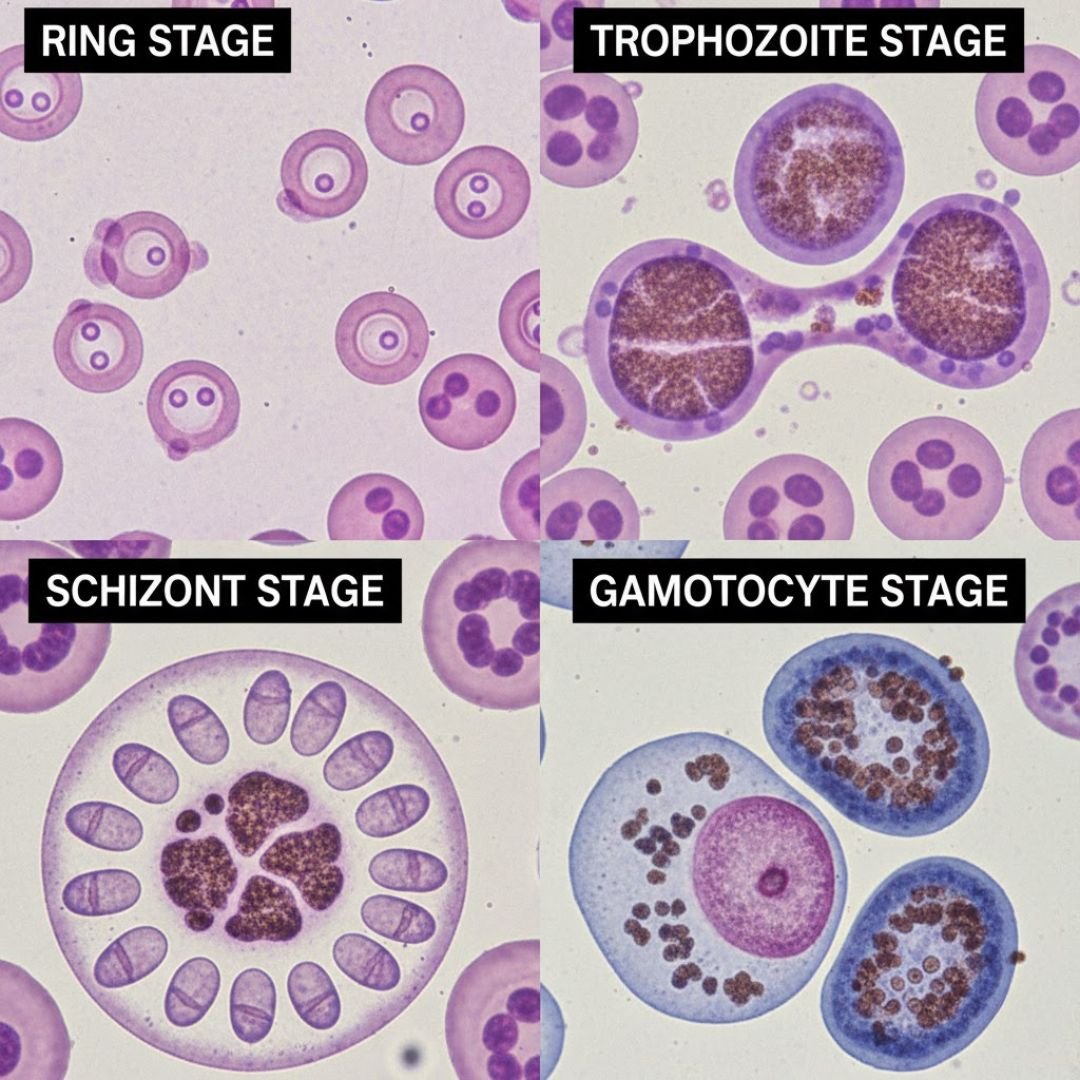
Recognition and Features of Malaria Parasites Malaria parasites take up JSB stain in a special way in both thick and thin blood films. You must be able to distinguish the various parts of the malaria parasites, or general features of Plasmodium, as shown in the diagram that follows. Malaria parasites pass through a number of […]

Communicable Diseases

Guidelines in Management of Severe (Complicated) Malaria

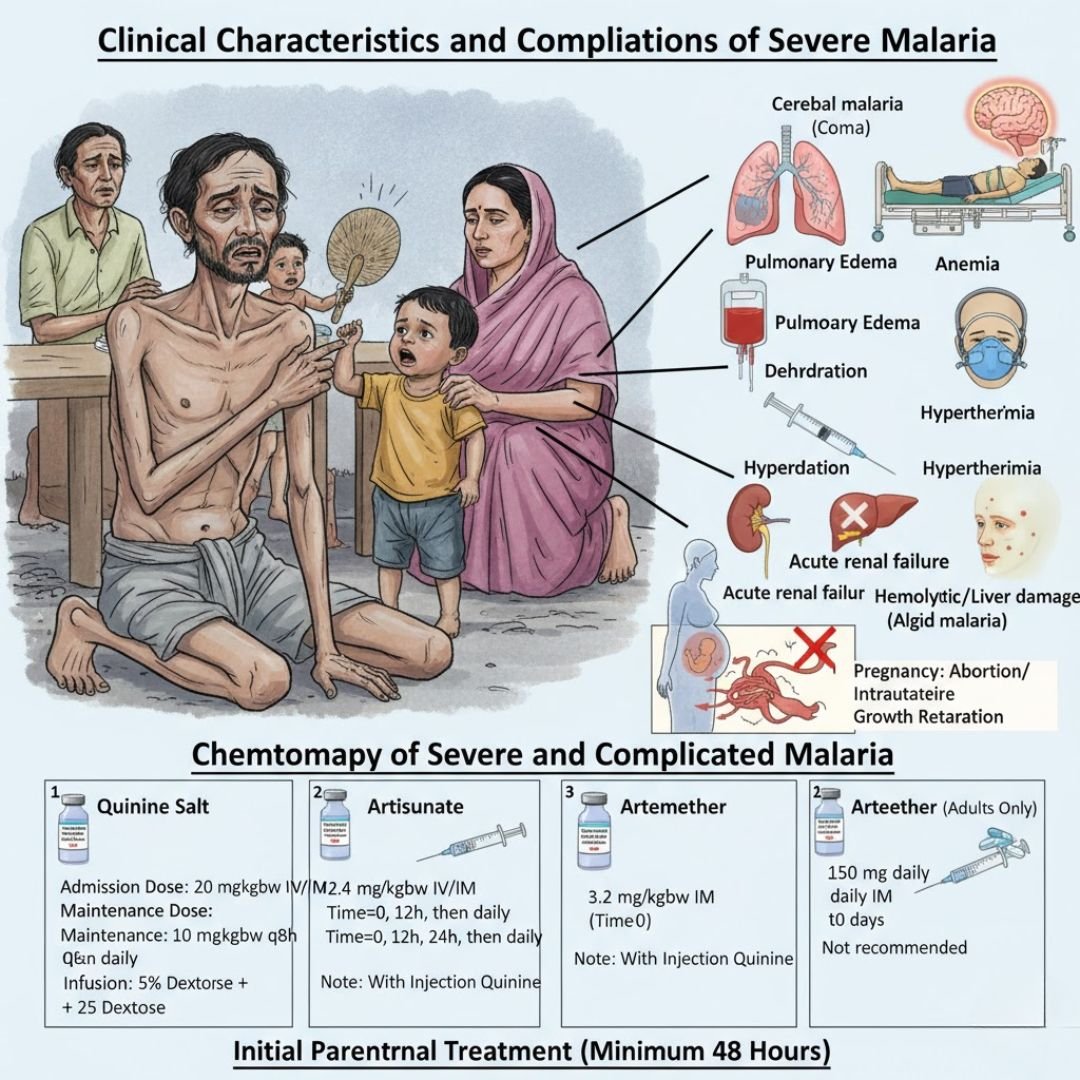
Clinical Characteristics and Complications Severe malaria is clinically characterized by confusion or drowsiness with extreme weakness (prostration). Complications that may develop due to P. falciparum infection include In children, febrile convulsions, repeated vomiting, and dehydration are common if the temperature is high, regardless of the cause. Therefore, these specific symptoms are not necessarily indicative of […]

Communicable Diseases

Treatment Types for Malaria

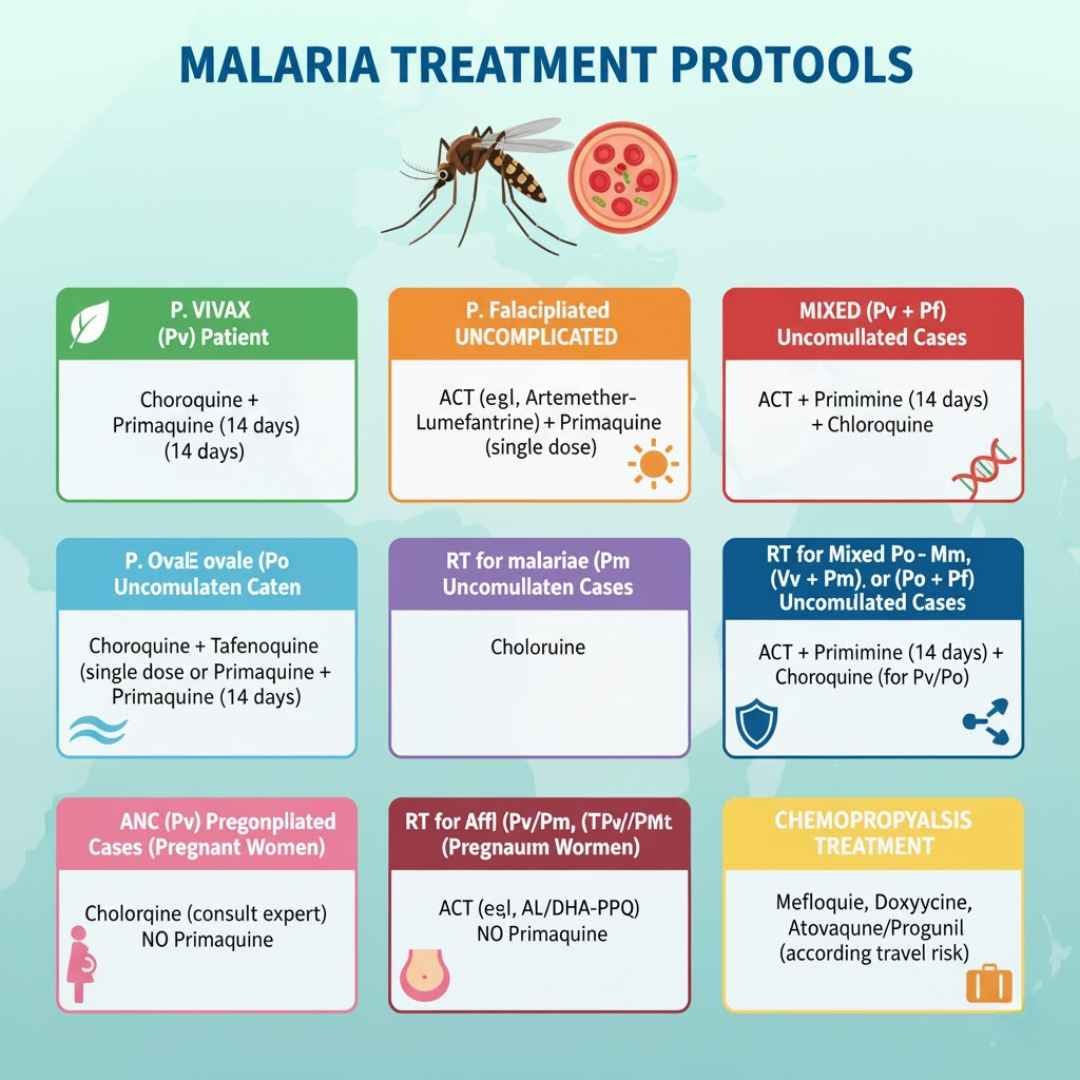
There are several types of treatment generally used in malarial cases. 1. Presumptive Treatment (Stopped) The policy in 2013 stopped the practice of presumptive treatment for malaria, which previously involved giving all fever cases a single dose of chloroquine tablets, according to an age-wise schedule, at the time of blood smear (BS) collection. 2. Condensed […]

About Us

Health Care Guruji is an educational health information website that explains medical and public-health topics

Email Us: healthcareguruji@gmail.com

Contact: +91 1234567890

Sign Up for Our Newsletter

Subscribe to our newsletter to get our newest articles instantly!

Health Care Guruji  @2026. All Rights Reserved.