

Syphilis is a bacterial sexually transmitted infection (STI) caused by Treponema pallidum, progressing through stages if untreated.
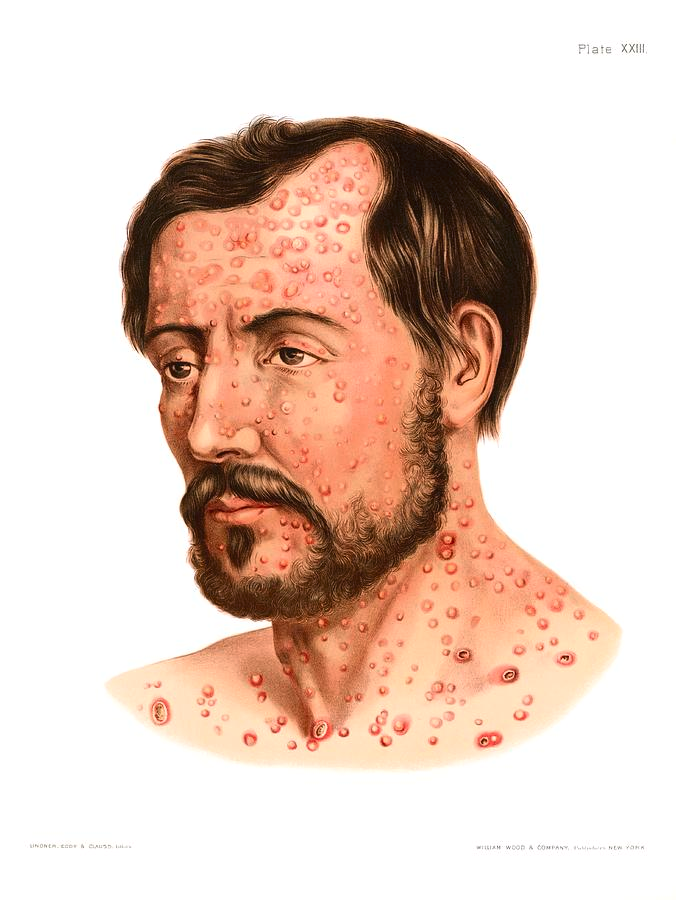
Definition
Syphilis is a systemic bacterial infection primarily spread through sexual contact, capable of causing severe organ damage if not treated early.
Causes
It is spread via vaginal, anal, or oral sex; from mother to baby during pregnancy (congenital syphilis); or rarely through blood transfusions or broken skin contact with sores.
Main Types
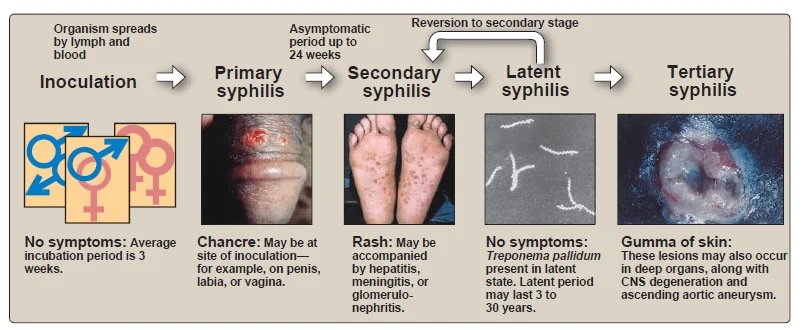
Primary: Initial chances soar.
Secondary: Rash and flu-like symptoms.
Latent: No symptoms, but infection persists.
Tertiary: Severe organ damage like heart, brain, and eyes.
Symptoms
The primary stage shows painless sores (chancres) on genitals, in the mouth, or on the anus. Secondary includes rash, fever, swollen glands, and sore throat. Later stages cause neurological issues, blindness, or heart problems.
Diagnosis
Based on symptoms, sexual history, and blood tests detecting antibodies, darkfield microscopy for sores confirms bacteria.
Diagnostic Methods
Nontreponemal tests such as VDRL and RPR for screening
Treponemal tests such as FTA-ABS and TP-PA for confirmation
PCR or microscopy for early lesions.
Prevention Measures
Use condoms consistently; get regular STI screening, especially for pregnant women and high-risk groups; avoid sex with untreated partners.
Control Measures
Contact tracing by public health units, partner notification, outbreak responses with testing and treatment, and prenatal screening.
Treatment
Penicillin G injections (single dose for early stages, multiple for later); doxycycline or tetracycline alternatives for allergies. Early treatment cures and prevents transmission.
Standard Treatment For Syphilis in Pregnant Women
The standard treatment is benzathine penicillin G, administered as intramuscular injections based on disease stage.
Early Syphilis:
A single dose of benzathine penicillin G 2.4 million units IM.
Late Latent or Unknown Duration:
Three weekly doses of benzathine penicillin G 2.4 million units IM. (a total of 7.2 million units)
Penicillin Allergy:
Desensitization followed by penicillin treatment; no alternatives proven safe for pregnancy (doxycycline contraindicated). Penicillin is the only therapy proven to prevent congenital syphilis; treat partners and monitor titers post-treatment.
Public Awareness
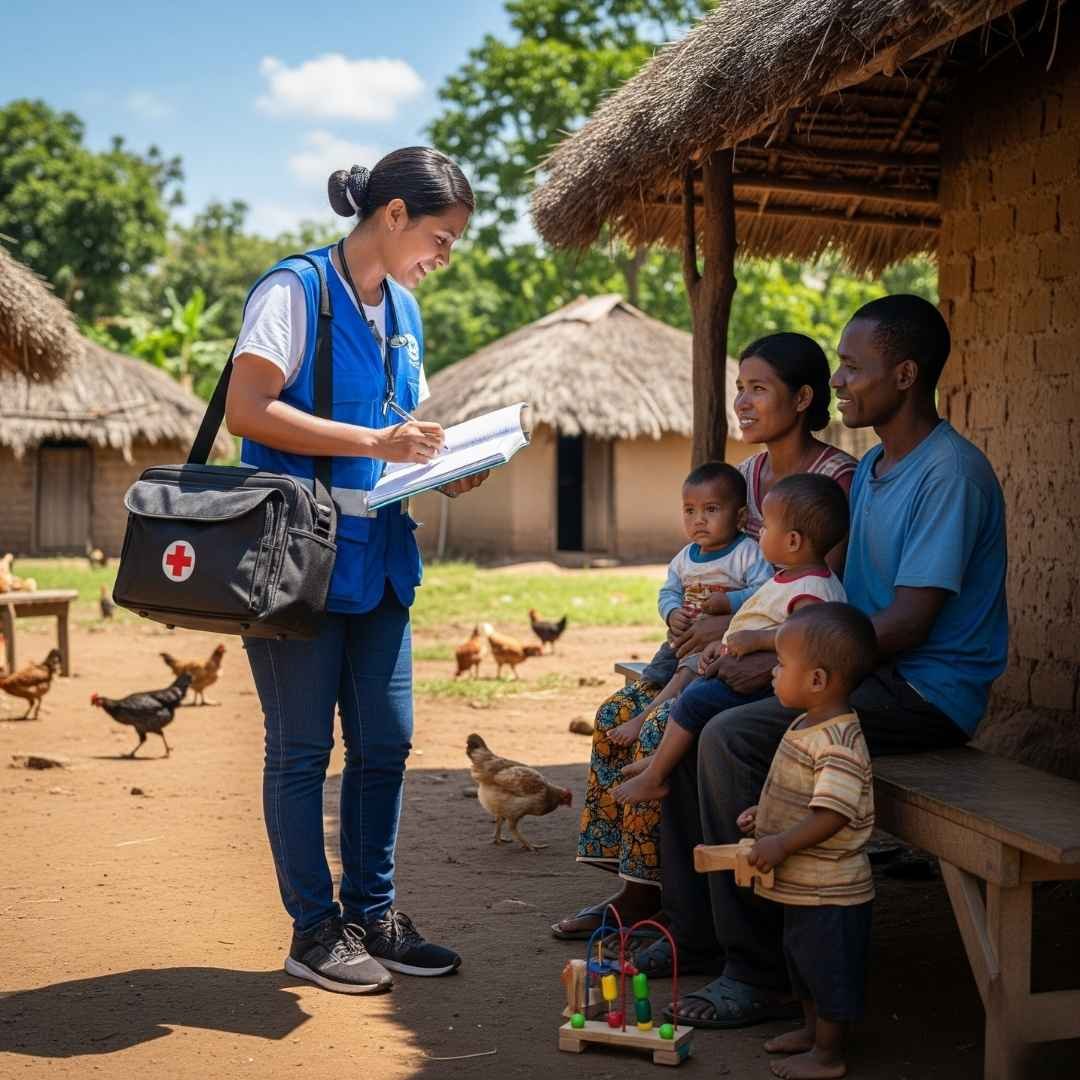
Campaigns educate on symptoms, testing, and stigma reduction to boost early detection.
Community Engagement
Co-design strategies with at-risk groups, e.g., MSM and pregnant individuals, and culturally tailored services and trust-building with communities.
IEC Materials
Information, education, and communication tools like posters and videos on symptoms and prevention are distributed via clinics and campaigns.
Role Of Public Health Department
Surveillance, case reporting, contact tracing, outbreak management, prenatal screening programs, and resource allocation.
Magnitude of Syphilis
Rising globally, especially among MSM and young adults; many cases are asymptomatic.
Global Burden
In 2021, global prevalence reached about 71 million cases, with 19 million new cases. WHO estimates 8 million new adult cases (15 to 49 years) in 2022; high congenital syphilis risk (50 to 80% adverse outcomes if untreated).
Indian Burden
High in urban areas, increasing congenital cases, targeted screening needed, data from national STI programs.
Maharashtra Burden
Urban hotspots like Mumbai and Pimpari Chinchwad have rising MSM and pregnancy cases; state health drives focus on testing.
Complications Of Untreated Syphilis
Untreated syphilis can lead to severe, potentially life-threatening complications across multiple organ systems if it progresses beyond early stages.
Cardiovascular Issues
Heart problems like aortic aneurysms, angina, heart failure, and blood vessel damage often emerge in the tertiary stage, years after infection.
Neurological Damage
Neurosyphilis causes brain inflammation, seizures, dementia, personality changes, memory loss, paralysis, tabes dorsalis (nerve degeneration), and meningitis.
Ocular and Sensory Problems
Eye damage leads to blindness; other issues include deafness, shooting pains, pins and needles, and joint degeneration.
Pregnancy Complications
Congenital syphilis risks miscarriage, stillbirth, newborn death, rashes, anemia, bone deformities, developmental delays, and organ inflammation.
Other Effects
Gummas (destructive tissue growths) on skin, bones, and liver; increased HIV and STI risk; and multi-organ failure, including liver, spleen, and bones.
Effects of Syphilis on Pregnancy and Newborns
Syphilis during pregnancy transmits from mother to fetus via the placenta, often leading to congenital syphilis with high risks if untreated.
Transmission Risk
Up to a 70% to 100% chance of crossing the placenta in untreated cases, especially after 18 weeks of gestation.
Pregnancy Effects
Untreated maternal syphilis causes miscarriage, especially after the first trimester; preterm birth, up to 2x risk; stillbirth in about 30% to 40% of cases; low birth weight; and placental issues like villitis or chorioamnionitis.
Newborn Complication
Babies may be asymptomatic at birth (70% of cases) but develop rashes, fever, snuffles (runny nose), jaundice, enlarged liver/spleen, anemia, bone deformities, nerve damage, meningitis, blindness, deafness, or multi-organ failure; risks peak with early infection. Survivors face developmental delays, seizures, or death shortly after birth; early prenatal screening and penicillin treatment prevent most harm.