
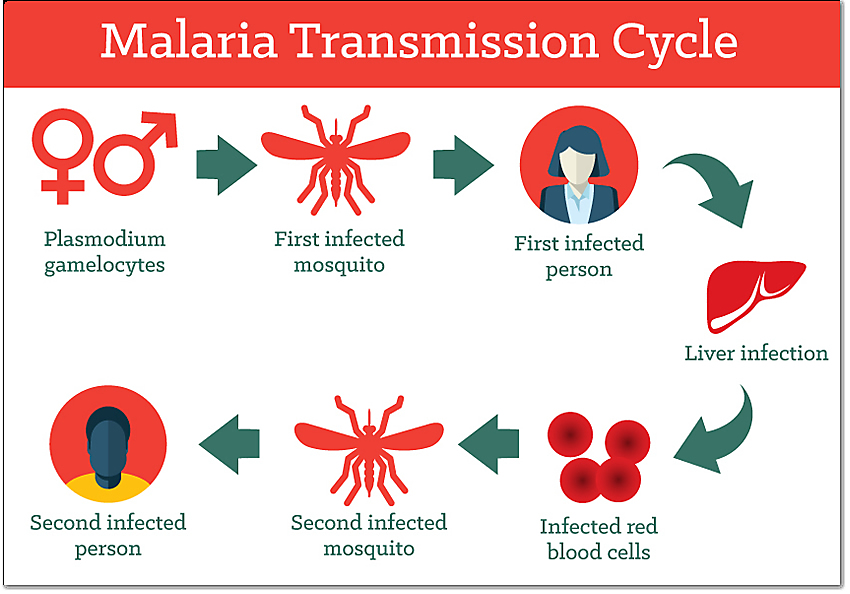
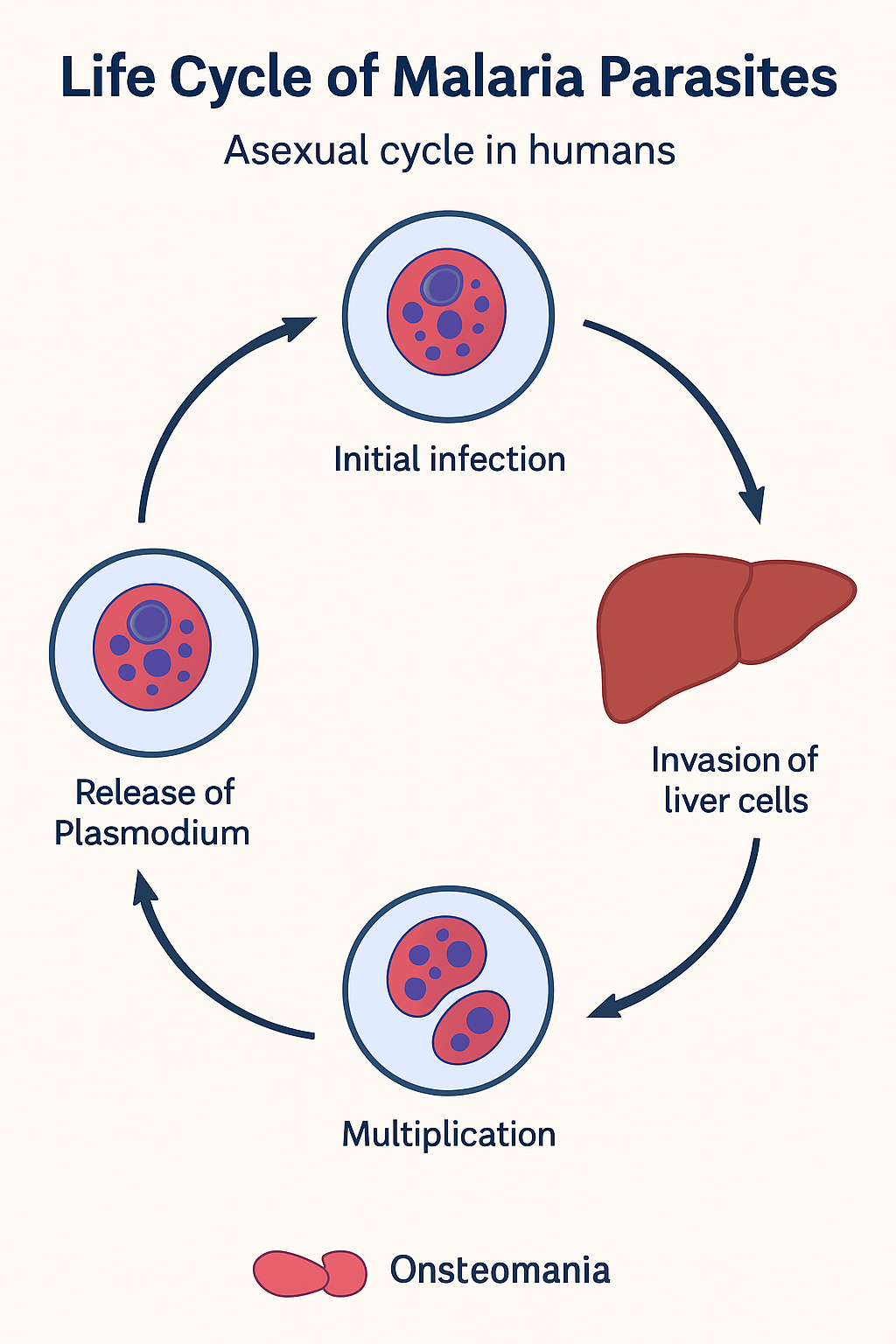



Vector Species Responsible for transmission of the Chandipura virus (CHPV) and their geographical distribution.
The primary vector species responsible for transmission of Chandipura virus (CHPV) are sandflies of the genus Phlebotomus. Phlebotomus papatasi and other species are well adapted to hot, dry regions and breed in organic-rich soil, animal burrows, and human dwellings.
Geographic Distribution of CHPV Vectors
Geographic distribution of CHPV vectors:
Phlebotomus vectors of CHPV are predominantly found across the Indian subcontinent in states such as Maharashtra, Andhra Pradesh, Gujarat, Madhya Pradesh, Rajasthan, Bihar & parts of Southern India. Sandflies in the genus Phlebotomus occur widely in tropical and subtropical regions of Asia, Africa, Europe, and parts of the Middle East, although the specific vector competency for CHPV is outside India.
Vector Transmission Dynamics
Vector transmission dynamics;
Sandflies become infected by feeding on viremic hosts, such as small mammals or possibly humans during outbreaks.
Vertical transmission (mother to offspring) in sandflies and horizontal transmission (between infected hosts and vectors) maintain the virus cycle in nature.
Sandflies transmit the virus to humans through bites, introducing the virus into the bloodstream, causing acute encephalitis in susceptible individuals.
There is no strong evidence confirming any mosquito species as competent vectors for CHPV. Most transmission evidence links CHPV primarily to sandflies, genus Phlebotomus, not mosquitoes.
Experimental infection studies with Aedes vitatus showed limited competence for CHPV but mainly focused on other viruses like Japanese encephalitis & West Nile virus.
Transmission of CHPV Virus Through Sandflies
Transmission of CHPV virus through sandflies:
CHP virus in sandflies (Phlebotomus papatasi) following intrathoracic inoculation. These infected sandflies transmitted the virus by bite to newborn mice. Eight percent of F1 progeny of experimentally infected female parents were infected with the CHP virus.
Sandflies are small insects, light or dark brown in colour. They are smaller than mosquitoes. They are 1.5 to 2.5 mm in length, with their bodies and wings densely clothed with hair.
Some 30 species of sandflies have been recorded in India. The important ones are Phlebotomus papatasii, Phlebotomus argentipus, Phlebotomus sergenti, and Sergentomiya punjabensis.
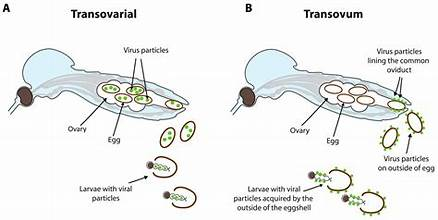
Image of Transovarial Transmission of CHP Virus Through Sandfly
Key Points About CHPV Transmission Through Sandflies
Key points about CHPV transmission through sandflies:
The virus undergoes replication within the sandfly vector, including vertical (transovarial) transmission, meaning infected female sandflies can pass the virus to their offspring. This maintains the virus within sandfly populations independent of vertebrate hosts.
Both male and female sandflies have been found to carry viral RNA, showing that vertical transmission contributes to maintaining infections in sandfly populations.
Humans are incidental hosts infected when bitten by infected sandflies, mostly in rural or peri-urban areas with poor sanitation and abundant vector breeding sites.
CHPV outbreaks in India are hence correlated with elevated sandfly populations during warm, humid monsoon and post-monsoon seasons.
There is no confirmed human-to-human transmission; the transmission cycle essentially involves sandflies as vectors and vertebrates (including humans) as hosts.
Vector control measures like insecticide spraying, reducing sandfly breeding sites, and the use of insect repellents, protective clothes, and bednets are critical to reducing transmission risk.
Venereal transmission between male & female sandflies has been observed, indicating infected males can transmit the virus to uninfected females during mating, contributing further to natural virus maintenance.
Phlebotomus species, especially Phlebotomus papatasi, were initially incriminated as vectors due to their abundance in outbreak areas and capability for both horizontal and vertical transmission of CHPV.
Sergentomyia species have recently been confirmed as significant vectors in India, particularly through molecular detection and virus isolation studies. Species like Sergentomyia babu, Sergentomyia bailyi, and Sergentomyia punjabensis were predominant in endemic regions such as Gujarat & Vidarbha, Maharashtra.
Molecular evidence shows CHPV RNA & virus isolation from both male and female Sergentomyia sandflies, indicating vertical transmission within sandfly populations and highlighting their epidemiological importance.