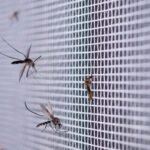



Prevention is better than cure. No drug or vaccine is available for the treatment of dengue/DHF. The control of the Aedes aegypti mosquito is the only method of choice. With early detection and proper case management and systematic treatment, mortality can be reduced substantially.
Main Principles of Treatment
- Rest, hydration, and monitoring are the core recommendations for uncomplicated dengue fever.
- Paracetamol (acetaminophen) is prescribed for fever and pain; avoid NSAIDs like aspirin & ibuprofen due to bleeding risk.
- Patients should drink plenty of fluids like water, soup, juice, and oral rehydration solutions to prevent dehydration.
- Monitoring for warning signs is essential during recovery, since severe dengue can develop rapidly after the fever subsides.
Care for Severe Dengue
- Hospitalization is required for severe dengue marked by plasma leakage, shock, and significant bleeding.
- Intravenous (IV) fluid resuscitation with isotonic crystalloids like normal saline or Ringer’s lactate is the first-line therapy for managing hypovolemia or shock.
- Fluid management is carefully titrated according to pulse pressure, urine output, and hematocrit levels to avoid fluid overload, which can lead to complications like respiratory distress or abdominal compartment syndrome.
- Blood transfusion may be required for severe bleeding or a profound drop in hematocrit.
Special Considerations
- Do not use corticosteroids or other immune-modulating drugs, as these do not improve outcomes.
- Close monitoring even after the fever subsides is crucial, as complications can arise during recovery.
- Watch for neurological symptoms (rarely observed), and manage according to specific diagnosis if they occur.
Important Dos
- Take prescribed paracetamol
- Drink plenty of fluids
- Rest and monitor for warning signs
- Seek medical help for complications.
Important Don’ts
- Do not take aspirin, ibuprofen, or naproxen.
- Avoid dehydration
- Ignore persistent vomiting, bleeding
- Delay seeking care for severe symptoms.
Dengue fever is mainly managed with supportive care, strict fluid balance, and prevention of complications. Always seek timely medical attention.
Best Fluids for Dengue Fever at Home
- Plain water: Essential to stay hydrated throughout illness
- Oral rehydration solution (ORS): Commercial or homemade with salt, sugar, and water to restore electrolyte balance
- Coconut Water: Natural electrolyte-rich fluid helpful for hydration and replenishing lost minerals
- Juices rich in vitamins: Lemon water, pomegranate juice, and papaya leaf juice are recommended for potential platelet support.
- Clear Broths or Soups: Provide fluids, nutrients, and calories to support recovery
- Buttermilk (Chaas) or Lassi: Helps maintain electrolyte balance and is gentle on the stomach
Home Care Guidelines
- Adequate rest is necessary to help the body fight infection and recover
- Monitor symptoms closely at home, especially watching for warning signs such as persistent vomiting, abdominal pain, bleeding, and lethargy—seek medical help immediately if these occur.
- Maintain a light, nutritious diet including fruits and cooked vegetables that are easy to digest, like bananas, carrots, pumpkin, and leafy greens.
Summary Table
| Sr. No. | Fluids Name | Benefits in Dengue fever |
| 1 | Plain Water | Hydration |
| 2 | Oral Rehydration Solution (ORS) | Electrolyte Balance |
| 3 | Coconut Water | Electrolytes and Hydration |
| 4 | Lemon Water | Vitamins & Antioxidants |
| 5 | Papaya Leaf Juice | May aid platelet count |
| 6 | Clear Broths or Soups | Fluids and Nutrition |
| 7 | Buttermilk (Chaas), Lassi | Electrolytes and Digestion aid |
Pain Relievers to Avoid in Dengue Fever
The best and safest pain reliever to use with dengue fever is paracetamol. It is recommended to control fever and relieve pain in dengue patients.
Aspirin and other salicylate drugs are avoided in dengue fever because of their blood-thinning effects that increase risk, which is dangerous in dengue fever due to thrombocytopenia and hemorrhagic tendencies.
Ibuprofen and naproxen also carry a risk of bleeding tendency and should not be used during dengue infection. It is still contraindicated.
Avoid any medication that might affect platelet function or increase bleeding risk.