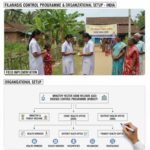


The World Health Organization (WHO) launched the Global Programme to Eliminate Lymphatic Filariasis (GPELF) in 2000, in response to a World Health Assembly resolution, to address LF as a public health problem. The GPELF aims to stop the spread of infection and alleviate suffering among patients.
LF Burden in India
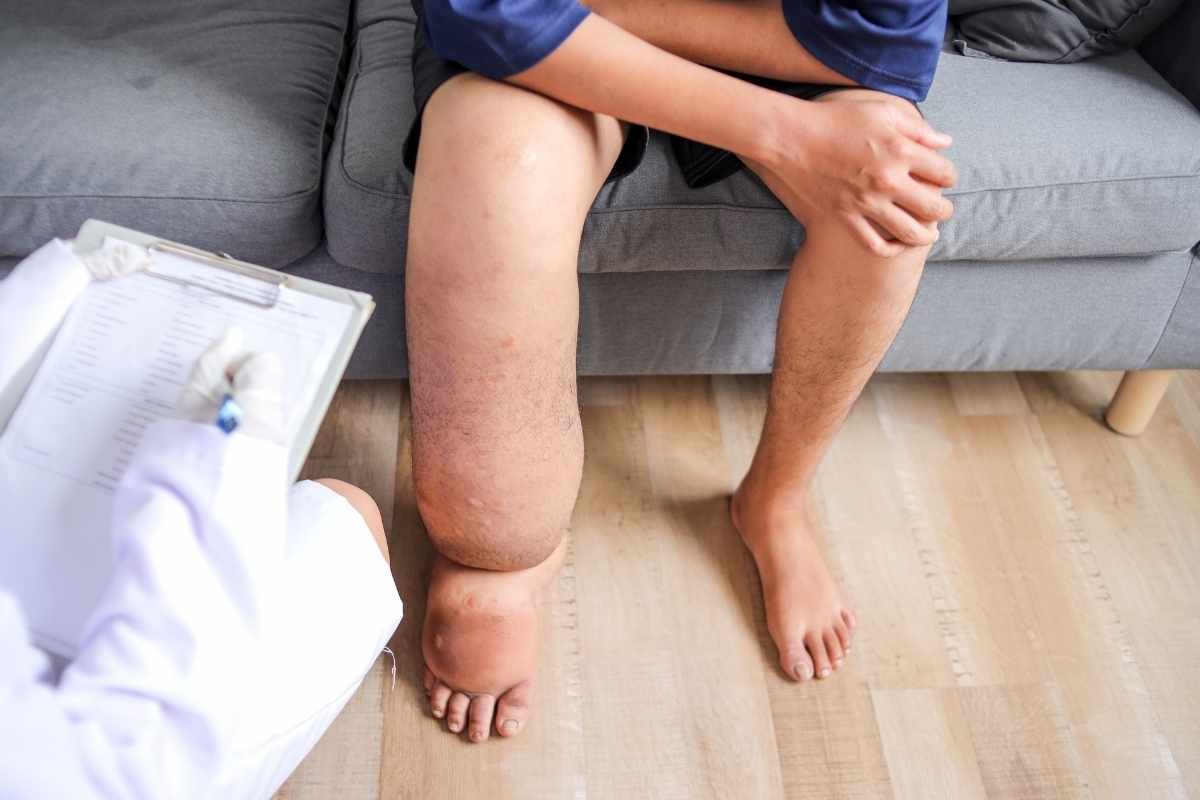
At present, 630 million people in 16 states and 5 Union Territories (UTs) are at risk of LF infection. There are a total of 256 LF endemic districts in the country. India is responsible for 40% of the global LF burden.Individuals affected by LF and their families suffer from the debilitating consequences of the disease, which often lead to loss of work and employment opportunities and increase out-of-pocket treatment costs.
Strategies for LF Elimination
The LF elimination strategy rests on two main pillars:
- Transmission Control: To interrupt transmission, all eligible beneficiaries are annually administered anti-filarial drugs (Ivermectin, Diethylcarbamazine (DEC), Albendazole).
- Morbidity Management & Disability Prevention (MMDP): This component is aimed at reducing the suffering attributed to the disability caused by lymphatic filariasis. These services include:
- Home-Based Management: Limb hygiene for lymphoedema.
- Hospital-Based Management: Surgical correction for hydrocele.
Triple Drug Therapy (IDA: Ivermectin, DEC, and Albendazole) is the recommended strategy by WHO to achieve the goal of LF elimination.
Rationale for Mass Drug Administration (MDA)
The concept of MDA is to approach every eligible individual in the target population and administer an annual single dose of anti-filarial drugs (Ivermectin, DEC, and Albendazole). The single annual IDA dose will eliminate the circulating and multiplying microfilariae (MF) in the target population and protect them against developing filariasis.All individuals more than two years old must be administered Triple Drug Therapy (Ivermectin, DEC, and Albendazole).
Dose Schedule for Triple Drug Therapy (IDA)
| Sr. No. | Age in years | Doses of DEC Tablet (100mg) | Albendazole (400 mg) |
| 1 | 2–5 yrs | 100 mg (1 tablet) | 400 mg (1 tablet) |
| 2 | 6–14 yrs | 200 mg (2 tablets) | 400 mg (1 tablet) |
| 3 | 15 & above | 300 mg (3 tablets) | 400 mg (1 tablet) |
| Sr. No. | Height in cm | Doses Ivermectin Tablet (3mg) | Number of tablets |
| 1 | 90–119 | 3 mg | 1 |
| 2 | 120–140 | 6 mg | 2 |
| 3 | 141–158 | 9 mg | 3 |
| 4 | 159 & more | 12 mg | 4 |
Precautions
- Triple Drug Therapy is not to be administered to children below 2 years of age, pregnant women, and seriously ill individuals.
- Children between 2–5 years of age are to be given only DEC and Albendazole.
- Children above 5 years of age will receive Ivermectin, DEC, and Albendazole.
- Children whose height is less than 90 cm but whose age is more than 5 years should not be given Ivermectin; they should only be given DEC and Albendazole.
- Beneficiaries should not consume Triple Drug Therapy on an empty stomach. Ensure that biscuits are readily available with the drug administrator to avoid drug intake on an empty stomach, as this will increase drug compliance.
- Ivermectin and DEC tablets should be swallowed with water.
- The Albendazole tablet should be chewed and consumed with water.
- The drug administrator should directly observe the beneficiary consuming the drugs. The drug should not be left with individuals or relatives for swallowing later.
Approach for Drug Administration
The IDA process involves the drug administrator reaching every eligible individual in the target community and observing them swallowing the Triple Drug Therapy. The effectiveness of IDA depends on the coverage of the eligible population and the actual consumption of the drugs. The consumption of the IDA tablets by more than 85% of the population is the most crucial aspect for the program to achieve success.
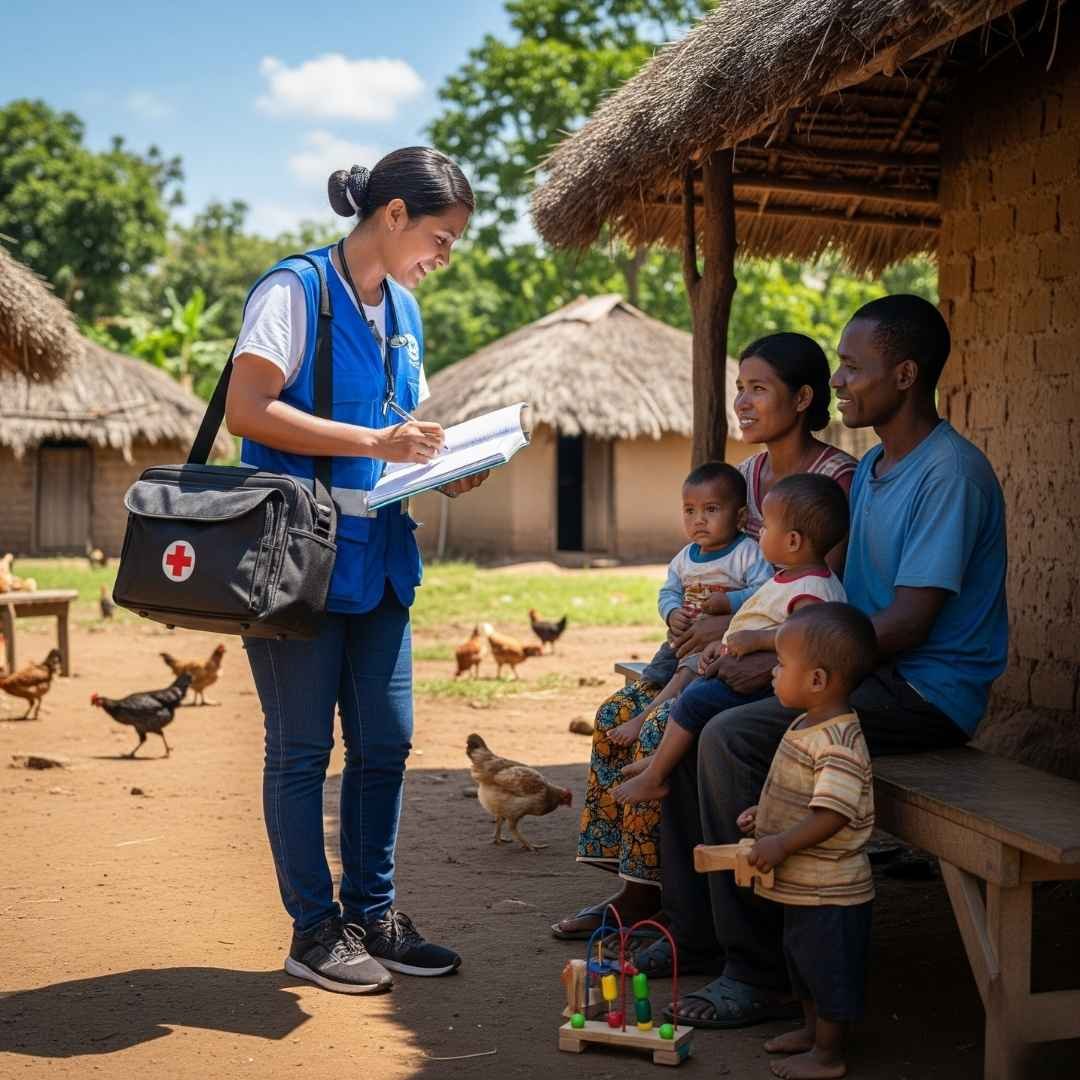
The recommended approach, based on experience, is supervised drug administration by door-to-door visits, supplemented with drug administration at booths. Drugs should be administered for only one day, and “mopping” (follow-up) should be done for the next three days. Every village must be provided with a drug administrator.
There are a large number of drug delivery strategies, such as:
- House-to-house administration, recording details in a prescribed booklet or format provided by the government.
- Booth administration. The booths should not be located more than one kilometer walking distance away from the community.
- Administration to special population groups in places like schools, hospitals, offices, industries, prisons, and market places. Schools could be visited during lunch recess or any other suitable time.
Community aggregations like developmental projects, market areas, bus stands, railway stations, fairs, agriculture fields, program halls, police stations, etc..
The local program manager should adopt a suitable drug delivery strategy in consultation with community leaders and school teachers to achieve high drug intake.
Drug Dosage Calculation
The dose of Ivermectin will be calculated based on the beneficiary’s height, and the doses of DEC & Albendazole will be based on their age. Height is to be measured using a dose-pole
Critical Areas
The following critical areas require focused attention to implement the IDA program:
- Mobilization of adequate human resources who must be trained for drug administration as per the streamlined age-wise and height-wise drug schedule. These resources should be motivated to consume IDA themselves, who will in turn motivate others.
- Accurately estimate the quantity of drug needed at each level, place the indent with respective responsible offices well in advance, and then distribute the drug to peripheral areas where the IDA program should start.
- Plan and implement Information, Education, and Communication (IEC)/Behavior Change Communication (BCC) activities.
Sequence of Questions to be Asked by the Drug Administrator
Sequence of Questions to be Asked by the Drug Administrator
- Greeting and Introduction: “I have come on behalf of the health department to provide you with drugs that will protect you from Filaria disease. You are at risk of developing elephantiasis, as you may have the parasite for filaria in your blood. That is why the government of India is providing a combination of 3 drugs to be consumed once a year to protect you from developing elephantiasis. Your participation will help yourself as well as our country to eliminate this disease.”
- Family Information: “Please tell me how many families live in this house.” Then, take down the details of all members (even children 2 years and less) of each family separately.
- Exclusion Criteria: Carefully note down information about children less than 2 years, pregnant women, and seriously ill persons, as they are not to be administered drugs.
- Absent Members: Enquire about any family members who have gone out and record their details.
- Drug Administration:
- Measure the height of the beneficiary and give the required dose of Ivermectin.
- Based on the age, give the required dose of DEC and Albendazole.
- Explain that the TWO small white tablets (Ivermectin & DEC) are to be swallowed, and the Big white tablet (Albendazole) needs to be chewed and then swallowed with water.
- Observe the beneficiary swallow the drugs.
- Side Effects Information: After administration, inform the head of the family and adults that there might be some minor side effects like nausea, vomiting, fever, muscle pain, headache, abdominal pain, or rashes due to the action of the drugs on the parasite in the body. Ask them to inform the drug administrator about such reactions.
- Morbidity Management Referral: Seek information about any cases of hydrocele or lymphoedema in the family or neighborhood. Take down the details of such patients and report them to the Medical Officer (MO) of the Primary Health Centre (PHC) or Community Health Centre (CHC) for further morbidity management.
- Closing: Say thank you for their participation and tell them that the administrator will come again next year for administering the drugs.
Measuring the Height of the Beneficiary
The beneficiary will be asked to stand erect on both feet with their back against the height scale. The drug administrator will ensure that the scale is held upright and the back and buttocks of the beneficiary are in contact with the vertical scale. The beneficiary should be looking straight, and the drug administrator will bring the movable headpiece to rest on the most prominent point on the head, compressing the hair to record the beneficiary’s height.