

RTI stands for reproductive tract infection, a common public health issue in contexts like India, affecting the reproductive organs of men and women. RTD typically refers to reproductive tract disease, often used interchangeably or as a broader term for related conditions in reproductive health.
Definition
Reproductive Tract Infections (RTIs) are infections of the reproductive organs, including the vagina, cervix, uterus, fallopian tubes in women and penis, urethra or testes in men. They encompass sexually transmitted infections (STIs), endogenous infections from microbial overgrowth, and iatrogenic ones from medical procedures.
Causes
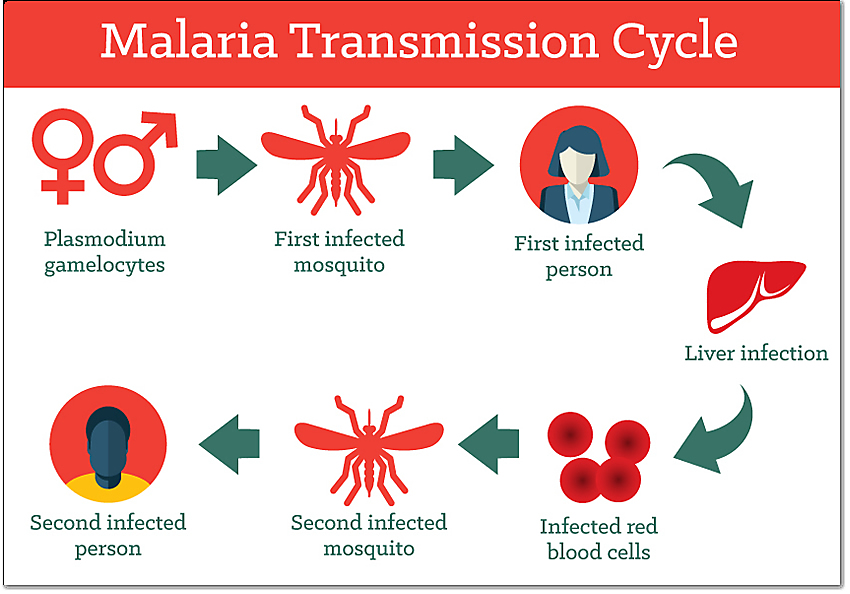
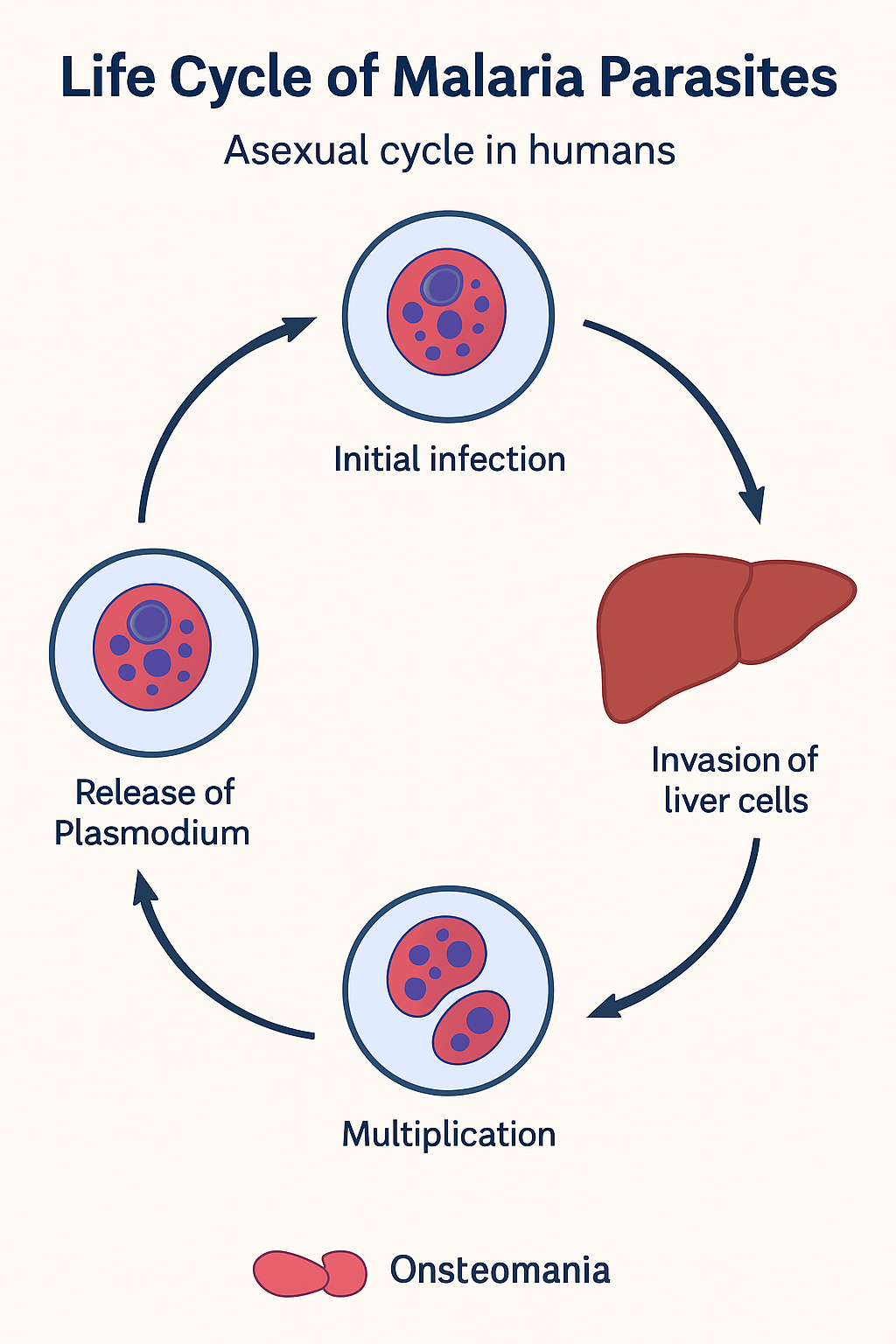
RTIs result from bacteria (e.g. Chlamydia trachomatis, Neisseria gonorrhoeae, E.coli), Viruses (e.g. herpes simple virus, HPV, HIV), Fungi (e.g. Candida), or Parasites (e.g. Trichomonas vaginalis). Risk factors include unprotected sex, poor hygiene, hormonal changes, and unsafe medical procedures.
Main Types
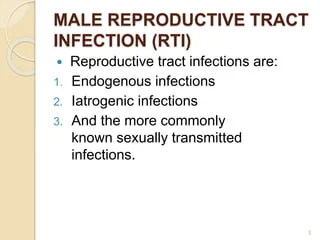
Endogenous
Overgrowth of normal flora like bacterial vaginosis or candidiasis.
Sexually transmitted
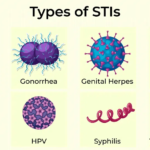
Chlamydia, gonorrhea, syphilis, herpes.
Latrogenic
From procedures like abortions or IUD insertion.
Symptoms
Common signs include abnormal vaginal, penile discharge, genital pain, itching, burning during urination, pain during intercourse, irregular bleeding and lower abdominal pain. Many cases are asymptomatic.
Diagnosis
Involves clinical history, pelvic, physical exams, and lab tests like swabs, urine analysis, blood tests for STIs, or microscopy. Syndromic management uses symptom-based algorithms in resource-limited settings.
Diagnostic Methods
Key methods; swab cultures, NAAT for chlamydia, gonorrhea, rapid tests for syphilis, HIV, wet mounts for trichomoniasis, Candida. In low-resource areas, clinical algorithms guide initial diagnosis.
Prevention Measures
Use condoms consistently, maintain hygiene (avoid douching), limit partners, vaccinate against HPV, hepatitis B, screen regularly, especially pregnant women, high-risk groups, and ensure safe medical practices.
Strategies For RTI Prevention In Women
RTI refers to reproductive tract infections, which affect women’s reproductive organs and are often linked to STIs. Effective prevention strategies focus on behavior, hygiene and healthcare access.
Behavioral Strategies
Safe sex practices like consistent condom use reduce STI transmission risks by up to 90%. Limit sexual partners and avoid high-risk behaviors such as multiple partners or unprotected intercourse.
Hygiene Practices
Maintain genital hygiene by washing with mild soap and water daily; avoid douching, which disrupts natural flora and increases endogenous infection risk. Wear breathable cotton underwear and change promptly after sweating.
Healthcare Access
Regular screening, especially for pregnant women or high-risk groups, enable early detection via syndromic management. Vaccinations against HPV and Hepatitis B prevent key viral RTIs.
Lifestyle Measures
Promote balanced diet, include vitamin C-rich fruits like oranges, kiwis, strawberries, vegetables, zinc from nuts, seeds, and probiotics from yogurt for vaginal flora balance, exercise and stress management to boost immunity. Garlic, ginger, turmeric and green tea contain compounds that enhance T-cell activity and fight infection-causing microbes linked to RTIs. Avoid excess sugar which promotes yeast growth, and stay hydrated to support mucosal health. In India, public programs under NACO offer free counseling and condoms at clinics.
Control Measures
Promote partner treatment, syndromic case management, integrate RTI/STI services into primary care, monitor antimicrobial resistance, and scale up testing/vaccines.
Treatment
Bacterial RTIs/STIs use antibiotics e.g. azithromycin for chlamydia, ceftriaxone for gonorrhea; antifungals for yeast (fluconazole); antivirals for herpes, HIV. Complete courses to avoid resistance; partner notification essential.
Public Awareness
Campaigns educate on symptoms, stigma reduction, and health-seeking via workshops, media and schools to improve recognition and early treatment, especially among women in India.
Community Engagement
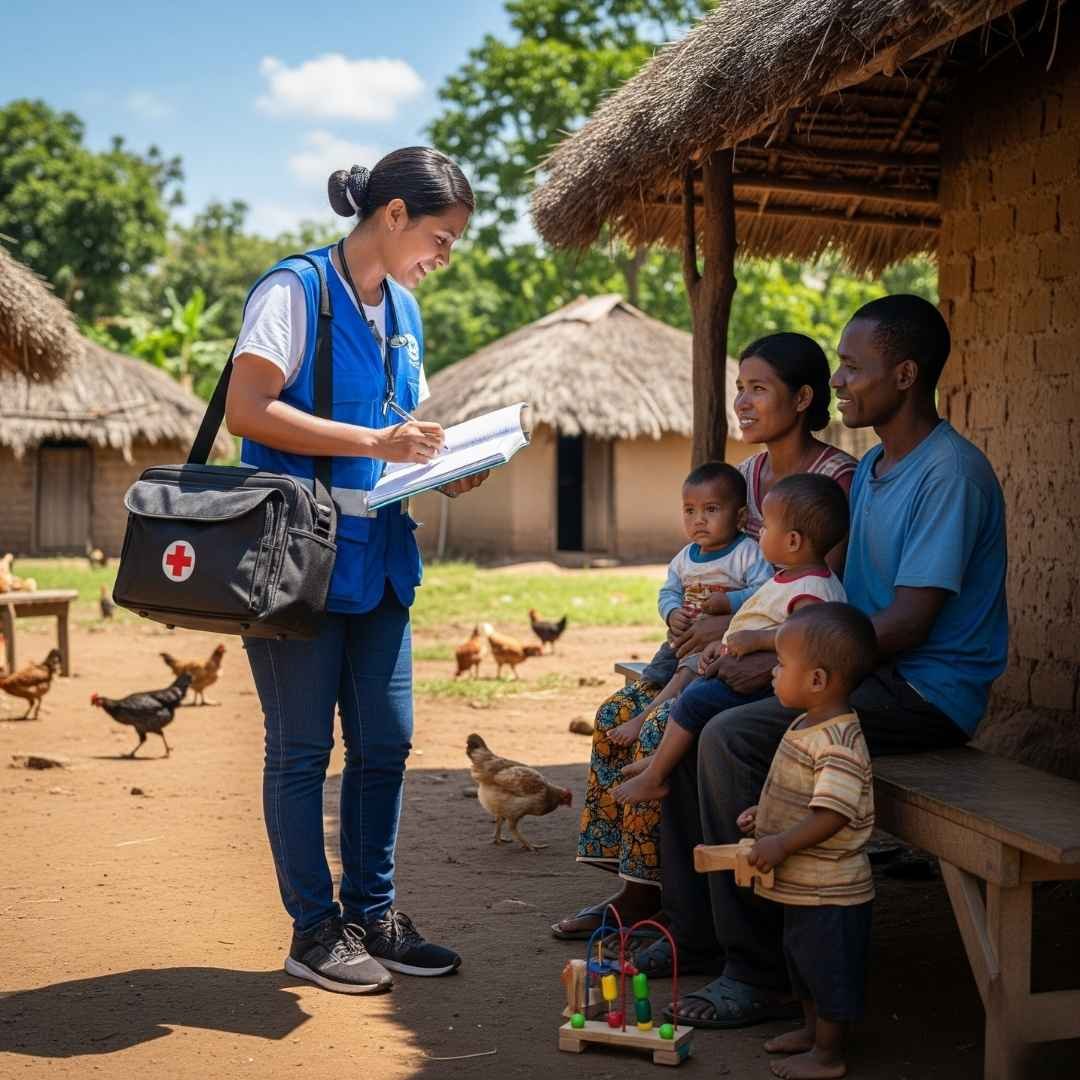
Involves Self- groups (SHGs) in India for peer education, syndromic recognition workshops, and behavior change to boost awareness and access.
IEC Materials
Information, Education, Communication tools like posters, leaflets, lesion plans on RTI/STi symptoms, prevention and services used in SHG workshops to empower communities.
Role of Public health Department
In India under NACO /RCH, provides STI/RTI clinics at PHCs/CHCs, syndromic treatment protocols, free drugs/testing, training, surveillance, and convergence with HIV program.
Combined Impact
Integrating hygiene with balanced nutrition lowers RTI risk by 20% to 30% in studies, complementing condoms and screening for compressive prevention.