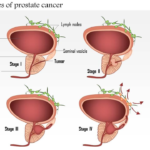



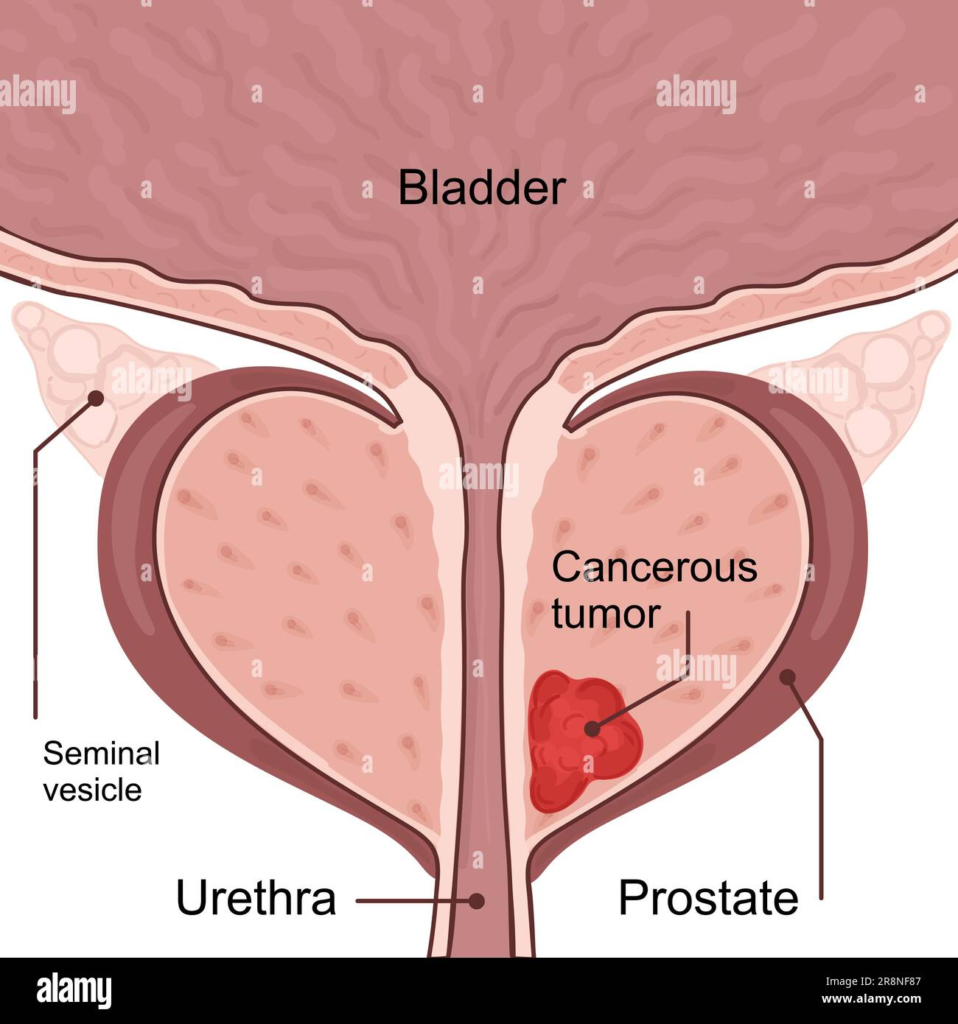
Prostate cancer is the most common non-skin cancer in men and a leading cause of cancer-related death, originating in the prostate gland. Prostate cancer involves uncontrolled cell growth in the prostate gland, a male reproductive organ below the bladder that produces seminal fluid. It is one of the most common cancers in men, often slow-growing and detectable early through screening.
Definition
Prostate cancer is a cancer originating in prostate gland cells, primarily adenocarcinoma forming from glandular tissue. It arises from DNA mutations causing abnormal cell replication and tumor formation.
Causes and Risk Factors
Genetic mutations in prostate cells disrupt growth, replication, cell death, and DNA repair, leading to tumors. Risk factors include age over 50, family history, having BRCA1 or BRCA2 mutations, Black ethnicity, obesity, and possibly high-fat diets or smoking.
Main Types of Prostate Cancer
Adenocarcinoma accounts for over 95% of cases, graded by Gleason score (6-10) based on cell abnormality. Rare aggressive types include small cell carcinoma, neuroendocrine tumors, sarcomas, and squamous cell carcinoma.
Symptoms
Early stages often show no symptoms; advanced cases may cause frequent, painful urination, blood in urine or semen, a weak urine stream, erectile dysfunction, bone pain, and weight loss.
Diagnosis
Confirmed via prostate biopsy guided by transrectal ultrasound (TRUS), MRI, or fusion imaging, with Gleason grading. Staging uses the TNM system, PSA levels, and imaging like PSMA-PET or bone scans.
Screening Methods
The primary method is the PSA blood test; elevated levels >4 ng/ml prompt further evaluation. Digital rectal exam (DRE) detects lumps; MRI or risk calculators aid high-risk men age 50+, family history.
Prevention Measures
No guaranteed prevention, but maintain a healthy weight, exercise regularly, eat fruits and vegetables like tomatoes and broccoli, limit red meats and fats, and avoid smoking. 5-alpha reductase inhibitors like finasteride may reduce risk in high-risk men.
Control Measures
Early detection via screening reduces mortality; active surveillance for low-risk cases monitors progression without immediate treatment. For advanced disease, hormone therapy controls growth; public health focuses on surveillance and late-stage reduction in India.
Treatment Options
Options include active surveillance for low-risk cases, surgery (prostatectomy), radiation (external/MRT or brachytherapy), hormone therapy (androgen deprivation), chemotherapy (docetaxel), or targeted therapies (e.g., PARP inhibitors for BRCA mutations). Metastatic cases use immunotherapy or radiopharmaceuticals like Lu-177PSMA.
Common Treatments
Common treatments for localized prostate cancer cure the disease while minimizing side effects, especially for low- or intermediate-risk cases confined to the prostate. Options depend on age, health, Gleason score, PSA levels, and patient preferences.
Surgery
Radical prostatectomy (open laparoscopic or robotic) removes the entire prostate and nearby lymph nodes, ideally for healthy men under 70 years with life expectancy. 10 years. Nerve-sparing techniques preserve continence and potency.
Radical Therapy
External beam radiation (EBRT, e.g., IMRT) delivers high-energy rays over weeks. Brachytherapy implants radioactive seeds directly into the prostate.
Public Awareness
Campaigns like Tata Memorials and Medanta’s “Jaanta hai Medanta” normalize discussions, urging men 45+ with family history and 55+ for check-ups. Awareness talks and posters target symptoms and early detection in India.
Community Engagement
Involves veteran camps, employee talks, poster competitions, and collaborations (e.g., Indian Prostate Cancer Foundation with cooperates) for education on screening and treatment. Initiatives promote “speaking up” about symptoms to boost early consultation.
ICE Materials
Posters, talks, and interactive sessions on symptoms, PSA screening, and treatments used in awareness drives. Campaigns feature slogans like “Socho Mat, Baat Karo” (Don’t think, Speak-Up) for normalization.
Public Health Department Role
In India, the Public Health Department supports early detection, risk reduction, and management via registries, e.g., the National Cancer Registry Programme, amid rising incidence from aging/urbanization. Focus on strengthening surveillance, policy for affordable diagnostics, and awareness to curb late presentations.
Prostate Cancer Survival Rates and Prognosis Factors
Prostate cancer has excellent survival rates when detected early, with 5-year relative survival exceeding 99% for localized or regional stages. Prognosis varies significantly by stage, grade, and other factors, often allowing long-term survival even in advanced cases with modern treatments.
Survival Rates
Localized prostate cancer (confined to the prostate) has a near 100% 5-year relative survival rate, rising to 10 years (98%) and 15 years (95%) for early diagnosis. Regional spread nearby lymph nodes also exceed 99% at 5 years, while distant metastatic (stage IV) drops to 30-40%.
Prognosis Factors
Key factors include cancer stage (TNM), Gleason score (cell aggressiveness, 6-10), PSA levels at diagnosis, tumor volume, surgical margins, age, and overall health. Positive markers like low Ki-67 index or absence of p53 overexpression improve outcomes; genetic factors, e.g., BRCA mutation.
Stage-wise Survival Distribution
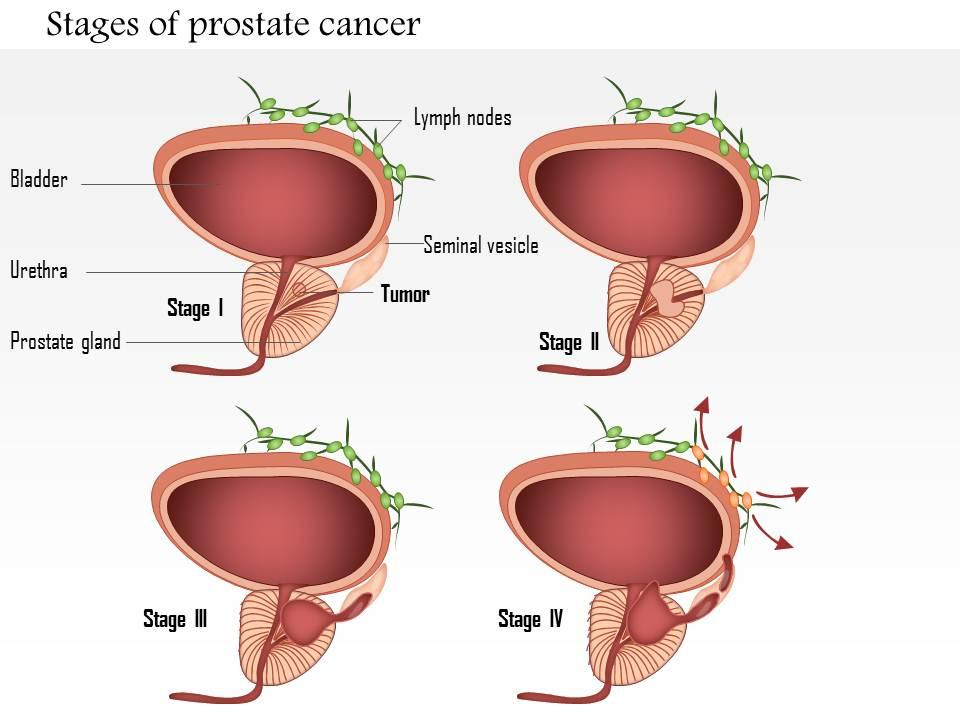
| Stage | % of Cases | % 5-year Survival |
|---|---|---|
| Localized | 69% | 100% |
| Regional | 14% | 100% |
| Distant | 8% | 38% |
| Unknown | 9% | 94% |
Overall 5-year survival across all stages is 98% in recent U.S. data. In India, late presentations lower rates, emphasizing early screening.