


Prevention and Control Measures for Chandipura Encephalitis.
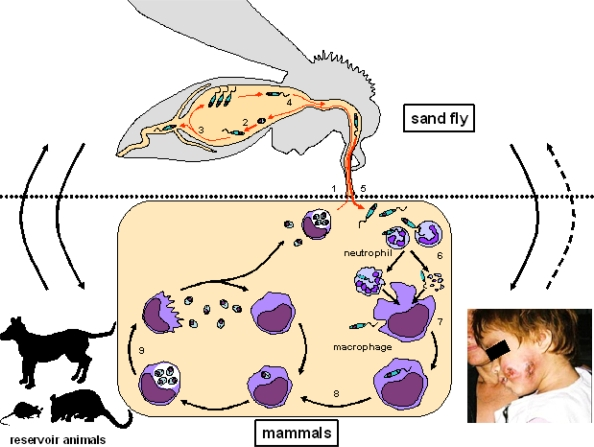
Chandipura encephalitis virus (CHPV), caused by Chandipura virus and transmitted primarily by phlebotomine sandflies, has prevention focused on vector control targeting sandflies, personal protection, and public health strategies.
Sandflies are easily controlled because they do not move long distances from the place of their breeding and resting sites.
Vector Control Measures
Insecticides
Insecticides: Malathion and synthetic pyrethroids like deltamethrin and alphacypermethrin serve as primary insecticides for killing sandflies in Chandipura encephalitis control efforts. Spraying should be done in the human dwelling, cattle sheds, and other places.
Malathion remains the cornerstone for indoor residual spraying (IRS) and space fumigation in outbreak areas, targeting sandfly resting sites in cracks and crevices.
Deltamethrin and alphacypermethrin provide effective long-lasting protection when applied to walls and used in insecticide-treated nets or bed nets.
These pyrethroids offer rapid knockdown effects and residual activity up to several months, ideal for rural endemic zones.
Environmental Sanitation Measures
Sanitation: Sanitation measures such as removal of shrubs and vegetation within 50 yards of human dwellings, filling cracks and crevices in walls and floors, and location of cattle sheds and poultry houses at a fair distance from human habitations should receive attention.
Personal Protection Measures
Personal Protection: Apply insect repellents, wear long-sleeved clothing, and avoid outdoor activities at dawn/dusk in endemic areas.
Seal building cracks and use air conditioning to limit sandfly access.
Public Health Strategies and Surveillance
Public health strategies/surveillance: – Enhance early detection via community awareness, rapid case referral, and laboratory testing of serum/CSF samples.
Public health campaigns promote hygiene and discourage practices like storing cow dung cakes that attract sandflies.
Focus on Children
Focusing on Children: Supportive care improves outcomes in outbreaks, focusing on children under 15 years.
Awareness About Sandfly Habits
Awareness about Sandfly Habits: –
Breeding Places
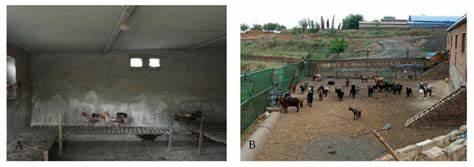
Breeding places: Sandflies breed in moist, organic-rich microhabitats like cracks in mud/brick walls, rodent burrows, damp soil, cattle sheds, and waste piles with cow dung or vegetation.
Poor sanitation, open sewers, stagnant water near homes, and unplastered walls in rural houses promote larval development, especially during monsoons.
Public campaigns should educate on cleaning these sites through waste management and sealing cracks.
Inspect indoor and outdoor breeding sites of sandflies and remove them immediately.
Resting Sites
Resting Sites: – Adult sandflies rest in dark, humid indoor spots such as wall cracks, under furniture, bathrooms, kitchens, and peri-domestic areas like cattle sheds during the day.
Outdoor resting occurs in vegetation, rock crevices, and tree hollows.
Awareness drives should highlight indoor spraying and screens to disrupt these sites.
Biting Habits
Biting Habits: – Sandflies bite primarily at dusk and dawn (crepuscular), targeting exposed skin on children and sleeping individuals.
Females require blood meals for egg production.
They are weak fliers, staying near ground level (less than one meter) and preferring indoor bites in poorly lit homes.
Educate on repellents, long and full clothing, and nets during peak hours to reduce exposure.