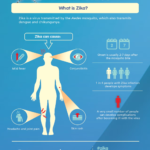


Zika virus, primarily transmitted by Aedes mosquitoes, requires integrated strategies focusing on
- Vector control,
- Personal protection,
- Enhanced Surveillance,
- Sexual and Maternal Prevention,
- Community involvement
to prevent outbreaks, especially protecting pregnant women from congenital risks. These measures emphasize community participation and year-round implementation in endemic areas like India.

Vector Control Strategies
Vector Control Strategies: –
- The primary preventive measure is enhanced integrated vector management, which includes environmental modification and manipulation to eliminate breeding sites by emptying, cleaning, or covering water containers weekly and removing standing water from flowerpots, tires, drains, and all small artificial domestic water containers.
- Apply larvicides to fixed water bodies and conduct indoor residual spraying or outdoor space spraying for adult mosquitoes.
- Deploy biological controls like larvivorous fish or Bti powder and use ovitraps to monitor and reduce populations.
Personal Protection
Personal Protection:-
Use DEET (20% to 50%), IR3535 (Insect Repellent 3535), oil of lemon eucalyptus, or picaridin repellents on exposed skin and clothing, reapplying as directed; prioritize during daytime when Aedes are active.
Wear long-sleeved clothing, long pants, socks, and light-coloured outfits; install window/door screens and sleep under insecticide-treated nets.
Avoid travel to outbreak areas if pregnant; delay pregnancy for 3 to 6 months post-exposure in affected regions.
C) Sexual and Maternal Protection
Use condoms consistently or abstain from sex, especially if partner traveled to Zika areas; extend to 3 months post-symptoms or 2 months if asymptomatic.
Screen pregnant women via travel history, symptoms, and tests (RTPCR or serological); advise contraception access in endemic zones.
D) Enhanced Surveillance
Community-Based Surveillance
IDSP, through its community- and hospital-based data-gathering mechanism, would track clustering of acute febrile illness and seek primary cases, if any, among those who travelled to areas with ongoing transmission in the two weeks preceding the onset of illness.
IDSP would also advise CHCs to look for clustering of cases of microcephaly among newborns and reporting of Guillain-Barré Syndrome.
Enhance mosquito surveillance at high-risk sites, e.g., construction areas, overhead tanks, fountains, pots, and any kind of artificial water containers, with cross-sectoral efforts and public education campaigns.
Remove all kinds of artificial water containers and conduct a house-to-house container survey. Empty water-holding containers if possible; otherwise, treat them with Abate mother solution as per NCVBDC guidelines. Then calculate the House Index, Breteau Index, Container Index, and mosquito indices.
Promote hygiene, safe sex, and reporting; no vaccine is available, so integrate with dengue and Chikungunya control programs.
International Airports Reporting
All the international airports will display billboards/signage providing information to travelers on Zika infection and instructing them to report to customs authorities if they are returning from affected countries and suffering from febrile illness.
The airport would have a quarantine or isolation facility and an airport authority to follow the Zika disease guidelines.
Rapid Response Teams
Rapid Response Teams shall be activated under surveillance units and shall take all necessary steps to address the challenge of this infection, working closely with technical institutions, professionals, and global health partners.
E) Community Involvement
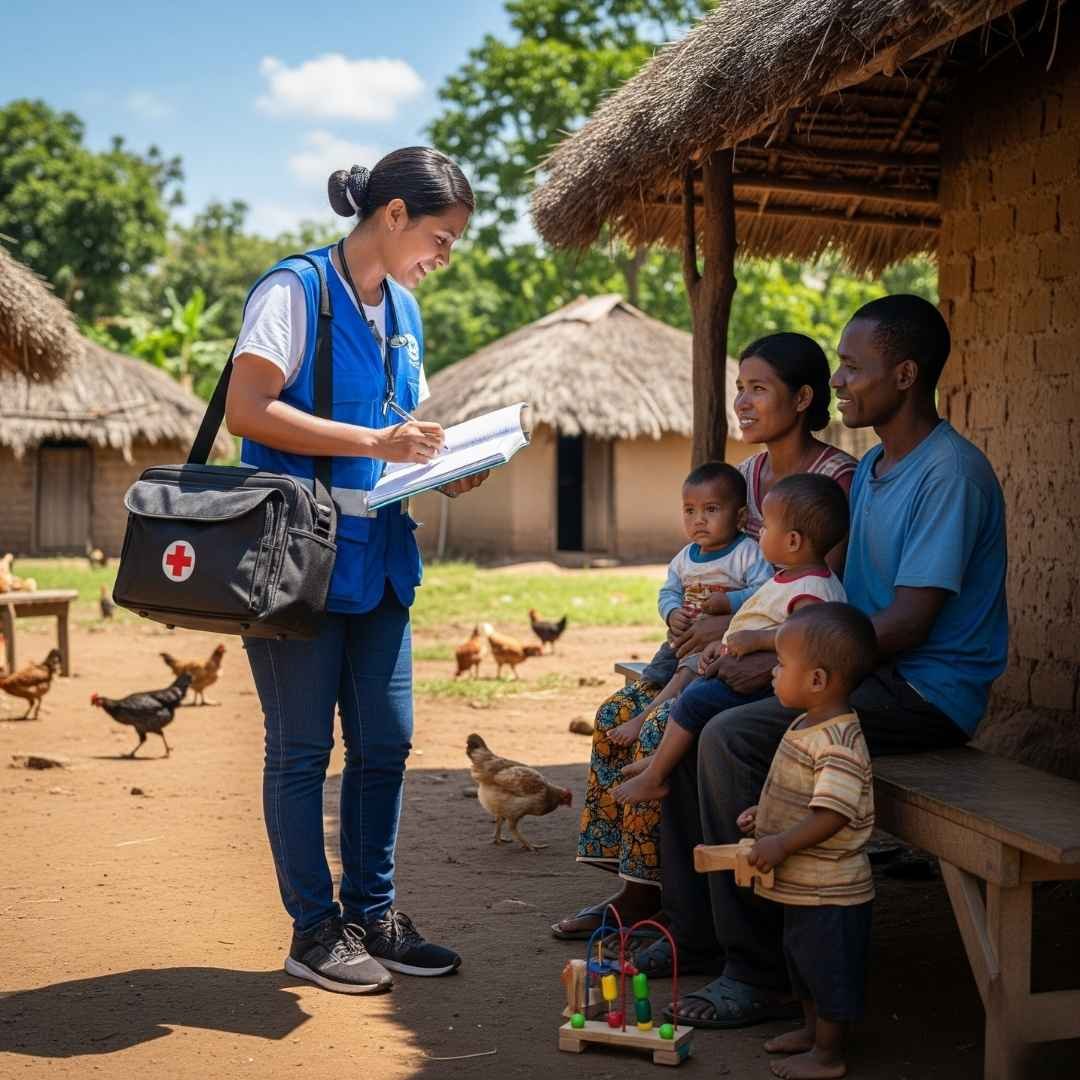
No vaccine is yet available for the prevention or treatment of Zika virus. So protection against mosquito bites during the daytime and early in the evening is a key measure to prevent Zika virus infection, especially among pregnant women, women of reproductive age, and young children.
Involve local leaders in planning to ensure cultural relevance and trust.
Use multi-channel info sources like community events alongside TV, cable, and peers.
Monitor via baseline/follow-up data to refine efforts, aligning with WHO RCCE guidelines.
F) Travel Advisory
Non-essential travel to the affected countries is to be cancelled. Pregnant women or women who are trying to become pregnant should cancel their travel to the affected areas. All travelers to the affected countries should strictly follow protective measures. Persons with comorbid conditions should seek advice from the nearest health facility prior to travel to an affected country.
G) Non-Governmental Organization Coordination
Non-governmental organizations, such as Indian state medical associations and professional bodies, etc., to sensitize clinicians in both the government and private sectors about Zika virus disease.
H) Monitoring
The situation would be monitored by the joint monitoring group under the Director General of Health Services on a regular basis. The guidelines will be updated from time to time as the emerging situation demands.