


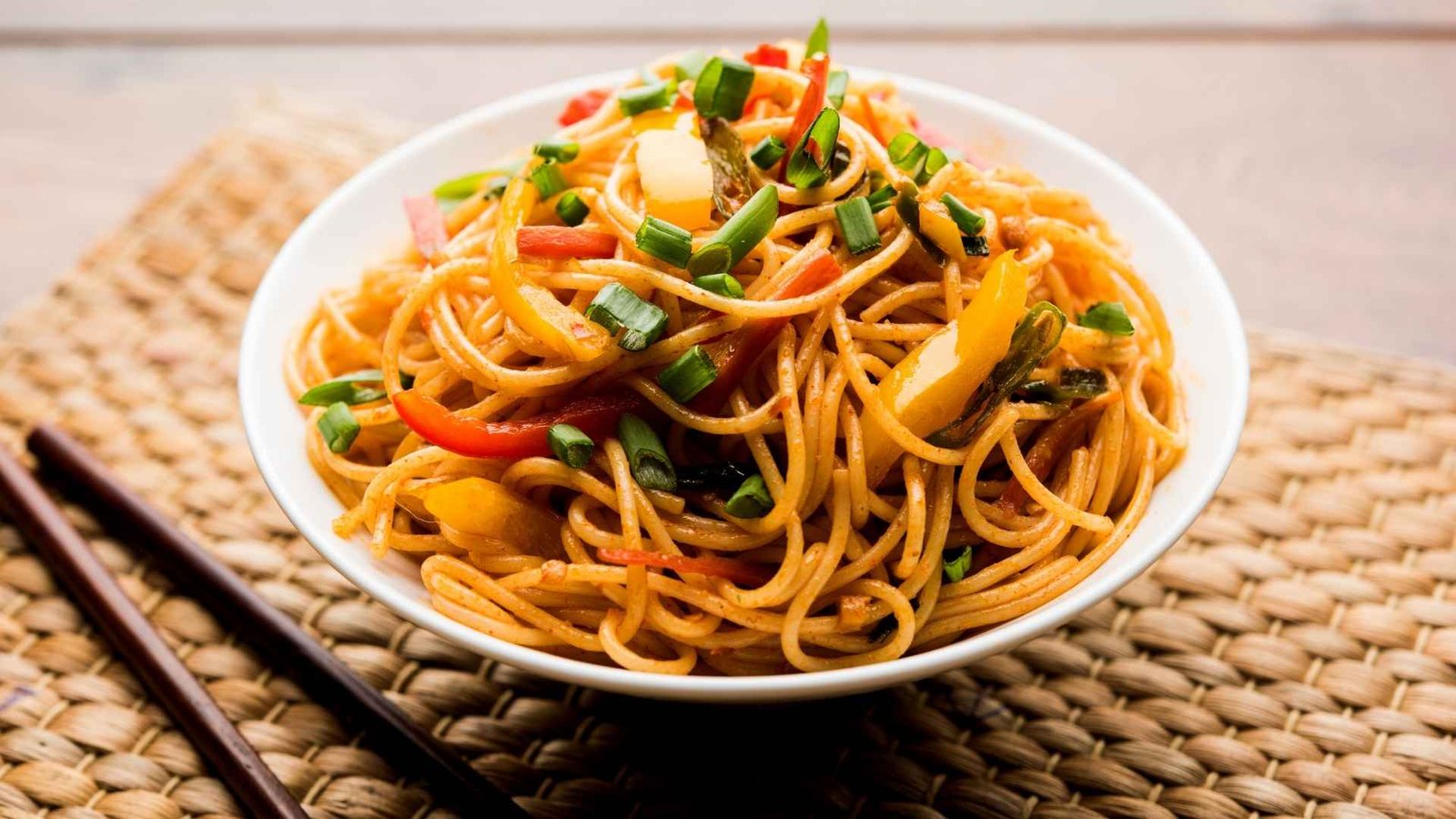
Fast food noodles, like many instant noodles, are often criticized for potential health issues when consumed excessively or daily due to high sodium, refined carbs, and additives. While occasional servings pose minimal risk, frequent intake links to problems like hypertension and poor nutrition.” “Garbage in, garbage out” fits perfectly—processed noodles loaded with sodium and additives fuel long-term health woes like hypertension, much like poor inputs yield poor results.
“You are what you eat” underscores how frequent noodle intake builds a “house of risks”: cardiovascular strain, kidney issues, and metabolic problems from excess salt and empty carbs.
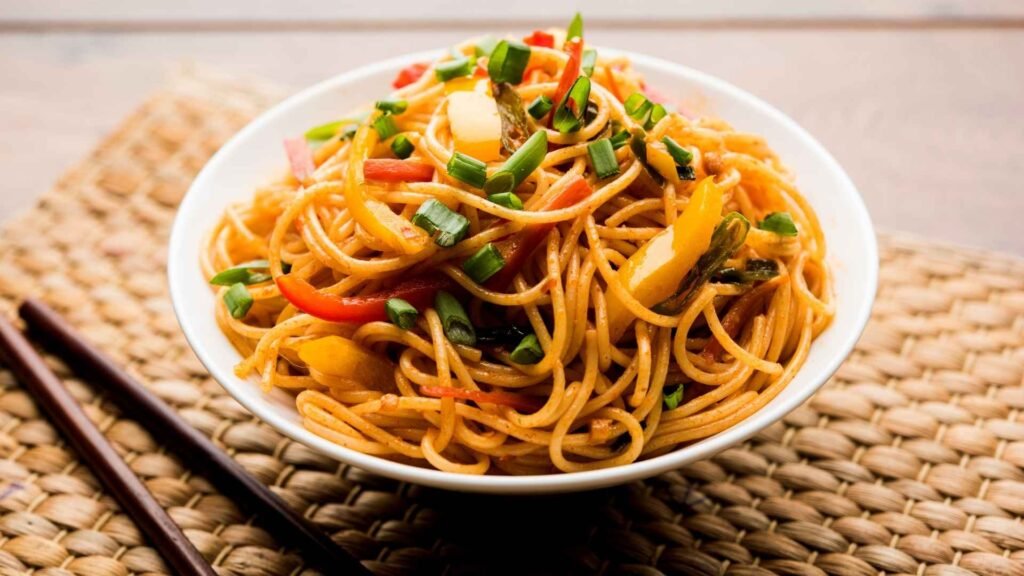
Key Concerns
High sodium (around 820 mg per packet) raises blood pressure and heart disease risk, exceeding daily limits with multiple servings. Refined flour leads to quick hunger, obesity potential, and low fiber for digestion.
Past controversies, like India’s 2015 lead and MSG scare, fueled “House of Diseases” claims, though tests were disputed and products reformed. Exaggerated effects like anemia or cancer lack strong evidence; moderation is key.
Long-Term Effects of High Sodium From Instant Noodles
Long-term high sodium intake from instant noodles raises serious health concerns. Frequent consumption exceeds recommended daily limits, leading to chronic issues over time.
Cardiovascular Risks
Excess sodium promotes hypertension, straining the heart and blood vessels. This elevates chances of heart disease, brain stroke, and atherosclerosis.
Kidney and Metabolic Strain
Kidneys struggle to filter surplus sodium, risking damage and impaired function. It also ties to metabolic syndrome, heightening diabetes and obesity odds.
Other Effects
Studies link regular intake to higher cholesterol, inflammation, and even mortality risks in certain groups. Moderation prevents these cumulative harms.
Parents’ Busy Schedule
Busy parents often rely on ready-made and fast foods for children’s dinner due to demanding schedules, but this habit poses significant health risks.
Popularity In Events
Fast foods like noodles, jam, sauce, and pizza are popular in Indian marriages and cultural programs for their quick preparation, appealing taste, and convenience during large gatherings. However, their frequent use in public settings can contribute to short-term digestive discomfort and long-term health concerns if overconsumed.
Noodle’s “2-minute” appeal makes it a go-to for busy wedding feasts, community functions, and festivals in India, where crowds demand speedy, affordable snacks. It’s often customized with local spices, boosting its cultural fit and eager acceptance among all ages.
Nutritional Shortfall
These foods are ultra-processed and high in sodium, sugars, and unhealthy fats, yet low in fiber, vitamins, and protein essential for growth. Children miss balanced nutrients, leading to poor diet quality and reliance on empty calories.
Health Impact
Regular intake links to obesity, type 2 diabetes risk, insulin resistance, kidney, lung problems, and heart issues in kids. It also disrupts gut health, raises mental health concerns like anxiety, and promotes lifelong poor eating patterns.
Expert Views
Pediatricians note rising cases of gut issues, infections, and fatigue from instant foods, but claims of anemia, organ damage, or cognitive harm lack strong proof and stem from multifactorial diets.
Epidemic Potential
No evidence supports an “epidemic” from pizza or noodles alone—outbreaks require pathogens, not diet alone—but widespread poor diets contribute to rising child obesity, diabetes risk, insulin resistance, kidney and lung problems, heart issues, digestive problems (e.g., constipation, acidity, weakened immunity, anemia risk, and hypertension) in kids in India.
Experts warn all instant noodles harm kids long-term due to chemicals and low nutrition, urging moderation. If Indian children start consuming pizza and noodles excessively, a day will come when the entire generation falls ill with various diseases, leading to a situation like an epidemic.
General Advice
Instant noodles, particularly popular brands, can negatively affect kids’ health due to high sodium, refined carbs, additives like MSG, and low nutrients when consumed often. Specific products highlighted in studies and reports include those with excess lead, heavy metals, or poor nutritional profiles.
All instant noodles/pizza/fast food, whether Indian or Chinese, pose risks if eaten daily; experts recommend avoiding or limiting them entirely for children due to cumulative effects like kidney strain, heart issues, digestive issues, etc., and poor growth . Choose homemade alternatives instead.