

Aim:
- Prevention of malaria & filaria diseases.
- Reducing the density of mosquitoes.
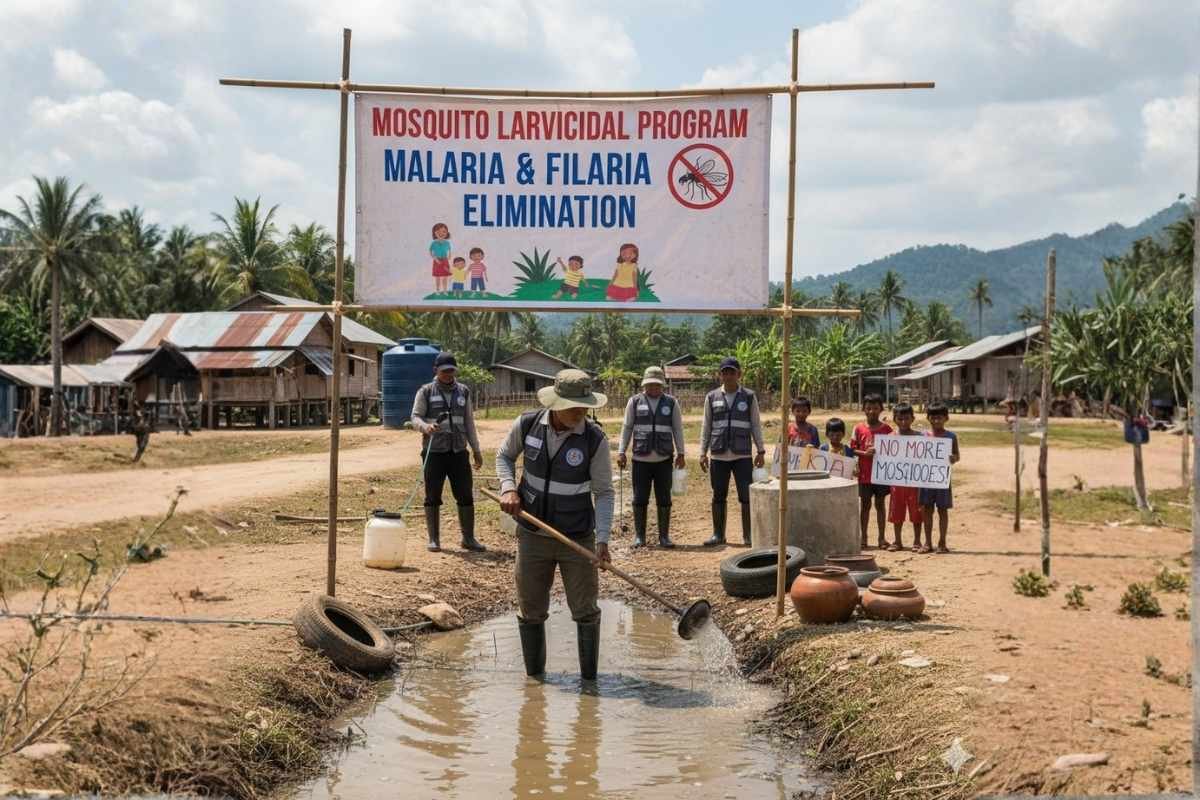
In the Malaria & Filaria elimination program, the use of larvicides involves targeting and killing mosquito larvae before they can mature and transmit diseases. These programs utilize various strategies or methods.
1) Biological Methods or Control
There are two biological methods used:
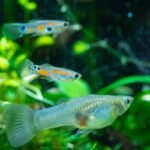
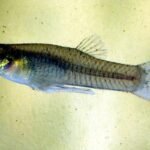
A) Using Larvivorous Fish: * Releasing fish like Guppy and Gambusia into water bodies to consume larvae.
B) Larvicidal: * Using BTI Powder (in powder or liquid form) or B. Sphericus to kill larvae.
2) Chemical Methods
A) Chemical Application: * Applying chemicals like Abate, Baytex, Paris green, and MLO oil to kill larvae.
B) MLO or MMF (Monomolecular Surface Films): * These spread on water surfaces to prevent larvae from breathing.
C) Mosquitocidal for IRS & ORS: * Deltamethrin, Cyfluthrin, and Lambda are used for Indoor Residual Spraying (IRS) and Outdoor Residual Spraying (ORS).
3) Minor Engineering
A) Environmental Management OR Source Reduction: * Reduction of breeding sites. * Filling up burrow pits, ditches, and low-lying areas to remove stagnant water where mosquitoes breed.
B) Water Management: * Desilting, deweeding, unused wells, irrigation channels, channelization, and cleaning drains to reduce water stagnation.
C) Waste Management: * Removing artificial containers and discarded materials that collect water, such as tires, utensils, and plastic waste.
D) Promoting Dry-Day: * Encouraging the emptying of water containers on a weekly basis to prevent breeding. * Proper covering of stored water to prevent mosquito access. * Enhanced surveillance to sustain vector control efforts effectively.
4) Community Involvement
A) IEC/BCC: * Awareness campaigns and community participation are crucial for the success of these programs. * This is especially important for the elimination of diseases like malaria and filaria.
B) Personal Protection: * Use of repellents. * Use of mosquito nets. * Application of nylon mesh to doors and windows.
Parameters of Measurement
- Mosquito Density = Total Mosquitoes Collected × 10 / Total time spent (2.30)
- Pupal Density = Total pupae obtained / Total Dips taken
3. Larval Density = Larvae obtained (3rd & 4th stages only) / Total Dips taken