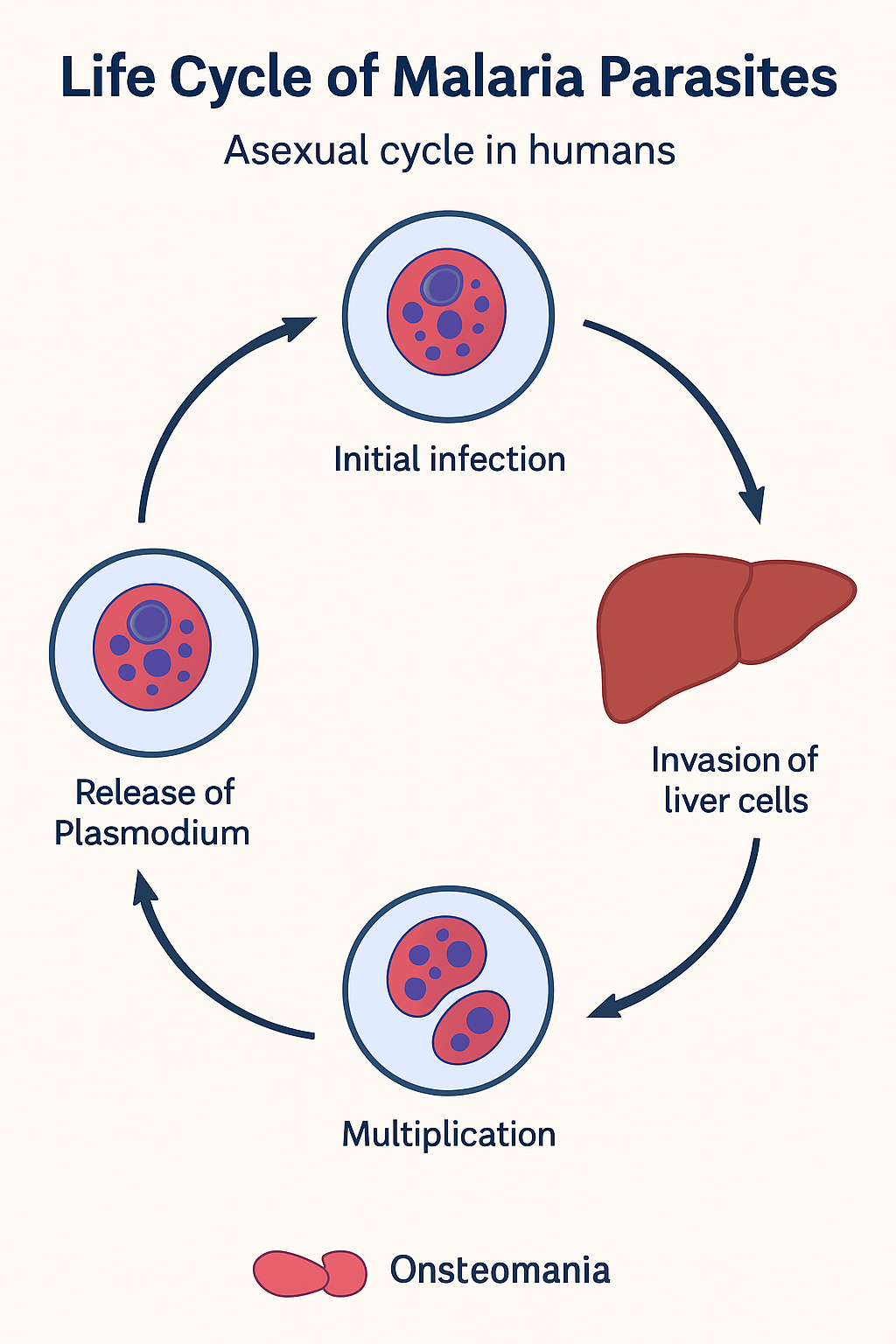



VBD is an infection transmitted by the bite of infected (blood-feeding) arthropods, like mosquitos, ticks & fleas.
e.g., malaria, filaria, dengue, chikungunya, Zika virus, JE, Chandipura encephalitis, leishmaniasis, West Nile virus, yellow fever, schistosomiasis, Chagas disease, trypanosomiasis, onchocerciasis (river blindness), plague, and scrub typhus.
Now we discuss here, in short, malaria firstly.
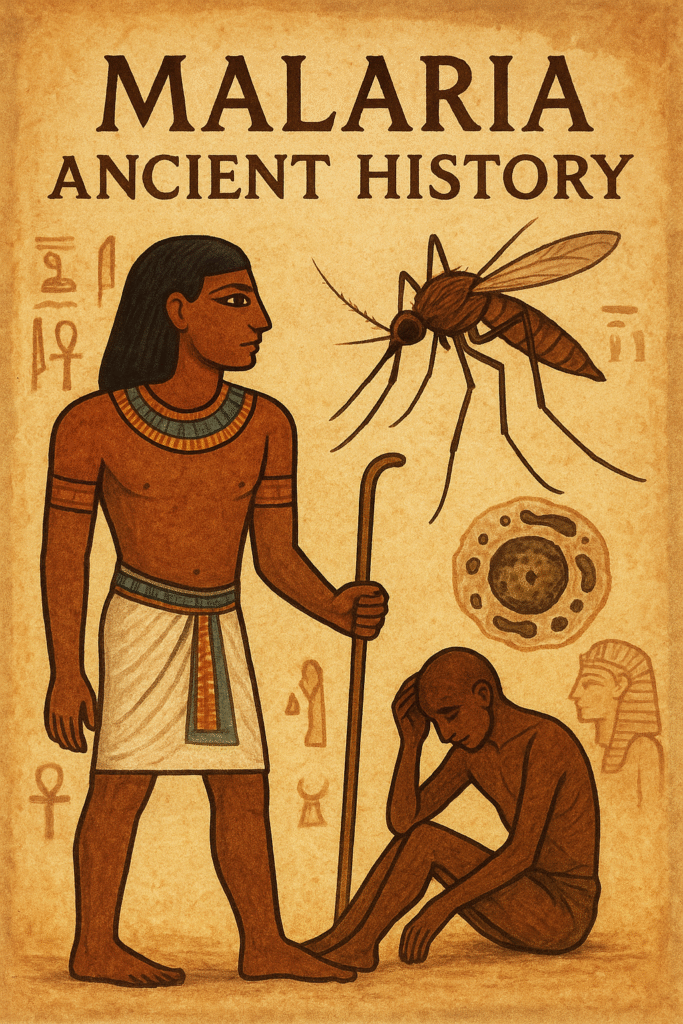
History:-
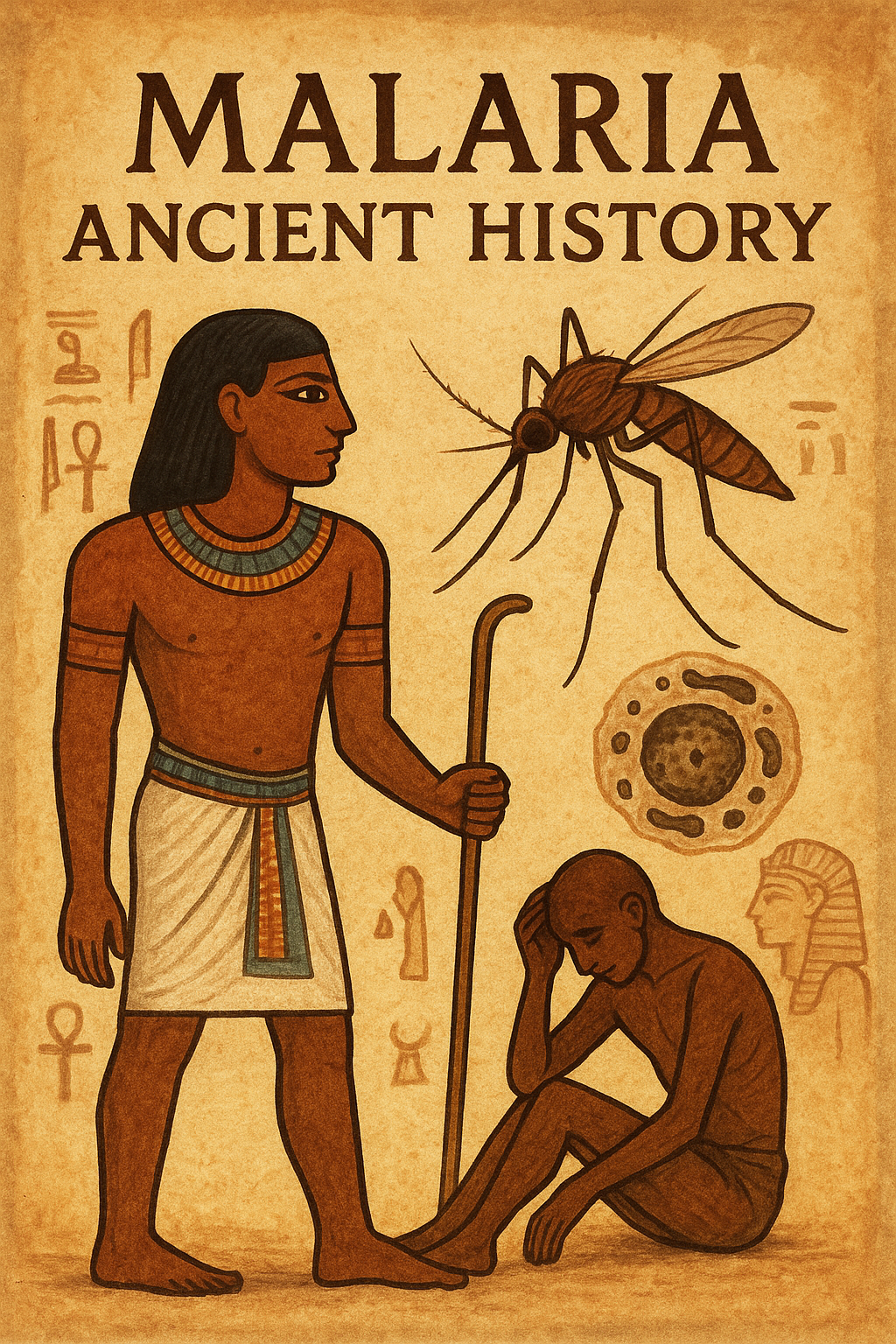
Malaria is a cold fever disease that was first documented in China in 2700 BC & in Greece in 800 BC. Hippocrates in the 5th century BC and Charak & Susruta of the Ayurvedic period gave vivid descriptions of the disease and associated it with the bite of mosquitoes. Algerian scientist Charles Louis Alphonse Laveran first discovered the malaria parasite in 1880, making a crucial step in understanding the disease.
The ancient word ‘”malaria originally comes from the Italian language, from the miasma theory. The term “malaria” is split up as below: “Mal” means “bad” or “dirty,” and “aria” means “air,” “weather,” or “surrounding.”
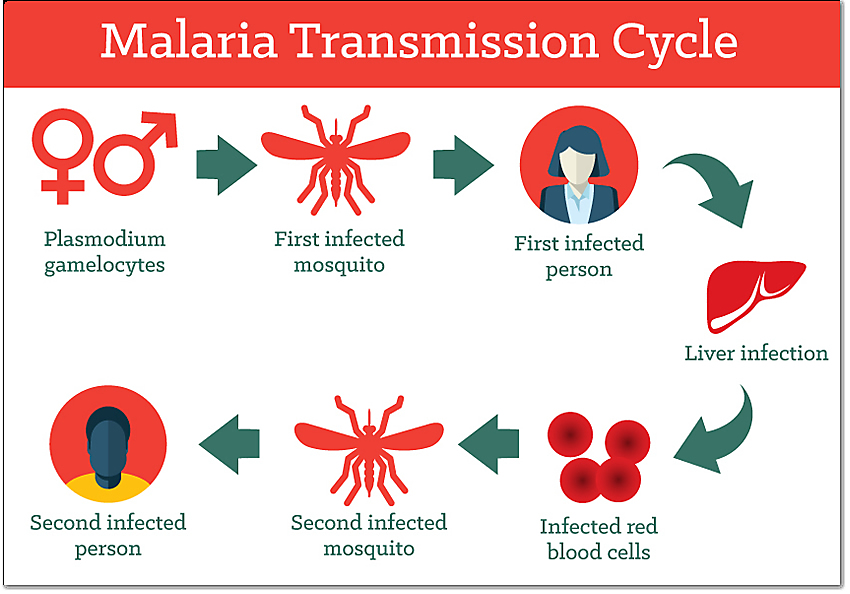
Miasma theory was a prevalent, yet ultimately incorrect explanation for malaria’s cause for centuries. But nowadays malaria is defined as a disease that is caused by Plasmodium parasite protozoa and transmitted or spread by an infected female Anopheles mosquito as a vector.
Several scientists contributed to the discovery and understanding of malaria as given below
1) In 1880 the first human malaria parasite was discovered by Alphonse Laveran.
2) In 1887, Eliya Mechnikov classified human malaria parasites and how to prevent them.
3) In 1891 Romanowski in Russia developed a new method of staining blood films for complete studies of parasites.
4) In 1895, Patrick Manson made a significant contribution to understanding malaria and the role of mosquitoes in the transmission of malaria.
5) In 1895, Ronald Ross discovered that mosquitoes transmit the avian malaria parasite. He was working in Secunderabad city in Andhra Pradesh in India and found malaria parasites growing on the stomach wall of an Anopheles mosquito, which had previously fed on a malaria patient, and later confirmed human malaria transmission by the Anopheles mosquito in 1897.
6) In 1898, Giovanni Battista Grassi an Italian zoologist, made a significant contribution to understanding malaria and particular role of mosquitoes in the transmission of malaria Grassi identified the specific species of mosquito (Anopheles) that transmits the malaria parasite as a vector. He was the first to describe the complete life cycle of “Plasmodium falciparum” parasites, which are the most dangerous malaria parasites.
7) In 1948 Henry Shortt and Cyril Granharm discovered the “pre-erythrocytic cycle” of the human malaria parasite in the liver.
8) In 1982 Wojciech Krotoski identified ‘hypnozoites’ (dormant stages in the liver), stages of parasites, which were responsible for relapses in PV & PO.
These are all scientists responsible for the discovery of the human malaria disease.