

Japanese encephalitis virus isolation has been made from a variety of mosquito species in India; they mainly belong to the Culicine mosquitoes. Specifically, the Vishnui subgroup are the chief vectors of JE in different parts of the world. The primary vectors identified include

Primary Culex vectors of Japanese encephalitis
- Culex Vishnui
- Culex Pseudovishnui
- Culex Tritaeniorhynchus
- Culex Bitaeniorhynchus
- Culex epidesmus
- Culex Fuscocephala
- Culex Gelidus
- Culex Quinquefasciatus
- Culex Whitmorei
- Culex Annulirostris
- Culex pipiens
Other mosquito vectors and potential vectors
In addition to these Culex species, other mosquito genera such as Anopheles and Mansonia have also been reported as vectors. Or potential vectors;
- Anopheles Barbirostris
- Anopheles Hyrcanus group
- Anopheles Subpictus
- Anopheles peditaeniatus
- Anopheles plumbeus
- Mansonia Annulifera
- Mansonia Uniformis
- Mansonia, Indiana
- Aedes japonicus and
- Aedes albopictus are emerging secondary vectors in invasive ranges.
Habitat and transmission cycle of JE vectors
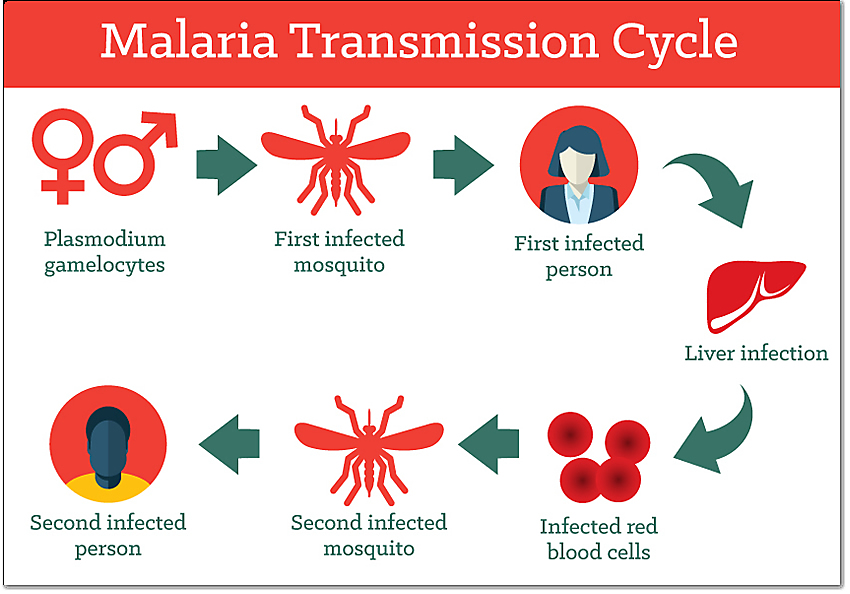
These vectors are mostly found in areas with rice field cultivation and other stagnant water bodies with lush vegetation, which are favorable for their breeding. The primary transmission cycle involves Culex mosquitoes biting amplifying hosts like pigs and reservoir hosts such as wading birds, with humans being accidental dead-end hosts.
Factors affecting the transmission and control of JEV
Factors affecting the transmission and control of JEV include favorable environmental conditions, availability of amplifying hosts, and ecological, biological, socio-economic, and outdoor habits of vectors. Scattered distribution of cases spread over relatively large areas. Role of different reservoir hosts. Specific vectors for different geographical and ecological areas, The immune states of various population groups are not known, making it difficult to delineate vulnerable population groups and programmatic aspects.
Role of pigs and birds in JE transmission in India;
Pigs and birds play crucial roles in the transmission cycle of Japanese encephalitis virus (JEV) in India as amplifying hosts.
Role of Pigs:
Pigs are considered the primary amplifying hosts for JEV because they develop high levels of viremia (virus in the blood) sufficient to infect feeding mosquitoes, particularly the main vector species like Culex tritaeniorhynchus.
Pigs often live in close proximity to humans, especially in rural and peri-urban areas, facilitating the spillover of the virus from pigs to humans through mosquito bites.
Infected pigs can shed the virus through multiple routes and may sustain persistent infections, making them important in maintaining the virus transmission cycle.
Pigs do not typically develop severe disease but serve a critical role in multiplying the virus transmission to mosquitoes.
Surveillance of pig infection can act as an early warning system for JEV outbreaks in humans.
B) Role of Birds:
Wild birds, especially ardeid birds (herons, egrets, and bitterns), serve as maintenance hosts, i.e., reservoir hosts, for JEV. These birds sustain the enzootic cycle (natural animal transmission cycle) of the virus.
Ardeid birds harbor the virus and can infect mosquito vectors, contributing to viral persistence in nature.
Some bird species thrive in agriculture and human-modified landscapes, enhancing opportunities for virus transmission between birds, mosquitoes, and domestic animals.
Other birds, like chickens, may also serve as hosts capable of maintaining the virus but are less studied.
Key species include the black-crowned night heron (Nycticorax nycticorax), cattle egret (Bubulcus ibis), great egret (Ardea alba), little egret (Egretta garzetta), and plumed egret (Egretta intermedia). These birds typically experience asymptomatic infections, supporting long-term virus persistence.
Wild ducks such as spot-billed ducks (Anas poecilorhyncha), mallards (Anas platyrhynchos), and northern pintails (Anas acuta) show high seroprevalence and may contribute regionally, though ardeids dominate as reservoirs.
Transmission ecology and control strategies
Thus, together the interaction of pigs, ardeid birds, efficient mosquito vectors (notably Culex species), and humans in shared landscapes with rice fields and wetlands creates the transmission ecology for JEV in India. Control strategies include vaccinating pigs, vector control, and surveillance of animal hosts to prevent human cases.
Habits of JE Vectors
The chief vectors of JE breed extensively in rice fields, stagnant water with vegetation, and open sewage systems. These vectors are mainly outdoor resting but may rest indoors in summer. The transmission dynamics in India are linked both to ecological factors and the presence of amplifying hosts like pigs and water birds.
Ecological and Biological Factors affecting the transmission of JEV are
Presence and abundance of primary mosquito vectors, mainly Culex tritaeniorhyncus and related Culex species, which breed profusely in wet rice fields, stagnant water bodies, and irrigation channels.
The presence of amplifying hosts such as domestic pigs, which develop high viremia and help maintain the virus cycle.
Climatic conditions such as temperature, rainfall, and humidity affect mosquito breeding and survival, influencing seasonal transmission dynamics.
Socio-economic and Behavioral Factors:
Human activities like pig farming near human habitation increase the risk of transmission.
Lack of personal protective measures such as insect repellents, bed nets, and appropriate clothing increases exposure to mosquito bites.
Housing conditions that allow indoor resting of mosquitoes affect transmission.
Availability and coverage of JE vaccination for humans, especially children, significantly reduce incidence. India has integrated JE vaccination into the Universal Immunization Programme.
Community awareness and health education to promote vaccine uptake and preventive practices.
Community participation is most helpful for controlling vectors via indoor residual spraying (IRS) activities.
Adult vaccination is implemented in select endemic states with ongoing adult cases, using vaccines like JENVAC for populations aged 15 and above.
Use of safe and effective Vaccines