



The best household control measures to interrupt the Aedes aegypti transmission cycle focus on eliminating mosquito breeding sites. preventing mosquito bites and reducing the mosquito population around homes.
Control Measures
1. Get Rid of Still Water
Empty or clean anything that collects water, like flower pots, pet bowls, buckets, old tires, and blocked drains. Mosquitoes lay eggs in still water, so wash these items every week to stop them from growing.
2. Cover Water Containers
Keep water tanks, drums, and buckets tightly covered. This stops mosquitoes from getting inside and laying eggs.
3. Use Mosquito Repellent and Wear Proper Clothes
Use a safe mosquito repellent on your skin. Wear long sleeves, long pants, and socks so mosquitoes can’t bite you.
4. Use Nets and Mesh
Put mesh screens on windows and doors. Sleep under a mosquito net. especially for babies and small children. to stay safe from mosquito bites.
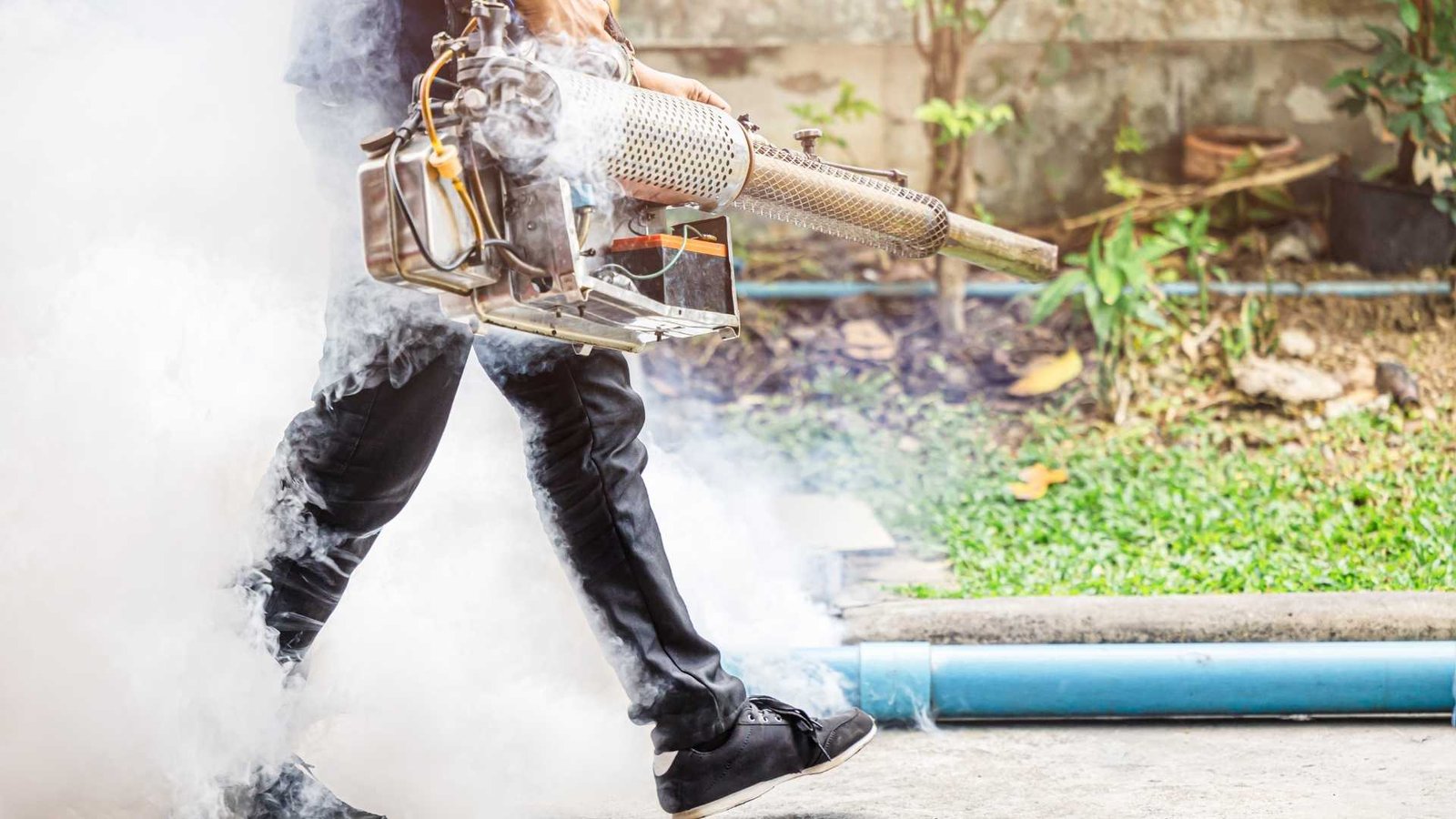
5. Use Indoor Sprays and Fogging
Use mosquito sprays, coils, or vaporizers inside your home. Make sure to spray places where mosquitoes hide, like under furniture, behind curtains, or near clothes.
6. Work Together as a Community
It’s not just one family’s job. When everyone in the neighborhood helps clean up trash and remove mosquito breeding places, the whole area becomes safer.
7. Check Regularly
Look around your home and nearby areas often to find anything that might collect water. If you find something, clean it or remove it right away to stop mosquitoes from growing.
Safe and Effective Larvicides for Home Containers
The most effective larvicides that are safe for home use against Aedes aegypti mosquitoes primarily include microbial larvicides and insect growth regulators (IGRs).
| Sr. No. | Larvicide | Type | Safety for Home Use | Action Mechanism | Application Timing |
| 1 | Bacillus thuringiensis israelensis (Bti) | Microbial | Very Safe | Larval gut toxin production | Apply at start of breeding season, repeat monthly |
| 2 | Spinosad | Microbial | Safe | Targets larval nervous system | Same as Bti |
| 3 | Pyriproxyfen, Methoprene | Insect Growth Regulator (IGR) | Low Toxicity | Prevents adult emergence | Seasonal application |
| 4 | Temephos (Abate) | Organophosphate | Safe at Recommended Doses | Larval growth inhibitor or contact poison | Start before peak mosquito emergence |
1) Bti
Bti is a natural germ found in soil that is harmful only to mosquito babies (larvae). It comes in things like small “dunks” or granules. It is safe for people, pets, and other animals. When mosquito larvae eat it, their stomachs get damaged, and they die.
2) Spinosad
Spinosad comes from a special soil bacterium. It is used to kill mosquito larvae and is safe to use around homes. It does not harm the environment much.
3) Insect Growth Regulators (IGRs)—like Pyriproxyfen and Methoprene
These chemicals stop mosquito larvae from growing into adult mosquitoes. They are safe for humans and animals because they mainly affect insects.
4) Temephos
Temephos is a strong larvicide used by health departments. It can even be used in drinking water when used in the correct amount. It works very well and is recommended by health organizations.
Larvicides like Bti and Temephos are some of the best and safest choices for controlling mosquitoes at home. They help reduce mosquito larvae in still water and stop new mosquitoes from growing.
Larvicide Application Timing
Larvicides should be applied during the mosquito breeding season, typically starting before the peak Aedes aegypti population growth.
In tropical climates with distinct rainy seasons, optimal timing often corresponds to the onset of rains. which leads to water accumulation in breeding sites (e.g., June to September).
Repeat applications may be necessary every 2-4 weeks depending on the product’s residual efficacy and rainfall patterns to maintain control throughout peak mosquito seasons.
Regular monitoring of breeding sites guides the timing and frequency of larvicide application. Regular timely application aligned with mosquito breeding cycles is crucial for maximum impact.