


A heart attack, or myocardial infarction, occurs when blood flow to part of the heart muscle is blocked, causing tissue damage from oxygen deprivation. The first line of emergency treatment for myocardial infarction (MI), also known as a heart attack.

Causes
Causes: Coronary artery disease from atherosclerosis leads to plaque buildup and rupture, forming clots that block arteries; other triggers include spasms, dissection, or severe anemia. Risk factors mirror those of CVD, like hypertension causing prior arterial damage and LVH.
Symptoms
Symptoms: Classic signs include crushing chest pain radiating to arms, jaw, or back and stomach, plus shortness of breath, sweating, nausea, and dizziness; women and people with diabetes may have atypical symptoms like fatigue.
Diagnosis and Treatment
Diagnosis and Treatment: – ECG detects changes, troponin blood tests confirm damage, and angiography identifies blockages; treatments involve aspirin, thrombolytics, angioplasty, or bypass surgery, plus medications like beta-blockers and statins.
Complications and Prevention
Complications and Prevention: Possible issues include heart failure, arrhythmias, or cardiogenic shock; prevention emphasizes controlling hypertension, smoking cessation, diet, exercise, and statins for high-risk individuals.
Types of Heart Attack
Types of Heart Attack: –
Heart attacks, or myocardial infections, are classified mainly by ECG patterns and underlying causes into types like STEMI, NSTEMI, and others.
ECG (Electrocardiogram)-Based Type
ECG (Electrocardiogram)-Based Type:-
STEMI features full coronary artery blockage with ST-segment elevation on ECG, causing widespread heart muscle death and requiring urgent reperfusion.
NSTEMI shows partial blockage without ST-elevation but elevated troponin, indicating subendocardial damage; unstable angina lacks troponin rise.
Universal Classification
Universal Classification: – The five-type system includes
Type 1 = plaque rupture
Type 2 = supply-demand mismatch like spasms or anemia
Type 3 = Sudden death with ischemia signs
Type 4 = Post-PCI / stent issues
Type 5 = Post-CABG
Immediate Steps for a Suspected Heart Attack
Immediate Steps for a Suspected Heart Attack: –
If someone shows signs of a heart attack—such as chest pain, shortness of breath, sweating, or pain radiating to the arms, neck, or jaw—act fast to improve survival chances. Time is critical; aim to get professional help within minutes. Here’s what to do right away:
Call emergency services immediately
Call emergency services immediately: dial 108 (India) or your local emergency number, e.g., 911, elsewhere. Describe symptoms clearly and stay on the line for instructions.
Keep the person calm and seated
Keep the person calm and seated: – Help them sit or rest comfortably in a semi-upright position to ease heart strain or lie down comfortably. Loosen tight clothing around the neck and chest to ease breathing. Reassure them to stay calm while waiting for help. Avoid giving food or drink.
Administer aspirin if available and safe
Administer aspirin if available and safe: – If the person is not allergic, conscious, and able to swallow, give 162 to 325 mg of chewable aspirin. This thins the blood and can save lives—confirm with the emergency dispatcher first. Chew aspirin during a heart attack rather than swallowing it whole to ensure faster absorption into the bloodstream.
Why Chew
Why Chew: Chewing breaks down the tablet immediately, allowing rapid entry through the mouth mucous membranes and stomach, achieving peak antiplatelet effects in 5 to 10 minutes versus 30+ minutes for swallowed pills. This quick action inhibits clot growth more effectively during the critical early phase.
Perform CPR if they lose consciousness
Perform CPR if they lose consciousness: If breathing or pulse stops, start hands-only CPR (100 to 120 compressions per minute in the center of the chest). Use an AED if available.
Avoid unnecessary movement
Avoid unnecessary movement: Do not let them walk or exert themselves, as it worsens heart strain.
These steps follow guidelines from the American Heart Association and India’s National Health Mission. Quick action can restore blood flow before permanent damage.
Aspirin Use in Suspected Heart Attack
Aspirin Use in Suspected Heart Attack:-
Administer aspirin during a suspected heart attack only if the person is conscious, not allergic, and able to chew and swallow safely. Give aspirin immediately upon suspecting a heart attack with symptoms like severe chest pain, but first confirm with the emergency dispatcher.
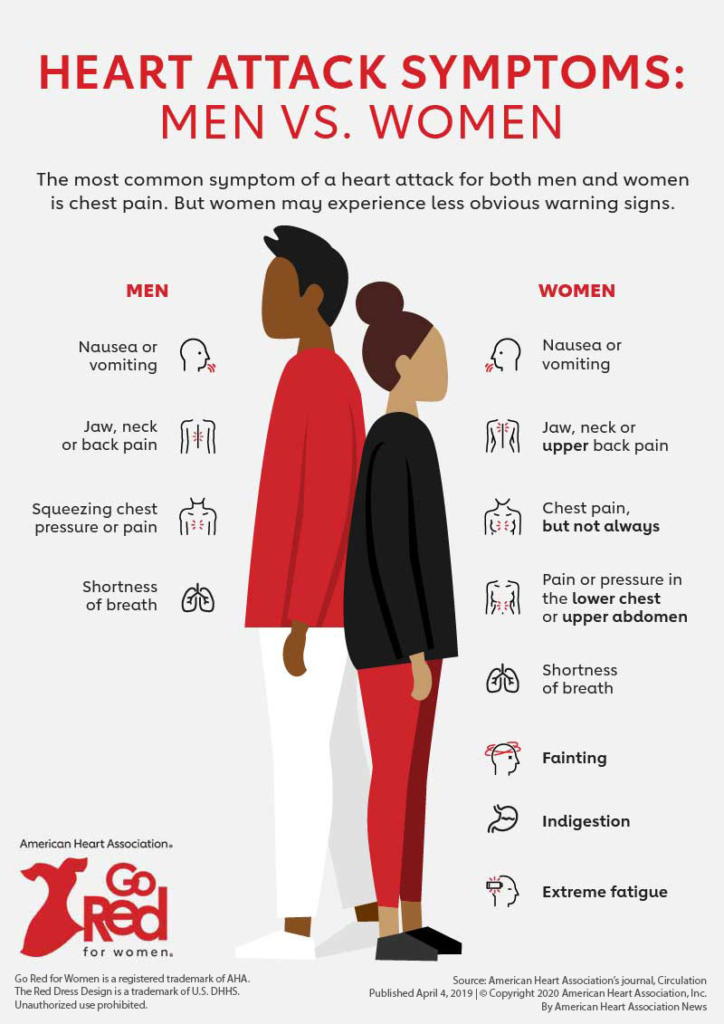
Heart Attack Symptoms Often Differ Between Men and Women
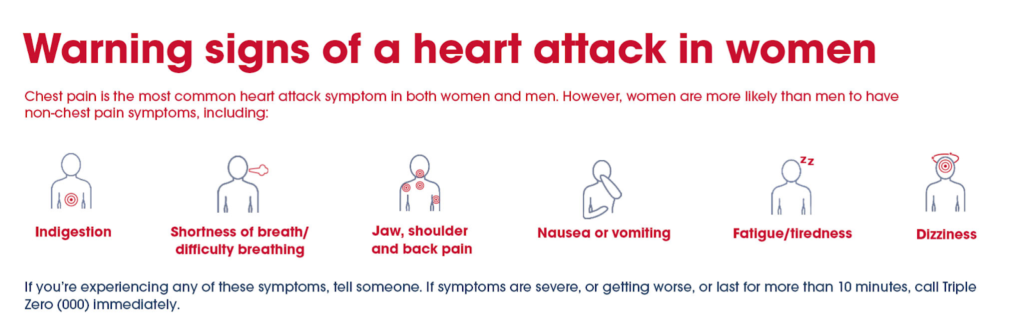
Heart Attack Symptoms Often Differ Between Men and Women.
Men typically experience more classic heart attack symptoms like severe chest pain, while women often have subtler or atypical signs such as fatigue and nausea.
Common Symptoms in Both Men and Women
Common Symptoms in Both: Chest discomfort (pressure, squeezing, or fullness lasting > 2 minutes), pain radiating to arms, neck, jaw, back, or stomach, shortness of breath, sweating, and lightheadedness occur in both genders.
Risk Factors That Make Women More Likely to Have Silent Heart Attacks
Risk factors that make women more likely to have silent heart attacks:
Women face higher risks of silent heart attacks due to factors like diabetes-induced neuropathy that blunts pain signals, alongside general CVD risks amplified by hormonal shifts. Diabetes is more impactful in women for heart disease progression, causing nerve damage and reducing symptom perception, leading to unrecognized infarctions in up to 43% of female cases.
Hormonal Changes
Hormonal Changes: Post-menopause estrogen decline removes cardiovascular protection, increasing silent MI likelihood; pregnancy complications like gestational hypertension also elevate long-term risk.
Medical Test
Medical tests: Medical tests like ECG, troponin blood tests, echocardiograms, and cardiac MRI effectively detect silent heart attacks in women by identifying past damage despite absent symptoms.