

Chandipura encephalitis virus (CHP) transmission involves the following factors:
A) Availability of Vector (Infected arthropod)
B) Viral Maintenance in Vectors
C) Reservoirs
D) Favorable environmental conditions
E) Personal protection
Vector Species and Epidemiological Background
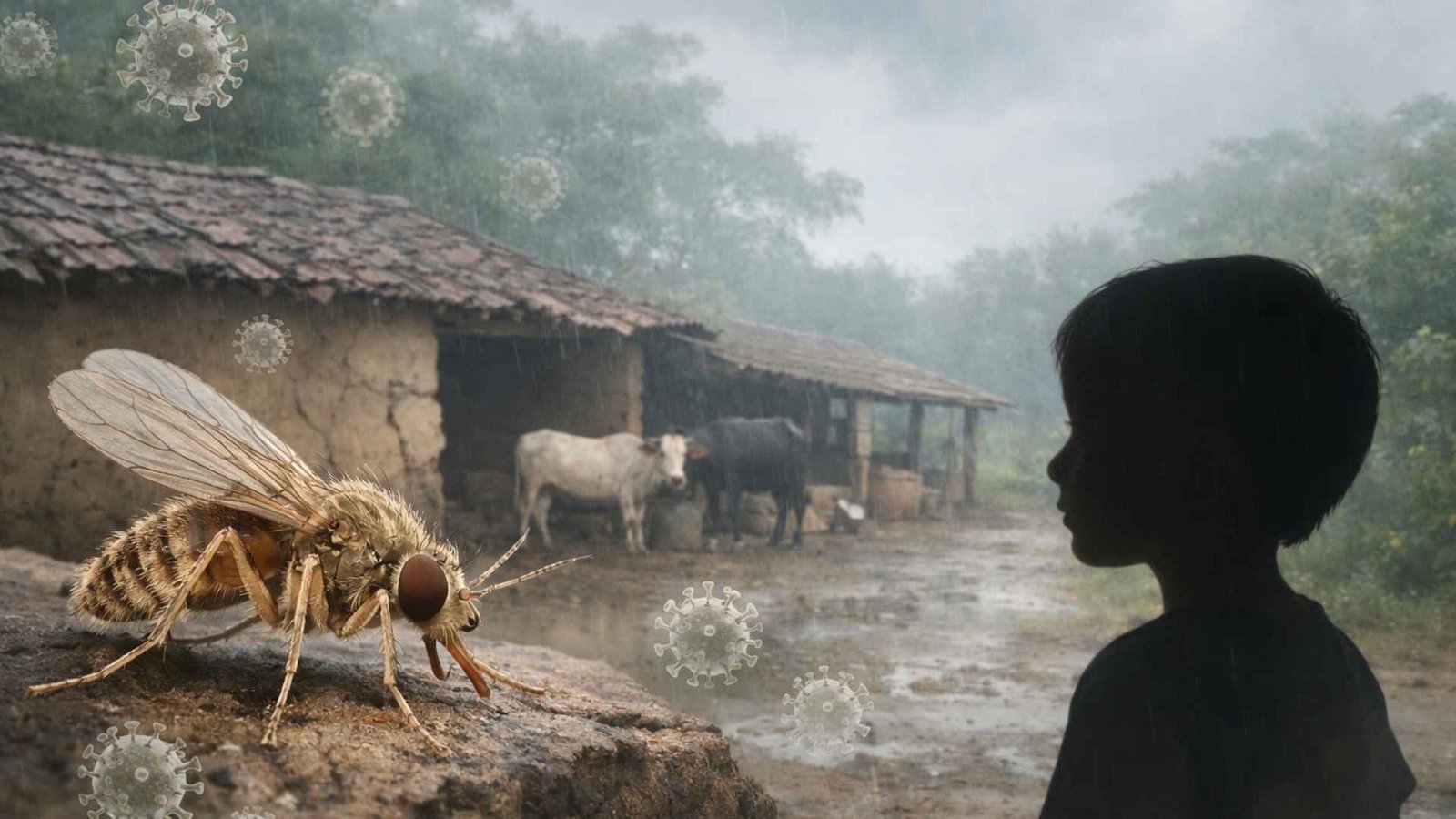
75 species of Phlebotomus sandfly genera, Phlebotomus (Old World sandflies), Sergentomyia (Old World sandflies, mostly 45–50 non-vector species), and Lutzomyia (New World sandfly vector) are currently documented in India. Sergentomiya shorttii, Sergentomiya bailyi (nicnic group), and Sergentomiya punjabensis are frequently associated with Chandipura virus outbreaks in Maharashtra and Gujarat and are often collected from cattle sheds and human dwellings.
Phlebotomus papatasi is the primary vector; horizontal and vertical venereal transmission is confirmed experimentally. Sergentomiya spp. isolation from Africa plays a natural transmission role. Sergentomiya shortti isolated from the Vidharbha region (peridomestic).
Sergentomiya species increasingly dominate domestic habitats, replacing Phlebotomus in CHPV-endemic zones, with confirmed virus isolation during the 2012 Maharashtra outbreaks. No other species has definitive field evidence despite broader sandfly diversity.
These are key factors enabling its spread in endemic regions like India.
A) Availability of Vector
1) Primary Vector
The primary vector species responsible for transmission of CHPV are sandflies of the genus Phlebotomus. The list of Phlebotomus species is
- Phlebotomus papatasi
- Phlebotomus argentipes
- Phlebotomus serengeti
- Phlebotomus perniciousus
- Phlebotomus ariasi
- Phlebotomus bergeroti
Phlebotomus papatasi & argentipes and Sergentomyia spp. They are proven vectors; they acquire the virus from a viremic host and transmit it through their bite.
2) Secondary Vector
Aedes aegypti mosquitoes and ticks may also transmit it, though it is less commonly documented.
B) Viral Maintenance in Vectors
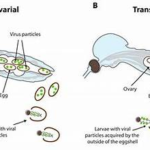
Transovarial Transmission:
The virus passes from infected sandflies to offspring, sustaining cycles without vertebrate hosts.
Venereal transmission:
Infected males pass the virus to females during mating (up to a 32% rate).
High neurovirulence and rapid course:
The virus is highly neurotropic with a short incubation and explosive clinical course, leading to sharp, noticeable clusters in exposed populations.
Genetic adaptability:
CHPV shows mutation patterns that may enhance pathogenicity and possibly fitness in vectors, supporting efficient maintenance and outbreak potential.
C) Reservoirs
Domestic animals like pigs, cattle, goats, buffaloes, horses, and sheep show antibodies, acting as amplifying hosts.
High densities of cattle, goats, and other domestic animals near slipping areas support blood meals and help maintain vector populations.
Lack of systematic cleaning of cracks, animal shelters, and waste areas maintains high vector densities close to humans. When garbage and animal waste accumulate close to sleeping and living areas, sandflies feed more frequently on humans and domestic animals, maintaining the virus cycle.
Zoonotic potential via animal exposure, especially in rural areas.
D) Favorable Environmental Conditions
Several environmental conditions in endemic areas strongly amplify CHPV transmission by boosting sandfly populations and increasing human-vector contact.
1) Temperature:
Warm conditions around 25–28°C are ideal for sandfly breeding and associated with higher vector and transmission.
2) Humidity:
High relative humidity increases sandfly density; outbreaks during these conditions coincide.
3) Monsoon seasonality:
The monsoon season boosts sandfly breeding in poor housing, open sewers, and waste sites. Outbreaks occur mainly during monsoon and immediately after monsoon, when warm, humid conditions increase sandfly.
4) Breeding/Resting Sites:
Cracked mud walls, animal shelters, organic waste, and damp soil around houses favor sandfly breeding and resting, increasing human-vector contact.
5) Climate Change:
Expansion of suitable habitats for sandflies, urbanization at rural fringes, and irrigation projects can broaden the geographic range and intensity of transmission.
6) Age and Immunity:
Children under 15 are most vulnerable due to outdoor activity, scant clothing, and bites. Children under 15 years, especially under 10 years, are most affected, likely due to lack of prior immunity and behavioral exposure patterns.
7) Socioeconomic and housing conditions:
Poor housing (mud walls, thatched roofs), crowding, open drains, unplastered brick walls, cracked stone, damp, dark corners in houses, and poor solid waste management increase vector density and access to humans.
8) Organic matter and cow dung:
Cow-dung-smeared walls/floors and accumulation of organic waste inside or near houses create moist microhabitats that favor immature stages.
9) Vegetation and shade:
Dense vegetation, unmanaged bushes, and shaded, poorly ventilated surroundings near homes increase resting sites and survival of sandflies.
10) Irrigation:
Expansion of irrigated agriculture and environmental modifications that create moist, shaded niches can extend sandfly habitats and geographic ranges of CHPV.
11) Low Indoor Illumination:
Poorly lit, dark rooms favor sandfly resting and increase unnoticed human-vector contact at night.
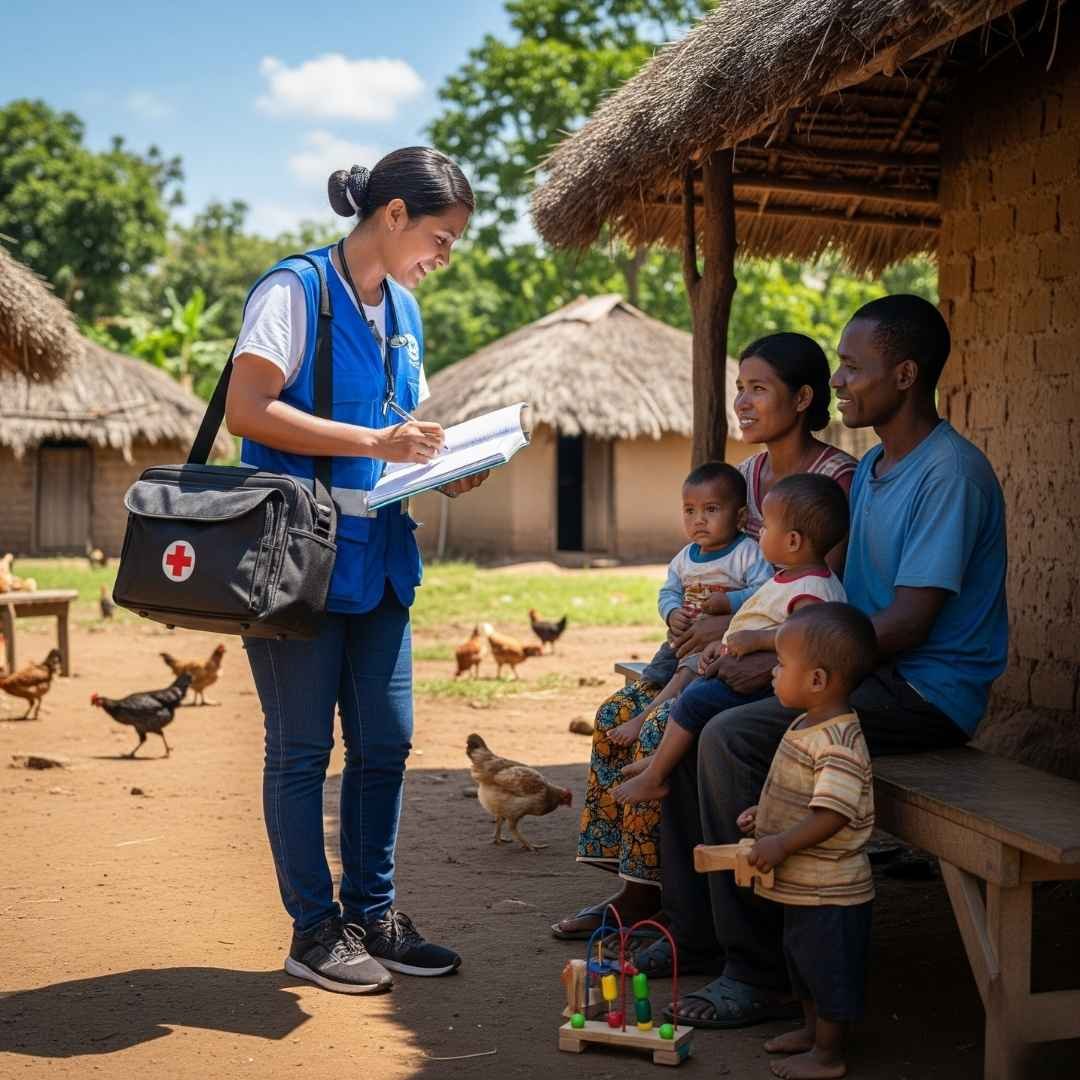
E) Personal Protection
1) Lack of personal protection:
Not using bed nets, insecticide-treated materials, repellents, or protective clothing during peak sandfly activity (evening-night) increases risk.
2) Gaps in vector control:
Limited or poorly targeted sandfly control, lack of residual spraying in peridomestic structures, and incomplete environmental management allow persistent high vector indices.
3) Delayed care-seeking:
Very rapid progression of disease (fatality often within 24–48 hours) means delays in recognizing encephalitis and accessing intensive supportive care indirectly amplify apparent impact in transmission foci.