

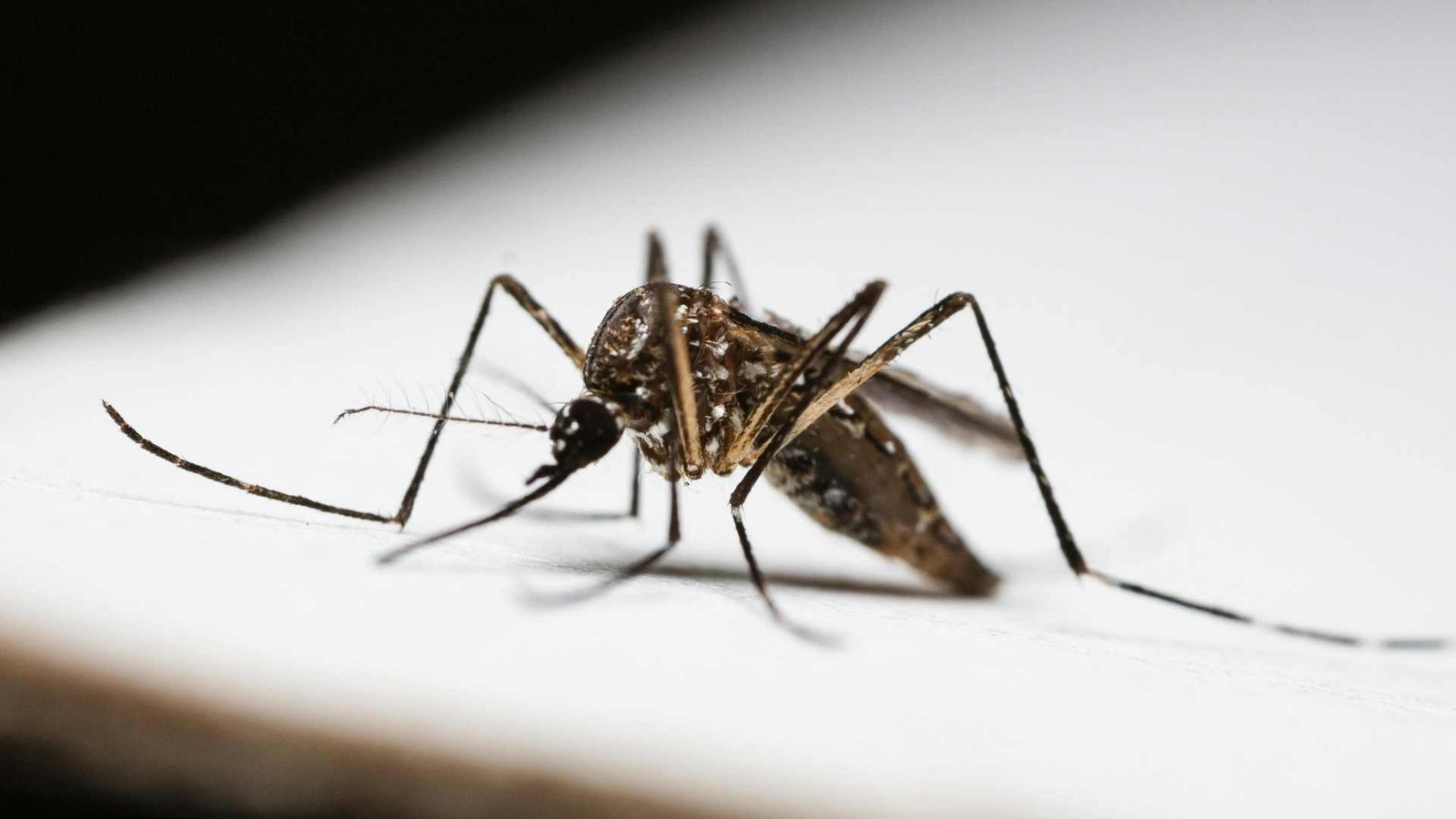
Prevention is better than cure. So vector control is the primary strategy for preventing dengue virus transmission, as there is currently no specific antiviral treatment and vaccination coverage remains limited in most endemic areas. The management of dengue hemorrhagic fever and shock syndrome is very difficult to avoid death. The main targets are Aedes aegypti & Aedes albopictus mosquitoes, which breed in domestic and peridomestic environments. This is the only method of choice. With early detection and proper case management and symptomatic treatment, mortality can be reduced substantially.
Some Key Points for Dengue Vector Control Measures
A) Source Reduction or Environmental Management
- Eliminate or manage water containers that serve as breeding sites, such as discarded tires, flower pots, water storage vessels, & roof gutters
- Promote proper water storage with tight lids & periodic cleaning of containers.
- Community involvement and behavior change are critical for sustained impact.
B) Chemical Larvicides
Application of larvicidal agents (e.g., temephos, pyriproxyfen, or BTI) in water bodies that cannot be eliminated or covered.
C) Biological Control
Introduction of larvivorous fish, e.g., guppy fish, or use of bio-insecticides such as Bti to control larval population in larger or permanent water sources.
D) Adult Mosquito Control
- Space-spraying (fogging) with adulticides during outbreaks to rapidly reduce adult mosquito populations.
- Indoor residual spraying (IRS) is less effective for Aedes mosquitoes due to their daytime biting habits and preference for resting on non-sprayed surfaces.
E) Personal Protection
Use of window & door screens mosquito repellents, protective clothing, and insecticide-treated nets (ITN) to reduce human-mosquito contact
F) Community Engagement
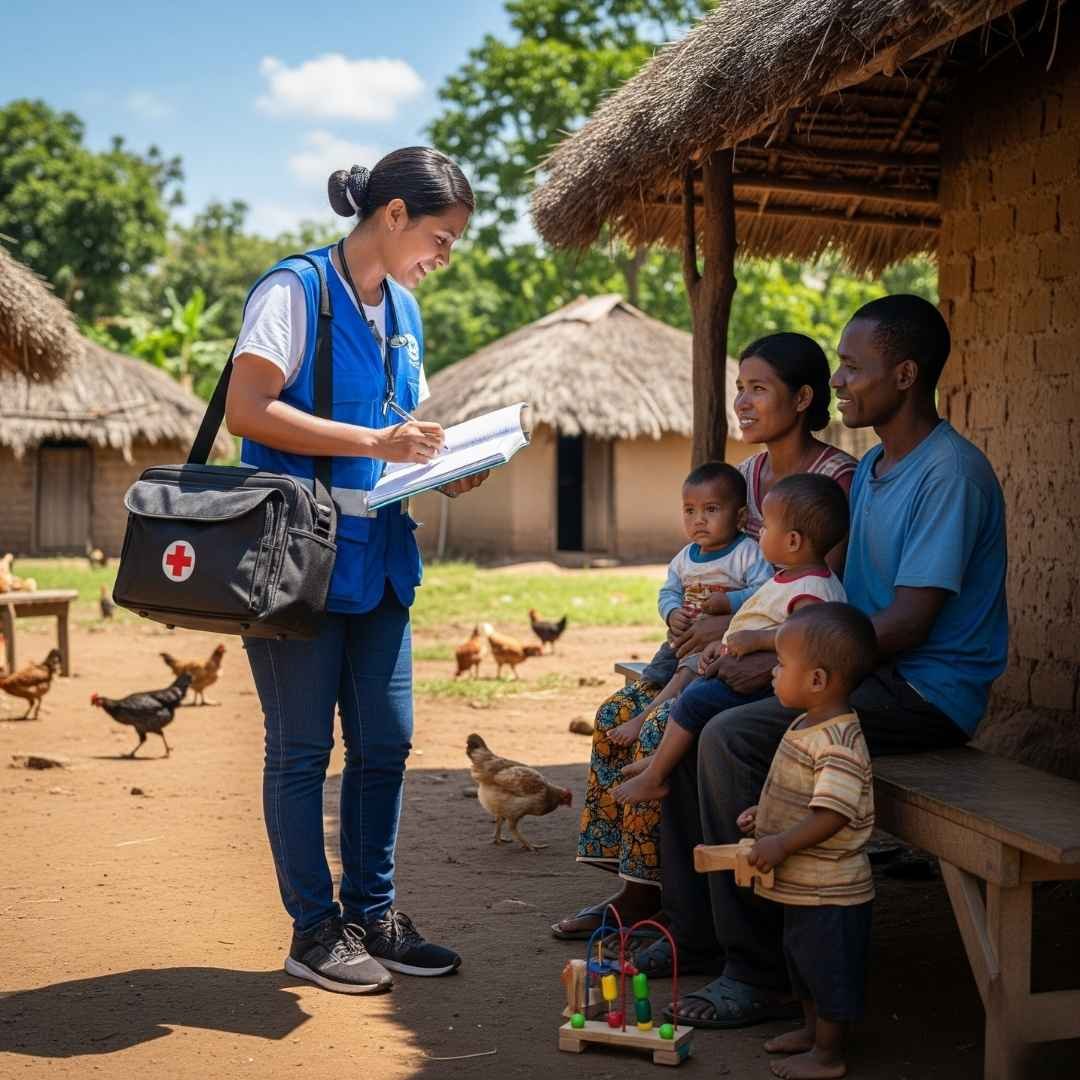
Mobilizing communities through health education, school campaigns, and local leaders’ participation & sustainability.
Surveillance
Surveillance and Monitoring
Regular surveillance of vector densities (larval & adult stages) and breeding indices such as HI, CI, and BI to target interventions and evaluate impact.
Calculation formulas and thresholds for House, Container, and Breteau indices
The house index, container index, & Breteau index are crucial entomological surveillance indicators for measuring Aedes mosquito breeding sites and evaluating dengue transmission risk. Each index focuses on a slightly different aspect of mosquito breeding grounds, and all are used by public health authorities to plan and monitor vector control strategies.
House Index (HI)
Definition
The percentage of houses infested with Aedes larvae or pupae.
Formula

Purpose
Indicates distribution of infested houses and assists in identifying neighborhoods at increased risk for dengue transmission.
Interpretation
High HI values suggest widespread breeding and risk, indicating an urgent need for household-level vector control.
Value
Normal value = less than 1% ——–> No Transmission
Medium Value = 1% to 9% —> Low risk of Transmission
High Value (Risk) = More than 10% —–> Problematic, high risk of transmission.
If HI is more than 10%, it indicates increased risk and the need for control measures.
Container Index (CI)
Definition
The percentage of water-holding containers infested with Aedes larvae or pupae.
Formula

Purpose
Helps identify specific types or locations of breeding containers and guides targeted interventions for source reduction.
Interpretation
A high CI signals poor container management and directs attention to environmental cleanup. and secure water storage.
Value
Normal value = less than 1% —> No Transmission
Medium Value = 1% to 9% —> Low risk of Transmission
High Value (Risk) = More than 10%—> Problematic, high risk of transmission.
Values more than 10% suggest elevated risk and warrant community intervention.
C) Breteau Index (BI)
Definition
The number of positive (Aedes) larvae- or pupae-infested containers per 100 houses inspected.
Formula

Purpose
Integrates information from both HI & CI and is widely used as a threshold indicator for dengue epidemic risk.
Interpretation
BI values above a certain threshold are associated with higher risk for dengue transmission & trigger intensified surveillance and control actions.
Value
Normal value = less than 10% ——–> No Transmission
Medium Value = 11% to 49% ——> Low risk of Transmission
High Value (Risk) = More than 50% —–> Problematic, high risk of transmission.
Values more than 50% suggest elevated risk and warrant community intervention.
Summary Table
| sr.no | Index | Formula | What it measures |
| 1 | Hi, | Positive Houses x100 Houses Inspected | % of houses with Aedes larvae or pupae |
| 2 | CI | Positive Containers x100 Containers Inspected | % Of Containers Infested |
| 3 | BI | Positive Containers x100 Houses Inspected | Number of positive containers per 100 houses. |