


Clinical Characteristics of CHPV and Lab Diagnosis.
Chandipura encephalitis virus is characterized by a rapid onset of symptoms and severe neurological involvement, especially in children. Key differentiable signs and symptoms include high-grade fever of short duration, severe headache, vomiting, altered sensorium, generalized convulsions, and decerebrate posture, leading to grade IV coma, acute encephalitis/encephalopathy, and death within a few hours to 48 hours of hospitalization. Cerebrospinal fluid is usually under pressure; pleocytosis and absent neurological sequelae are rare in recovered children.
Incubation Period: A few hours to 2 to 3 days from infection.
Clinical Spectrum of Chandipura Encephalitis Virus Infection
The full clinical spectrum is not clear. Preliminary data suggest the ranges to be from subclinical infection/mild to high-grade fever to acute encephalitis. CSF is usually under pressure, with pleocytosis absent.
Neurological Symptoms
Neurological Symptoms:
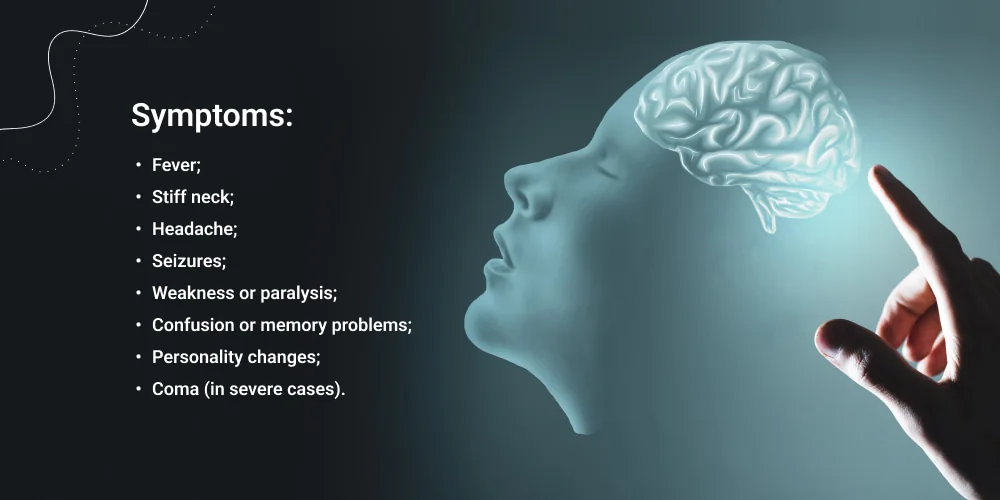
Rapid onset of altered consciousness, confusion, drowsiness, or loss of consciousness.
Seizures frequently develop and are most often seen in children.
Neck stiffness, meningeal irritation, and photophobia may be present.
Focal neurological deficits such as chronic nerve palsies, abnormal reflexes, and motor dysfunction can develop.
B) Severe Progression
Severe progression:
- Rapid progression from initial symptoms to coma can happen within 24–48 hours, leading to death in severe cases.
- In survivors, long-term complications may include refractory epilepsy and persistent hemiplegia.
C) Additional Manifestations
Additional Manifestation:
Some patients may experience rash, joint pain, changes in eye vision & hearing disturbances.
Laboratory Diagnosis
Lab diagnosis:
The following diagnostics have been developed by NIV and are being used for providing diagnoses for management and control of the diseases.
Diagnostic Methods
Virus isolation:
Cell culture, infant mice, embryonated eggs.
Antigen detection:
ELISA, IFA.
Genome detection:
PCR-G gene.
Serological tests:
IgM and IgG ELISA, HI, CF, and N tests.
Molecular Diagnosis
Molecular diagnosis:
Real-time reverse transcription polymerase chain reaction (RT-PCR) is the most sensitive and specific method, detecting viral RNA in clinical samples such as blood, cerebrospinal fluid (CSF), and throat swabs with high accuracy and rapid turnaround.
B) Serological Diagnosis
Serological diagnosis:
- IgM:
IgM ELISA detects anti-CHPV in serum or CSF, indicating recent infection.
C) Virus Isolation
Virus Isolation:
Conventional isolation in mice, embryonated eggs, or cell lines (e.g., Vero cells) confirms CHP virus but is time-consuming and requires biosafety level facilities.
Limitations of Serological Diagnosis
No serological assay is highly sensitive for acute CHP virus infection. The rapid progression of CHPV encephalitis limits IgM detection, as antibodies develop too late.
RT-PCR on CSF serum remains the gold standard for early detection with sensitivity down to 10–100 pfu/ml.
Serological Tests Limitation
Serological Tests Limitation:
IgM capture ELISA (monoclonal antibody-based) offers improved specificity over polyclonal versions but low acute-phase sensitivity.