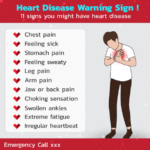



Cardiovascular diseases (CVDs) encompass disorders affecting the heart and blood vessels, often due to atherosclerosis or other structural issues.
Core Definition:-
CVDs include conditions like coronary artery disease, cerebrovascular disease, peripheral arterial disease, rheumatic heart disease, congenital heart disease, and deep vein thrombosis. They represent a leading global cause of death, linked to risk factors such as hypertension, smoking, and poor diet.
Major Types of Cardiovascular Diseases
Major Types:
Coronary heart disease:
Blocked arteries supplying the heart, leading to angina or heart attacks.
Cerebrovascular disease:
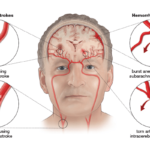
Impaired brain blood flow, causing strokes.
Heart failure and arrhythmias:
Impaired pumping or irregular rhythms.
Types of Cardiovascular Disease (CVDs)
Types:
Main types of cardiovascular disease (CVD) comprise a group of disorders affecting the heart and blood vessels, with several main types recognized globally.
Primary Types:
Coronary artery disease blocks heart blood flow, causing angina or heart attacks. Cerebrovascular disease impairs brain vessels, leading to strokes. Peripheral artery disease narrows limb arteries, causing pain during activity.
Additional Category:
Rheumatic heart disease damages valves from prior infections. Congenital heart disease involves structural birth defects. Aortic disease includes aneurysms that risk rupture.
Risk Factors Responsible for CVDs

Risk factors responsible for CVDs:
Major risk factors for CDVs include modifiable behaviors like smoking and poor diet, as well as non-modifiable ones like age and genetics.
1) Modifiable Risk Factors
These can be managed through lifestyle changes and medical interventions. High blood pressure damages arteries over time. Smoking promotes thrombosis and vessel narrowing, while physical inactivity and obesity contribute to dyslipidemia and hyperglycemia.
2) Non-Modifiable Risk Factors
Age increases risk as arteries stiffen naturally, with men often affected earlier than women. Family history and genetics, such as familial hypercholesterolemia, elevate susceptibility independently of lifestyle.
3) Other Contributors
Chronic conditions like diabetes and kidney dysfunction amplify CVD risk, alongside psychosocial stress and excessive alcohol use. In populations like those in India, factors such as urbanization and air pollution further heighten prevalence.
Hypertension and Cardiovascular Damage
4) Hypertension or High Blood Pressure
Hypertension, or high blood pressure, forces the heart to work harder to pump blood against increased resistance in the arteries.
5) Heart Muscle Changes
The extra strain causes the left ventricle to thicken in a process called left ventricular hypertrophy, initially helping maintain blood flow but eventually making the heart less efficient and prone to failure. Over time, this weakened muscle struggles to pump effectively, leading to heart failure.
6) Artery Damage
Hypertension damages artery walls, creating tears where cholesterol and fats form plaques in atherosclerosis, narrowing vessels and reducing blood flow to the heart. This promotes coronary artery disease, chest pain (angina), or complete blockages causing heart attacks.
7) Vicious Cycle
Narrowed arteries raise pressure further, amplifying heart strains and increasing risks of arrhythmias, sudden cardiac death, or aneurysms.
Specific Damage Caused by Hypertension to Arteries
Specific Damage Caused by Hypertension to Arteries: –
Hypertension, or high blood pressure, inflicts progressive harm on arteries through mechanical stress and biological changes, here explained step by step:
Endothelial dysfunction:
Constant high pressure injures the inner lining (endothelium) of arteries, reducing nitric oxide production. This impairs vasodilation, promotes inflammation, and allows inflammatory cells to infiltrate the wall like a scratched pipe surface that rusts faster.
Atherosclerotic plaque buildup:
Damaged endothelium attracts cholesterol, fats, and immune cells, forming plaques. These narrow the artery lumen (atherosclerosis), restricting blood flow. For example, coronary arteries can develop blockages leading to heart attacks.
Arterial wall thickening and stiffening:
Smooth muscle cells in the media layer thicken (hypertrophy) and deposit collagen, making arteries rigid. This raises systolic pressure further, creating a vicious cycle—think of arteries turning from flexible hoses into stiff tubes.
Aneurysm formation:-
Weakened walls, especially in the aorta, can balloon out (aneurysms) due to relentless pressure. Rupture risks stroke or sudden death.
Microvascular rarefaction:
Small arteries lose branches, reducing tissue perfusion and oxygen delivery, which contributes to organ damage in kidneys, brain, and eyes.
These changes accelerate with the duration and severity of hypertension: systolic pressure above 140 mmHg significantly worsens outcomes. Control via lifestyle and meds (e.g., ACE inhibitors) halts progression.
Left Ventricular Hypertrophy Caused by Hypertension
Left Ventricular Hypertrophy Caused by Hypertension:
High blood pressure increases the workload on the left ventricle, promoting compensatory muscle thickening known as left ventricular hypertrophy (LVH). Hypertrophy is the enlargement of an organ or tissue due to an increase in the size of its cells.
Types
Physiologic Hypertrophy:-
Adaptive and beneficial, like muscle growth from resistance training.
Pathologic Hypertrophy:
Harmful responses to stress, such as left ventricular hypertrophy from chronic high blood pressure, impair function over time.
Causes
Triggered by increased workload, hormones, or genetics, heart hypertrophy often links to hypertension as cells thicken to handle pressure.