

Overview of Japanese Encephalitis Virus Life Cycle
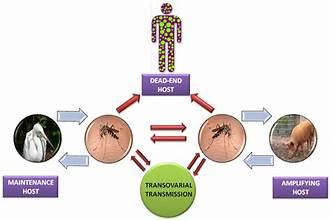
The life cycle of Japanese encephalitis virus (JEV) follows a zoonotic transmission cycle primarily involving mosquitoes as vectors, amplifying hosts like pigs, and reservoir hosts such as wading birds. Humans are the incidental dead-end hosts due to low viremia levels insufficient for mosquito transmission.
Key Components of the Life Cycle of Japanese Encephalitis Virus
1) Vector
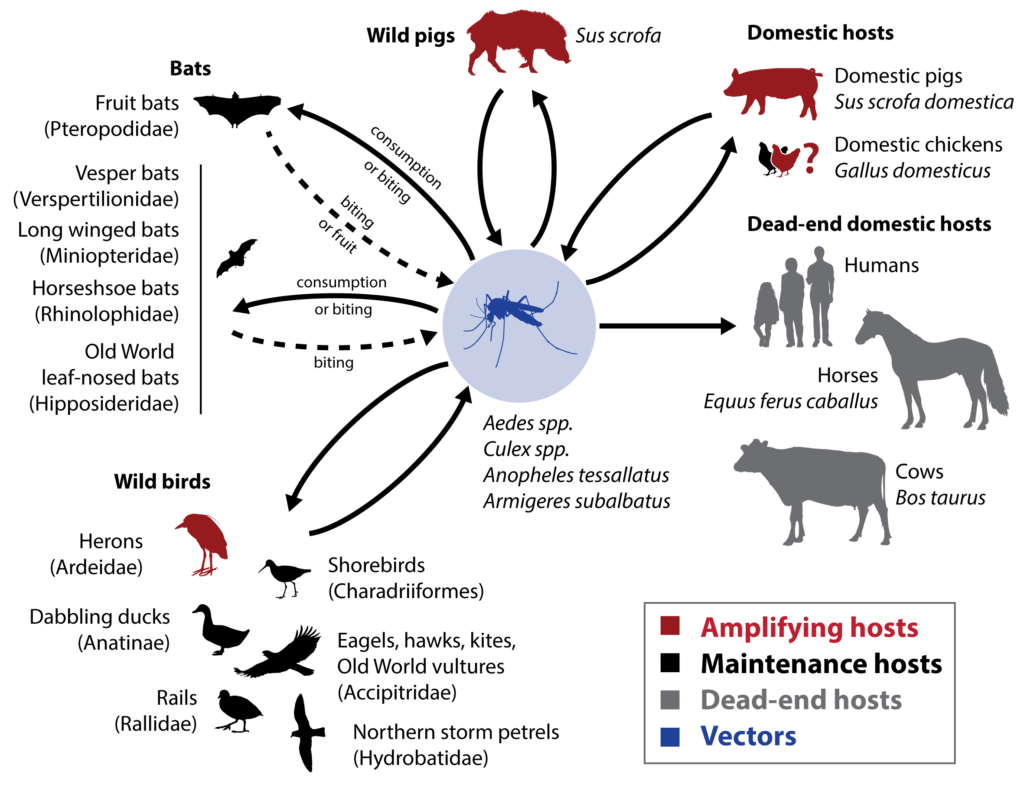
Infected Culex Vishnui group mosquitoes bite amplifying hosts like pigs or reservoirs, i.e., maintenance hosts such as wild birds (herons and egrets) and domestic chickens, acquire the virus, and transmit it during blood meals.
2) Amplifying Hosts
Pigs, especially domestic swine, are key amplifying hosts that boost virus levels during outbreaks. They develop high, prolonged viremia, enabling efficient mosquito infection, particularly near rice fields or farms.
3) Maintenance Hosts or Reservoir Hosts
Wild wading birds (Ardeidae family), such as cattle egrets and pond herons, act as primary natural reservoirs. These birds maintain the virus silently in enzootic cycles, producing sufficient viremia for mosquito infection without clinical disease.
4) Dead-End Hosts
Humans and horses are the dead-end hosts, as they do not produce sufficient viremia to transmit the virus onward. Humans get infected through bites from infected Culex Vishnui group mosquitoes near pig farms or rice fields; incubation is 5 to 15 days, leading to viremia, reticuloendothelial spread, and CNS invasion. No human-to-human or human-to-mosquito transmission occurs.
5) Other Hosts
Wild boars, ducks, chickens, and potentially flying foxes or dogs can contribute regionally but produce lower viremia as dead-end or minor hosts. No human-to-mosquito transmission occurs.
Viral Amplification and Mosquito Transmission
Thus mosquitoes feed on viremic pigs or birds, and the virus replicates in the mosquito midgut over 8 to 12 days (intrinsic period). Then transmits to new hosts via bytes. In pigs, two amplification cycles occur: initial mosquito-to-pig (20% infection), then pig-to-mosquito-to-pig (up to 100% seroconversion). Vector-free pig-to-pig contact transmission through the oronasal route also exists.
Transmission Method
Stages of Japanese Encephalitis Virus Transmission
The life cycle of Japanese encephalitis virus (JEV) involves both mosquito vectors and vertebrate hosts and can be summarized in the following stages:
Transmission by Mosquito
Japanese encephalitis is primarily transmitted to vertebrate hosts like pigs, birds, and occasionally humans through the bite of infected Culex vishnui group mosquitoes.
Virus Entry and Replication in Host Cells
After a mosquito bite, JEV targets various susceptible host cells such as pericytes, fibroblasts, endothelial cells, dendritic cells, macrophages, and myeloid cells at the site of infection. The viral envelope protein (E protein) binds to host cell receptors, leading to internalization by clathrin-mediated endocytosis or apoptotic mimicry. The virus then fuses with the endosomal membrane to release its positive-sense RNA genome into the cytoplasm.
Translation and Genome Replication
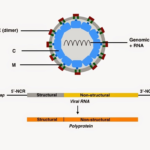
The viral RNA is translated into a single polyprotein, which is cleaved into structural and nonstructural proteins. Nonstructural proteins form the replication complex, which replicates the viral RNA in association with endoplasmic reticulum (ER) membranes.
Assembly and Maturation
New viral particles assemble in the ER lumen as immature virions containing the prM protein; these move through the Golgi apparatus. Acidification in the Golgi triggers cleavage of prM to M protein by host furin protease, a maturation step essential for infectivity.
Release
Mature infectious virions are transported to the host cell surface and released by exocytosis.
Spread within the Host
Following replication at the primary site, JEV spreads to the central nervous system by crossing the blood-brain barrier, infecting neurons, astrocytes, and microglial cells, resulting in encephalitis.
Transmission Cycle in Nature
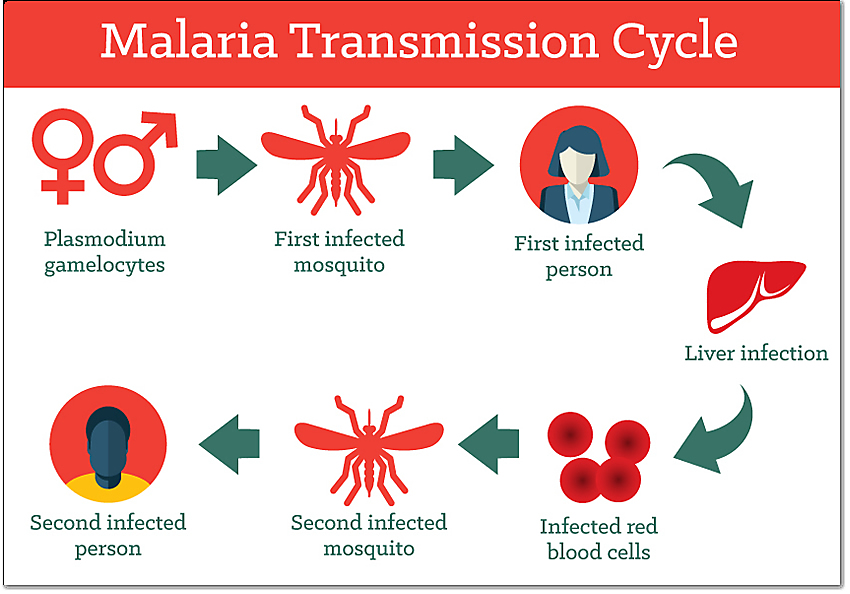
In nature, birds and pigs serve as reservoir and amplifying hosts, with infected mosquitoes transmitting the virus between these animals. Humans and horses are the dead-end hosts, as they do not produce sufficient viremia to transmit the virus onward.
Summary of the JEV Life Cycle
The JEV life cycle involves virus uptake by the mosquitoes feeding on infected animals, replication in mosquito midgut cells, dissemination to salivary glands, and transmission to vertebrate hosts, where the virus replicates, spreads to the CNS, and is again picked up by feeding mosquitoes, continuing the cycle.