
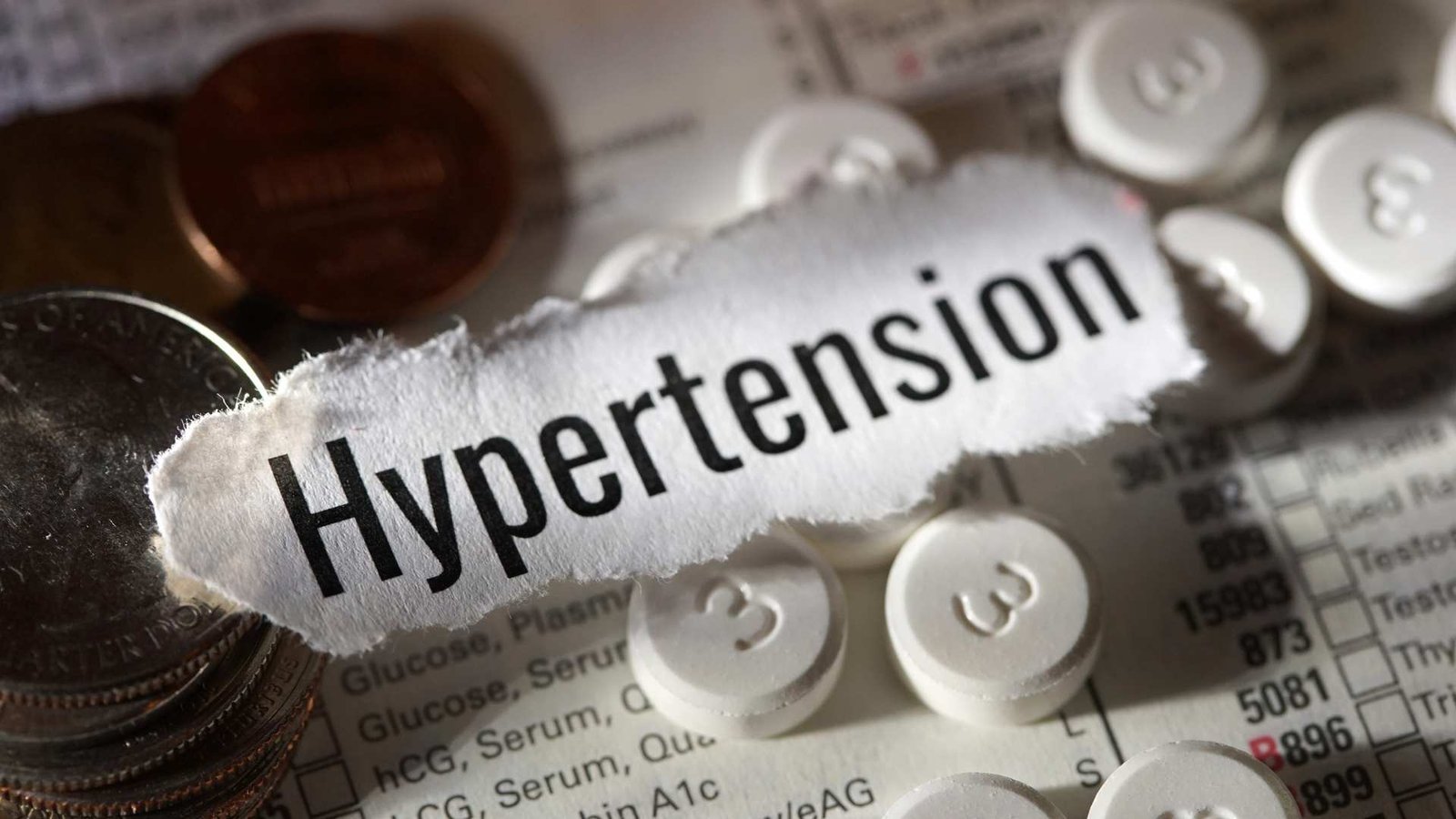
Hypertension, or high blood pressure, is a medical condition characterized by persistently elevated pressure in the arteries. It is typically defined as a systolic blood pressure ≥140 mmHg and/or diastolic blood pressure ≥90 mmHg.
It results from the force of blood pushing against the wall of blood vessels as the heart pumps blood. Hypertension makes the heart work harder and can damage blood vessels, increasing the risk of heart disease, stroke, kidney failure, and other serious health conditions. It is often called a “silent killer” because many people show no symptoms but may develop complications if untreated.
Types of High Blood Pressure
High blood pressure is of two main types:
- Primary (Essential) Hypertension: This type has no specific identifiable cause and accounts for about 90 to 95% of cases. Lifestyle factors are associated with this form of hypertension.
- Secondary Hypertension: This is caused by some other identifiable medical conditions. Examples include:
- Kidney diseases (e.g., chronic renal disease)
- Renovascular disease
- Hyperthyroidism
- Cushing’s syndrome
- Pheochromocytoma
- Sleep disorders and endocrine disorders
- Use of certain medications
Secondary hypertension is seen only in very few individuals in the community. Some of these causes are often curable, and many others are treatable.
Criteria for Diagnosing High Blood Pressure
The classification of blood pressure below is for adults aged 18 and older. The classification is based on consistent elevation during two or more properly measured BP readings in a sitting position.
| Category | Systolic (mmHg) | Diastolic (mmHg) |
| Normal | Less than 120 | Less than 80 |
| Pre-hypertension | 120 to 139 | 80 to 89 |
| High Blood Pressure—Stage 1 | 140 to 159 | 90 to 99 |
| High Blood Pressure—Stage 2 | 160 or higher | 100 or higher |
Symptoms of High Blood Pressure
High blood pressure often has no noticeable symptoms, which is why it is called the “silent killer.”
However, in some cases, the following signs and symptoms may occur, especially when blood pressure reaches severe levels:
- Headaches: Often described as severe or lingering headaches.
- Dizziness or Lightheadedness: Feeling faint or unsteady, which can occur due to inadequate blood flow to the brain.
- Blurred or Double Vision: Changes in vision can result from damage to the small blood vessels in the eyes.
- Nosebleeds: Spontaneous nosebleeds may occur due to the rupture of delicate nasal vessels under strain.
- Chest Pain or Discomfort: Similar to angina, caused by increased workload on the heart.
- Shortness of Breath: Difficulty breathing, which can indicate severe hypertension affecting the lungs or heart.
- Nausea and Vomiting: Less common, but can happen in hypertensive emergencies.
- Eye Problems: Damage to the blood vessels in the retina may lead to vision loss.
- Facial Flushing: Sudden dilation of facial blood vessels, though not specific to hypertension.
- Sudden Severe Headache or Neurological Symptoms: Such as confusion, numbness, weakness, or a change in vision.
Management of High Blood Pressure
The management of high blood pressure involves the following steps:
Lifestyle Modifications
- Diet: Eat a healthy, low-salt diet rich in fruits, vegetables, whole grains, low-fat dairy, and lean protein (the DASH diet).
- Sodium: Limit sodium intake to ideally less than 1500 mg to 2300 mg per day.
- Weight: Achieve and maintain a healthy weight; losing even a small amount of weight lowers blood pressure.
- Physical Activity: Engage in regular physical activity.
- Alcohol: Limit alcohol consumption to a maximum of one drink per day for women and two for men.
- Tobacco: Avoid tobacco and smoking.
- Stress Management: Manage stress through relaxation techniques, mindfulness, and adequate sleep.
Monitoring: Monitor blood pressure regularly.
Medication
If lifestyle changes are insufficient, doctors may prescribe antihypertensive medications:
- ACE Inhibitors: Medications that relax blood vessels and protect kidneys.
- Angiotensin II Receptor Blockers (ARBs): Medications that also relax vessels.
- Calcium Channel Blockers: Such as amlodipine, which relaxes blood vessel muscles.
- Diuretics: Medications that reduce body fluid volume.
Beta-blockers: Prescribed depending on the individual’s health condition.