




The ancient history of dengue fever dates back many centuries:
- The first recorded symptoms of dengue fever were documented in a Chinese medical encyclopedia during 200–400 AD. This disease was referred to as “water poison” and was associated with flying insects such as mosquitoes.
- Epidemics resembling dengue fever occurred in the West Indies in 1635 and Central America in 1699.
- In the 18th century, major outbreaks were recorded in Philadelphia in 1780. Around that time, the disease was called “break-bone fever” due to the severe joint and muscle pain. Some physicians also referred to it as “bilious remitting fever.”
- The term “dengue” comes from the Kiswahili word “dinga” or “denga,” meaning a cramp-like seizure and pain during illness.
- This word entered Spanish as “dengue,” influenced by the stiff, dandy-like posture of patients, which led to the term “dandy fever.”
- In the 19th century, dengue spread via shipping routes, particularly carried by the mosquito vector Aedes aegypti.
- The spread increased during and after World War II due to urbanization and troop movements, leading to the circulation of multiple virus serotypes and the emergence of severe forms of dengue, particularly in South Asia.
Origins of Dengue Virus and Early Animal Hosts
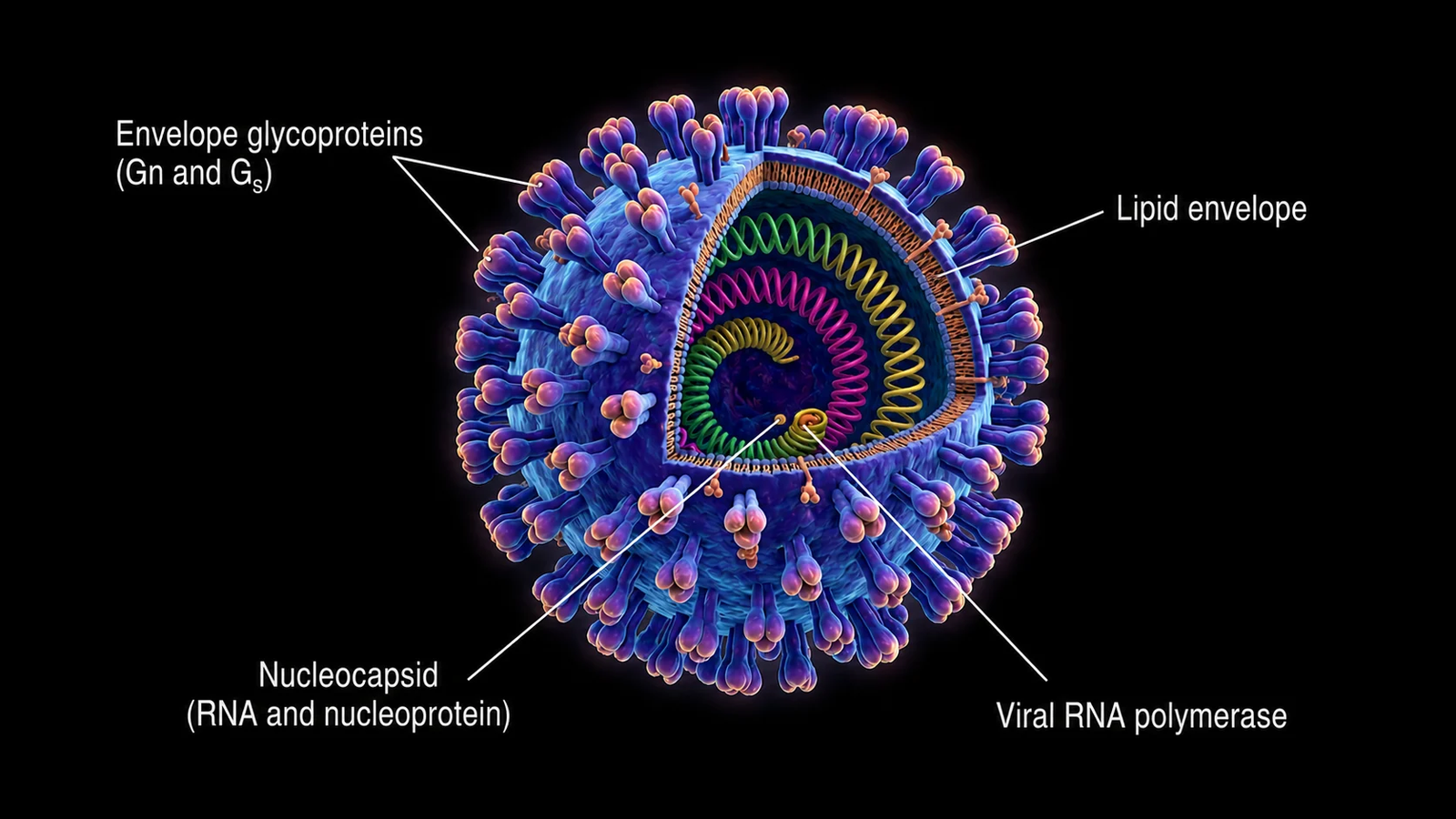
The dengue virus (DENV) originated from ancestral sylvatic viruses circulating in non-human primates in Africa and Southeast Asia. Genetic studies suggest that the four serotypes of dengue virus (DEN-1, DEN-2, DEN-3, and DEN-4) independently evolved from these sylvatic strains over the past 500 to 1000 years.
Early Animal Hosts
The sylvatic cycles served as early natural reservoirs of the virus before it adapted to human hosts. Non-human primates, such as monkeys, acted as efficient amplification hosts for dengue in these enzootic cycles. Studies show that dengue infection also occurs in other animals such as rodents, marsupials, birds, bats, pigs, and horses. However, the primary early animal hosts were non-human primates.
Humans are now the main reservoir sustaining urban epidemic cycles via transmission by Aedes aegypti and Aedes albopictus mosquitoes.
Thus, early dengue virus hosts were mainly monkeys living in forest environments, from which the virus spilled over to human populations. Old World monkeys such as macaques, leaf monkeys, African green monkeys, baboons, and orangutans show serological evidence of dengue virus exposure and have been implicated as amplification hosts in sylvatic cycles.
How Dengue Vectors Expanded from Historic Shipping Routes
The expansion of dengue vectors Aedes aegypti and Aedes albopictus from their historic native ranges to a global distribution was largely facilitated by historic shipping routes, particularly during the age of maritime trade and colonial expansion.