





Overview of India’s MDA Program for Lymphatic Filariasis
- The Mass Drug Administration (MDA) program for the elimination of lymphatic filariasis (LF) in India officially started in 2004.
- The program initially covered 202 districts in the country and gradually expanded to all known endemic districts in India.
- The initial strategy, starting in 2004, was the annual administration of a single dose of diethylcarbamazine citrate (DEC).
- The MDA program began with the single-drug dose (DEC) as a national approach in 2004.
- The double-drug regimen, which includes both DEC and albendazole, was introduced in 2007.
- Triple-drug therapy (Ivermectin, Diethylcarbamazine citrate, and Albendazole—IDA) was first introduced in the MDA program in India in 2018 as a pilot in five selected districts.
- The five districts where the triple-drug therapy (IDA) was first piloted in 2018 are Arwal in Bihar, Simdega in Jharkhand, Nagpur in Maharashtra, Varanasi in UP, and Yadgir in Karnataka.
- The IDA implementation began in December 2018 and was completed in these districts by November 2019.
- The second round of IDA was conducted subsequently, with improved coverage in most districts by 2020.
- As of December 2023:
- The IDA (triple-drug therapy)-based MDA program in India was implemented in 63 lymphatic filariasis endemic districts.
- 107 districts are continuing with double-drug therapy.
- Single-drug therapy is ongoing in 174 districts across approximately 20 states in India.
- 138 districts have stopped MDA after clearing transmission assessment or impact surveys.
- India’s commitment is to eliminate lymphatic filariasis by the target year 2027.
Goals and Objectives of MDA
- Goal
To eliminate lymphatic filariasis from India by the year 2027. - Objectives
- To reduce and eliminate the transmission of LF by mass drug administration of DEC.
- To reduce and prevent morbidity in affected persons.
- To strengthen the existing health care services.
Basic Principle of the Strategy for Single-Dose Mass DEC Administration
The basic principle is twofold:
- Interruption of disease transmission.
- Treatment of problems associated with lymphedema.
- Controlling filaria parasites (microfilaria, or mf) with DEC is often relatively cheap compared with vector control.
- DEC is a safe and effective drug for human lymphatic filariasis.
- In filariasis, the life cycle of the parasite is relatively long.
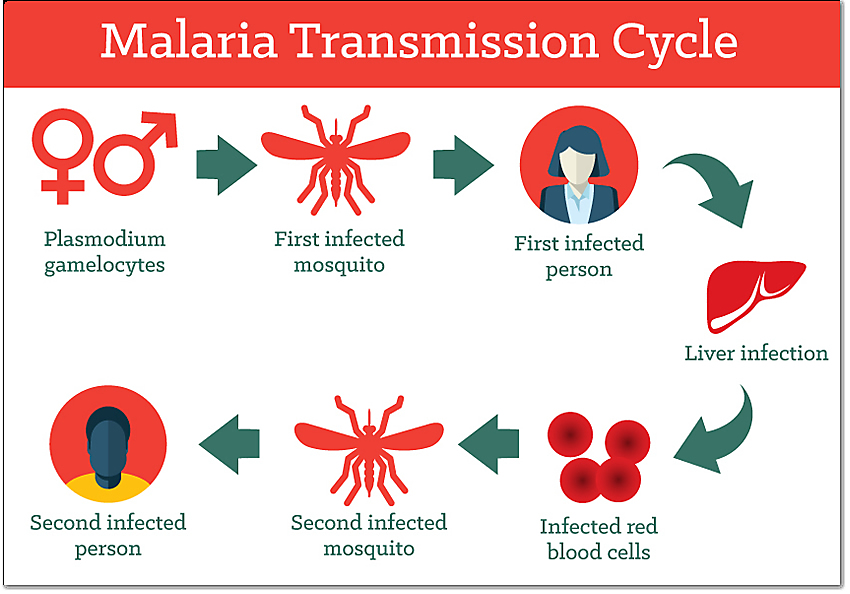
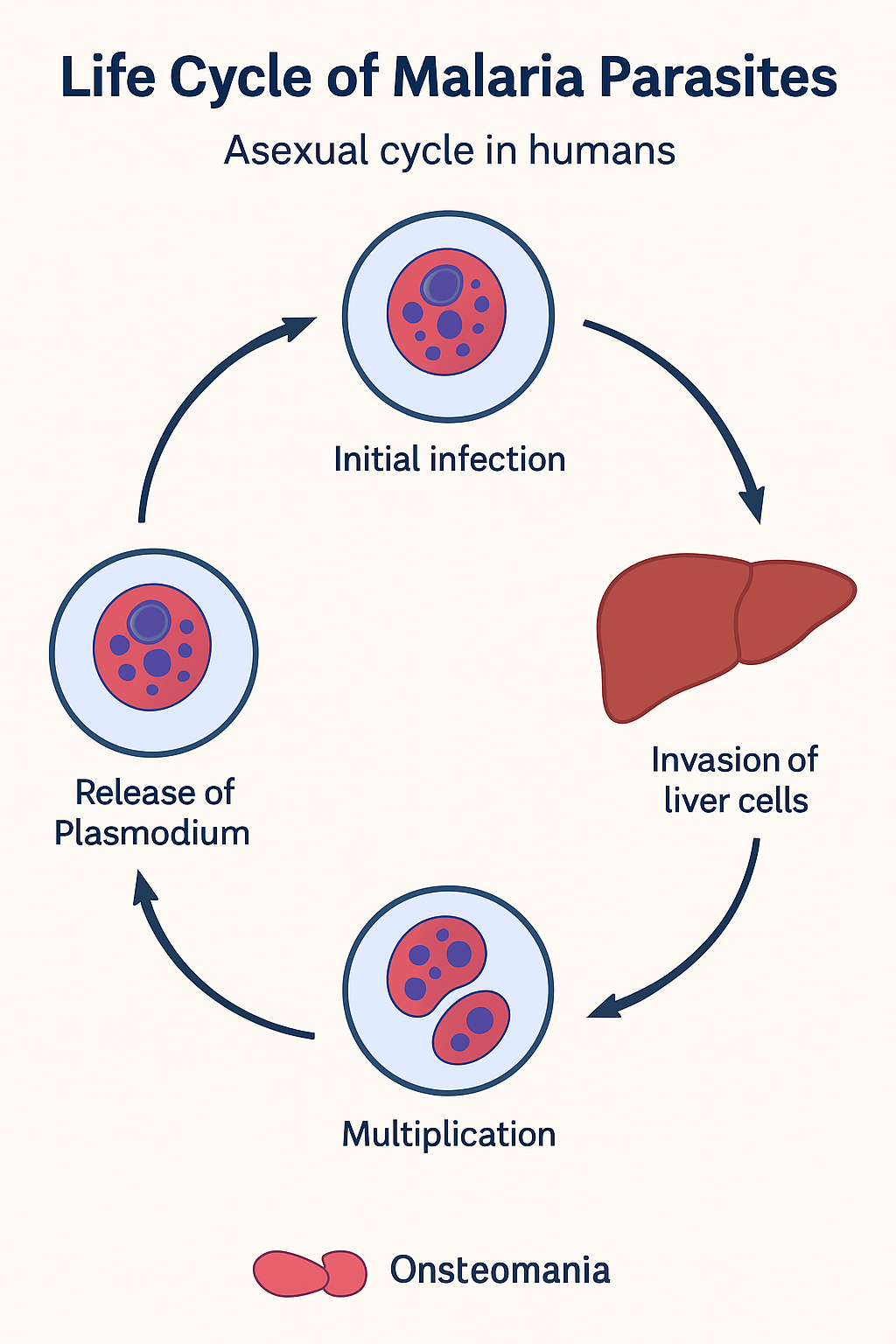
- Unlike the malaria parasite, the filaria parasite does not multiply in the mosquito vector.
- The infective larvae (L-3 stage) transmitted by the mosquito do not multiply in the human host.
- Prolonged exposure is required to develop patent infection in man. The incubation interval is six months or a year or more.
- Therefore, the parasite never causes epidemics.
Mass Drug Administration with DEC Single Dose Annually
In 2004, the international task force recommended that in mass treatment, DEC be given to almost everyone in the community irrespective of whether they have microfilaremia or not, disease manifestation, or no signs of infection in the area of high endemicity.
Exceptions to treatment include:
- Children under 2 years.
- Pregnant women.
- Very sick patients.
This approach is based on the idea that everyone may be considered to be more or less equally exposed to the infective bites of the vector, and current methods are not sufficiently sensitive to diagnose pre-patent or subclinical infection.
Advantages of the Single-Dose Mass Therapy of DEC Administration
- It avoids the cost of a mass night blood examinations program before treatment and eliminates the issue of carriers with false negative results.
- All members of the community receive treatment, nobody feels left out, and compliance is therefore enhanced.
- It is as effective as 12-day therapy for public health measures.
- It has fewer side effects, thus enhancing public compliance.
- It involves decreased delivery cost.
- It does not require complex management infrastructure.
- It can be integrated into the existing primary health care system for delivery and compliance.
- Annual single-dose mass treatment in combination with other techniques has either eliminated or markedly reduced the transmission of lymphatic filariasis in some countries.
Side Effects of DEC
DEC is a safe drug that has been used in India for more than 50 years. However, DEC may produce side reactions in a small proportion of the population, especially among those harboring the infection (microfilaria in circulating blood) who are usually asymptomatic. The drug reactions may be of two kinds:
1. Those due to the drug itself (Pharmacological Toxicity)
- Symptoms: Headache, anorexia, nausea, abdominal pain, vomiting, dizziness, weakness, or lethargy.
- These symptoms begin within 1-2 hours of taking the drug and persist for a few hours.
2. Those due to allergic reaction (Attributable to Filaricidal Action)
These reactions are due to the destruction of microfilaria (mf) and adult worms. They can be divided into two groups
A. Systemic Reactions (Fever and Systemic):
- Symptoms: Fever, headache, aches in parts of the body, pain in the joints, dizziness, anorexia, malaise, transient hematuria, allergic reaction, and sometimes attacks of bronchial asthma.
- They may occur a few hours after the administration of DEC tablets and generally do not last more than 3 days.
- Fever and systemic reactions tend to be common and more severe in those with a higher microfilarial density in the bloodstream.
- Systemic reactions to DEC tablets eventually cease spontaneously, and interruption of treatment is rarely necessary.
- Symptomatic treatment of the reaction with antipyretics or analgesics may be helpful.
B. Local Reactions (Fever and Local)
- Symptoms: Local inflammation around dead worms, pruritus, lymphadenitis, abscess, ulceration, and hydrocele (in decreasing frequency) and in varying combinations.
- Local reactions are more likely to occur with a history of filarial adenolymphangitis.
- They are probably related to the presence of adult or immature worms in the tissue.
- They also disappear spontaneously with or without symptomatic treatment.