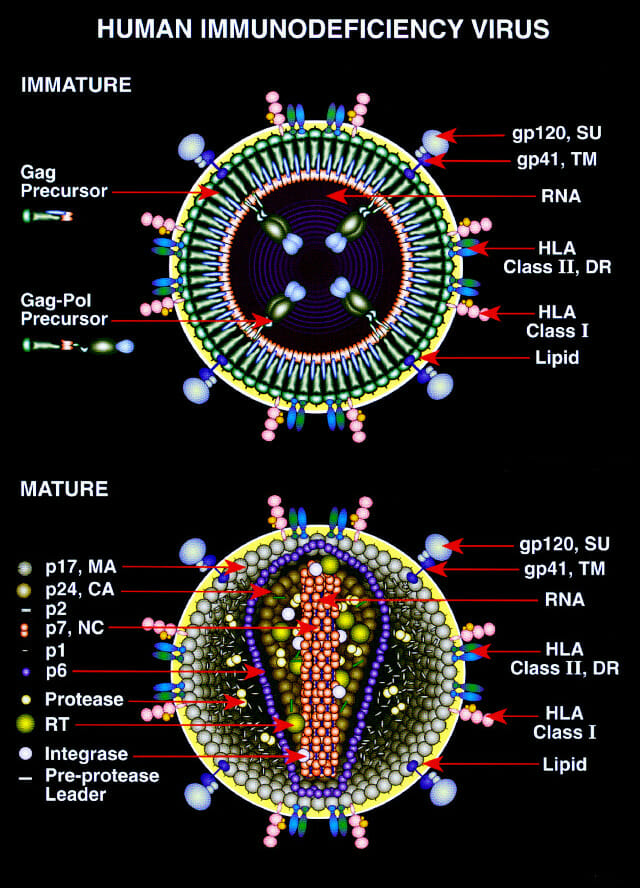

Sexually Transmitted Infections (STIs), also known as Sexually Transmitted Diseases (STDs), are infections primarily spread through sexual contact, including vaginal, anal, or oral sex. They are caused by bacteria, viruses, or parasites and can often be asymptomatic initially, leading to complications like infertility or increased HIV risk if untreated.
What Causes Sexually Transmitted Infections?
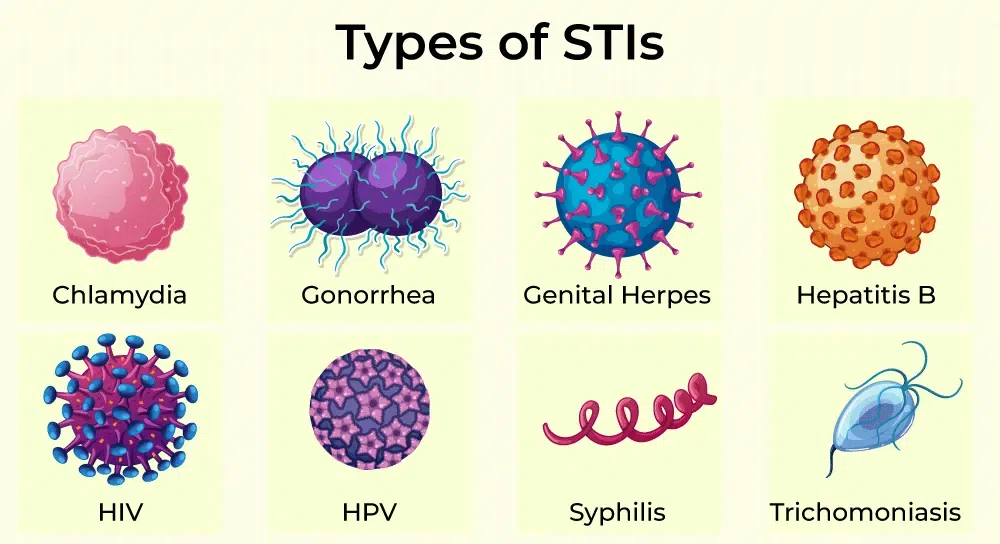
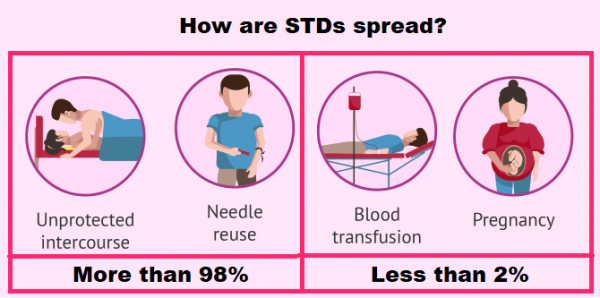
STIs transmit via bodily fluids such as semen, vaginal secretions, and blood during unprotected sex or from mother to child during pregnancy/birth. Non-sexual spread occurs via shared needles or blood transfusions. Key pathogens include bacteria (e.g., chlamydia), viruses (e.g., herpes and HPV), and parasites (e.g., trichomoniasis).
What Are the Main Types of STIs?
1) Chlamydia
Bacterial, often asymptomatic but causes discharge, painful urination, or pelvic pain. Treatable with antibiotics like azithromycin.
2) Gonorrhea
Bacterial; symptoms include thick discharge and burning during urination. Antibiotics cure it, but resistance is rising.
3) Syphilis
Bacterial; progresses in stages with sores, rash, then organ damage if untreated. Penicillin is the standard cure.
4) Herpes (HSV)
Viral: causes painful blisters or sores. Antivirals like acyclovir manage outbreaks but don’t cure.
5) HPV
Viral; leads to warts or cancer risks like cervical and anal. Vaccines prevent major strains; warts are treated topically.
Key Differentiation
| Type | Example | Nature |
|---|---|---|
| Bacterial | Chlamydia, Gonorrhea, Syphilis | Curable with antibiotics |
| Viral | Herpes, (HSV), HPV, HIV | Managed, not cured |
| Parasitic | Trichomoniasis | Curable with medication |
What Are the Common Symptoms of an STI?
Signs vary but include genital sores, blisters/ulcers, unusual discharge (vaginal/penile), painful urination/sex, itching, rashes, swollen lymph nodes, lower abdominal pain, or fever. Many people have no symptoms, especially early on, so regular testing is key.
What Are the Potential Complications of Untreated STIs?
Untreated STIs can lead to severe complications and lifelong health issues, particularly affecting reproductive, neurological, and immune systems. These risks are higher in women but impact all genders, often emerging years after initial infection.
Reproductive Complications
Chlamydia and gonorrhea frequently cause pelvic inflammatory disease (PID), leading to scarring of fallopian tubes, infertility (in 10% to 15% of cases), and ectopic pregnancies. Syphilis and herpes increase miscarriage, stillbirth, or congenital defects if transmitted from mother to child.
Oncogenic Effects
HPV high-risk strains cause cervical, anal, throat, penile, and other cancers; hepatitis B leads to liver cirrhosis and cancer (1.1 million deaths in 2022).
Neurological and Systemic Damage
Syphilis progresses to neurosyphilis (headaches, paralysis, blindness, and dementia) or the tertiary stage, harming the heart, brain, and organs. Untreated HIV advances to AIDS, causing opportunistic infections, wasting, neurological decline, and early death. All STIs heighten HIV acquisition risk; men face infertility, prostate issues or cancer, chronic pain, fatigue, and recurrent outbreaks (e.g., herpes and warts are common), and early screening and treatment mitigate most risks.
How Are STIs Diagnosed?
Diagnosis starts with medical history and physical exams. Methods include lab tests like nucleic acid amplification (NAAT) for chlamydia, blood tests for gonorrhea and syphilis and HIV, swabs for discharge culture, Pap smears for HPV, or visual inspection for warts and sores. Rapid tests enable quick results.
What Are Effective Prevention Measures Against STIs?
Use condoms and dental dams consistently, get vaccinated for HPV and hepatitis B, limit partners, avoid sharing needles, and test routinely—especially with new partners. Pre-exposure prophylaxis (PrEP) prevents HIV.
What Public Health Control Measures Curb STI Transmission?
Partner notification and treatment (expedited partner therapy), contact tracing, screening high-risk groups (e.g., pregnant women), and safe sex promotion curb spread.
How Are Different STIs Treated?
Bacterial and parasitic STIs are cured with antibiotics, e.g., azithromycin for chlamydia and penicillin for syphilis. Viral ones use antivirals, e.g., acyclovir for herpes and antiretrovirals for HIV, only for symptom control. Follow-up tests ensure clearance; resistance, e.g., gonorrhea, is a concern.
Public Awareness
Campaigns educate on risks, stigma reduction, and early testing via media, schools, and apps. WHO emphasizes “get tested, treat early” messaging.
Community Engagement & Outreach
Involves peer educators, support groups, youth programs, and faith-based initiatives to promote testing and treatment and challenge myths.
The Strategic Role of IEC Materials
Information, education, and communication tools include posters, brochures, videos, and apps on safe sex, symptoms, and services—often in local languages for accessibility.
What Is the Role of the Public Health Department?
Provides free testing, treatment clinics, surveillance, vaccination drives, awareness campaigns, partner notification, and policy advocacy. In India, NACO leads HIV/STI programs with counseling and condom distribution.